Atlas guides
Guides
Featured reading above; browse the full atlas by topic below.
Most read
Grades
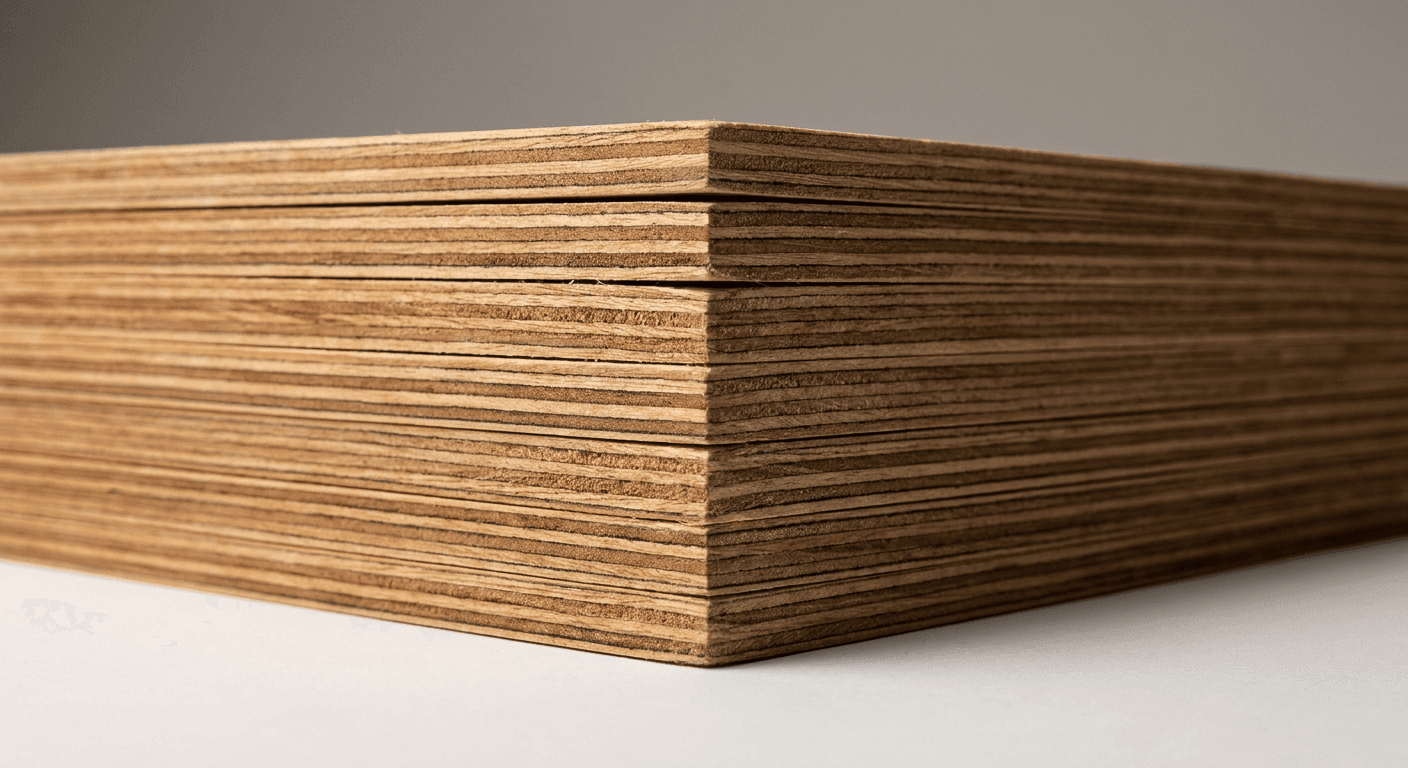
Plywood Standards Cross-Reference Matrix (EN, BS, IS, JAS, AS/NZS, ASTM)
A side-by-side reference that lines up plywood bond, durability and formaldehyde classes across EN, BS 1088, IS 710/303, JAS, AS/NZS and US PS 1, so a foreign spec can be translated into what a Vietnamese mill can build and certify.
Import
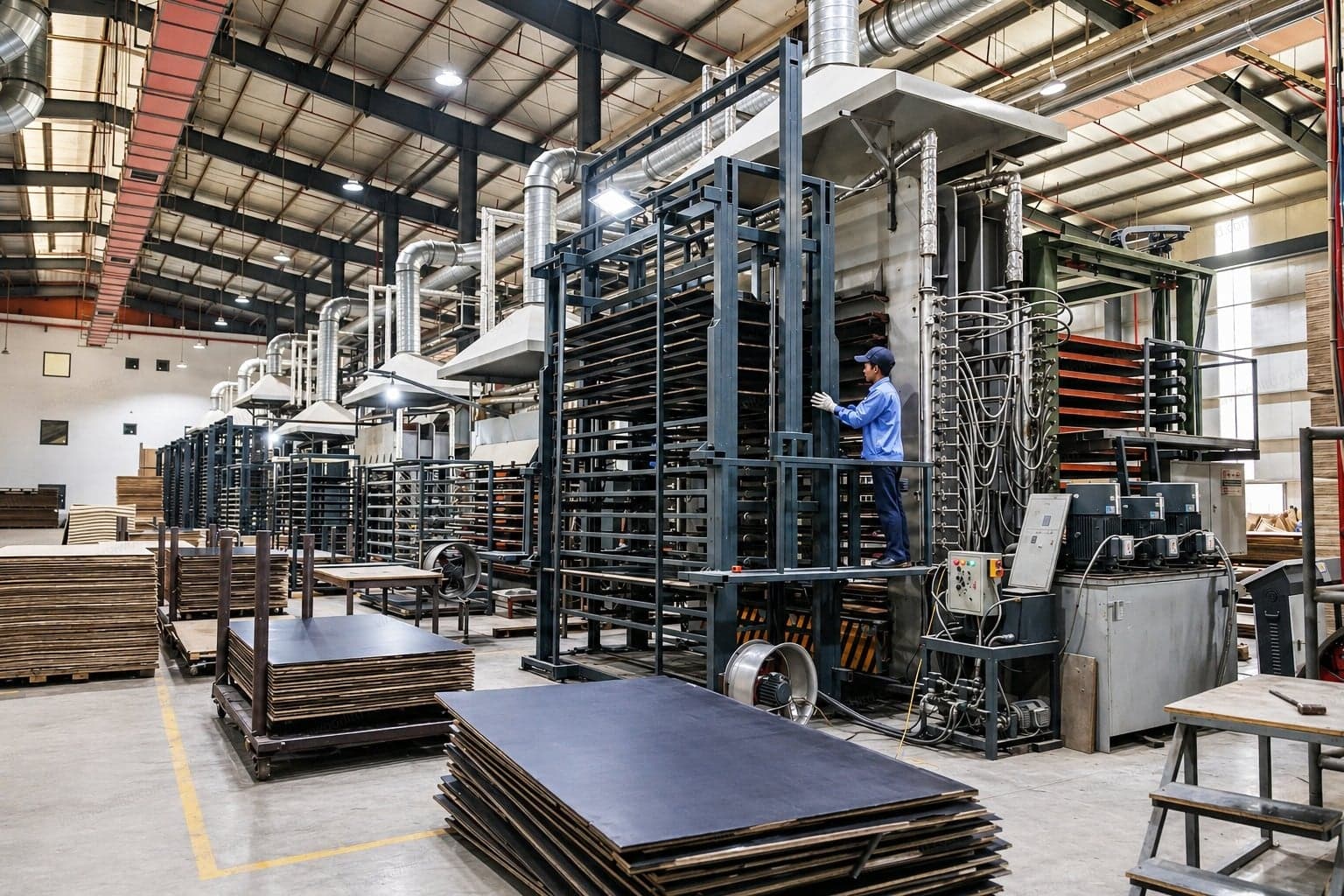
Importing plywood from Vietnam
The end-to-end importer's guide to sourcing plywood from Vietnam: vet a mill, lock the spec, agree Incoterms, watch QC, assemble the legality file, then load and clear the container.
Overview
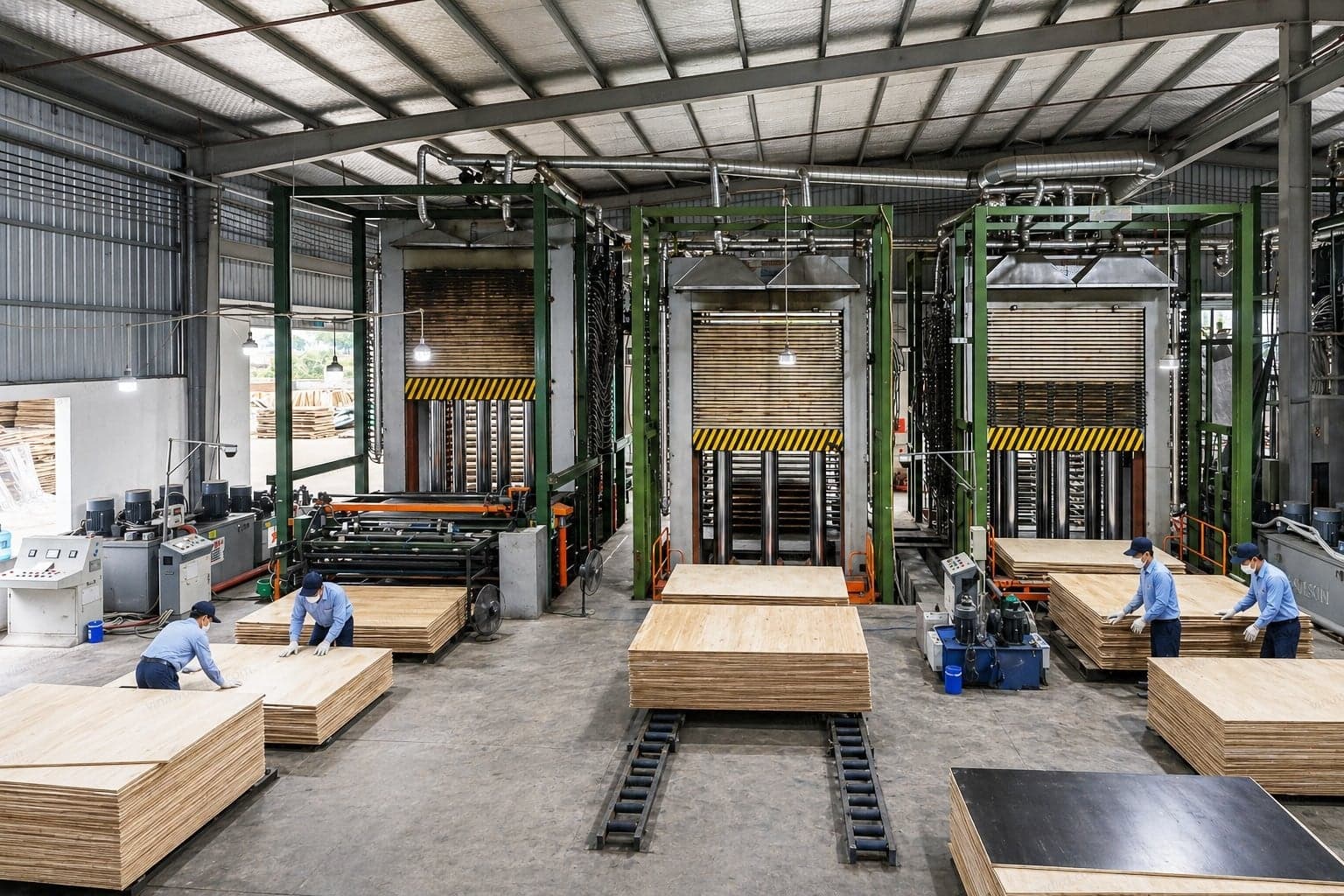
The Vietnam Plywood Industry: A Complete Overview
A plain-English overview of Vietnam's plywood industry: its scale and growth, the plantation species base, the main export product types, certification, and where Vietnam sits among global plywood origins.

Glossary
Eucalyptus Plywood from Vietnam: The Denser Core
Eucalyptus is Vietnam's denser plantation-grown plywood core, chosen when a panel needs more stiffness and screw-hold than acacia. Here is where it grows and how the extra weight changes its use.
Pillars
Compliance
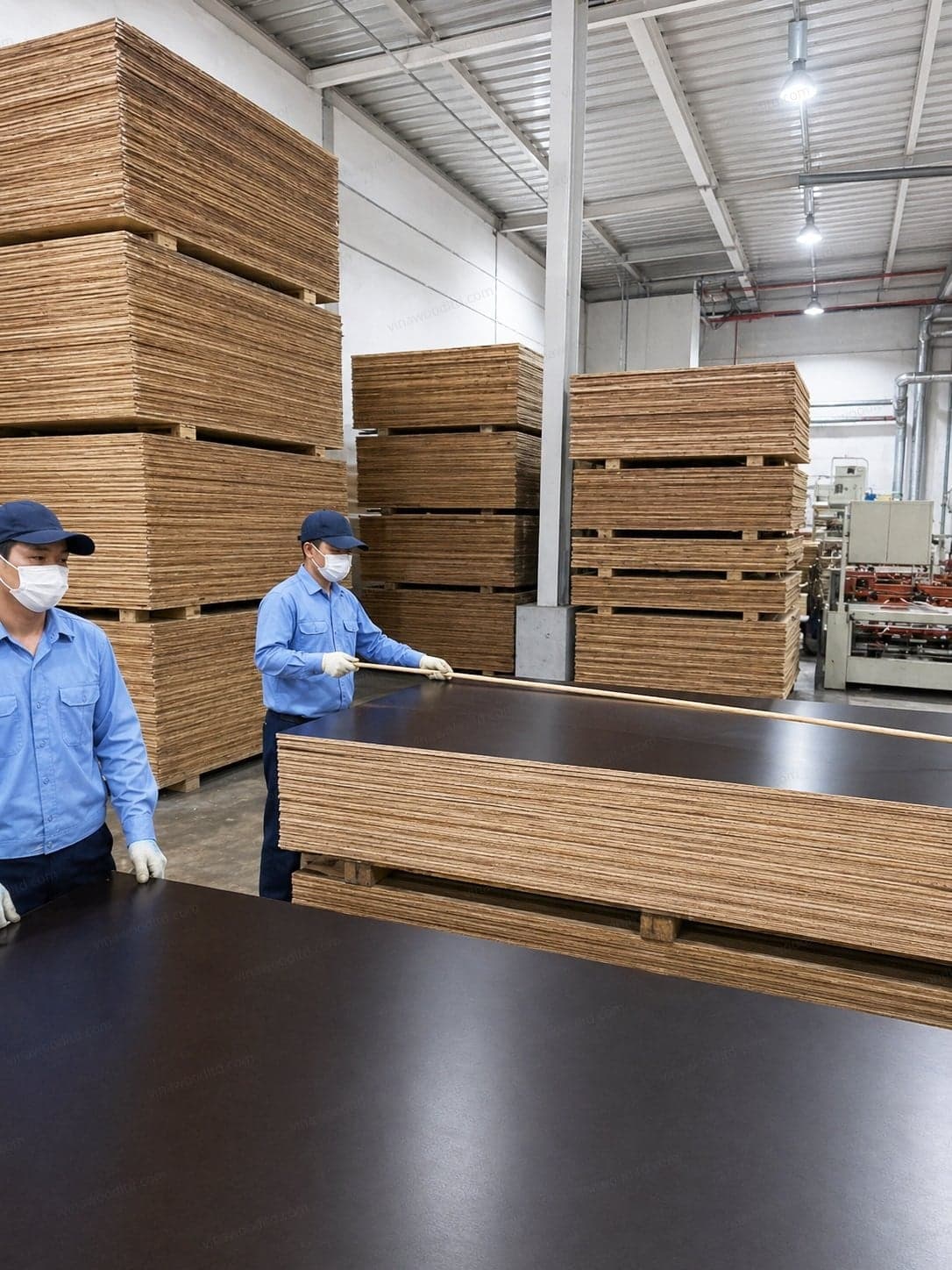
Compliance atlas for Vietnam plywood
The compliance documents a Vietnamese mill actually produces, how origin and legality paperwork is generated in-country under VNTLAS, what Vietnam's EUDR low-risk status means, and how a buyer verifies a mill.
Compliance
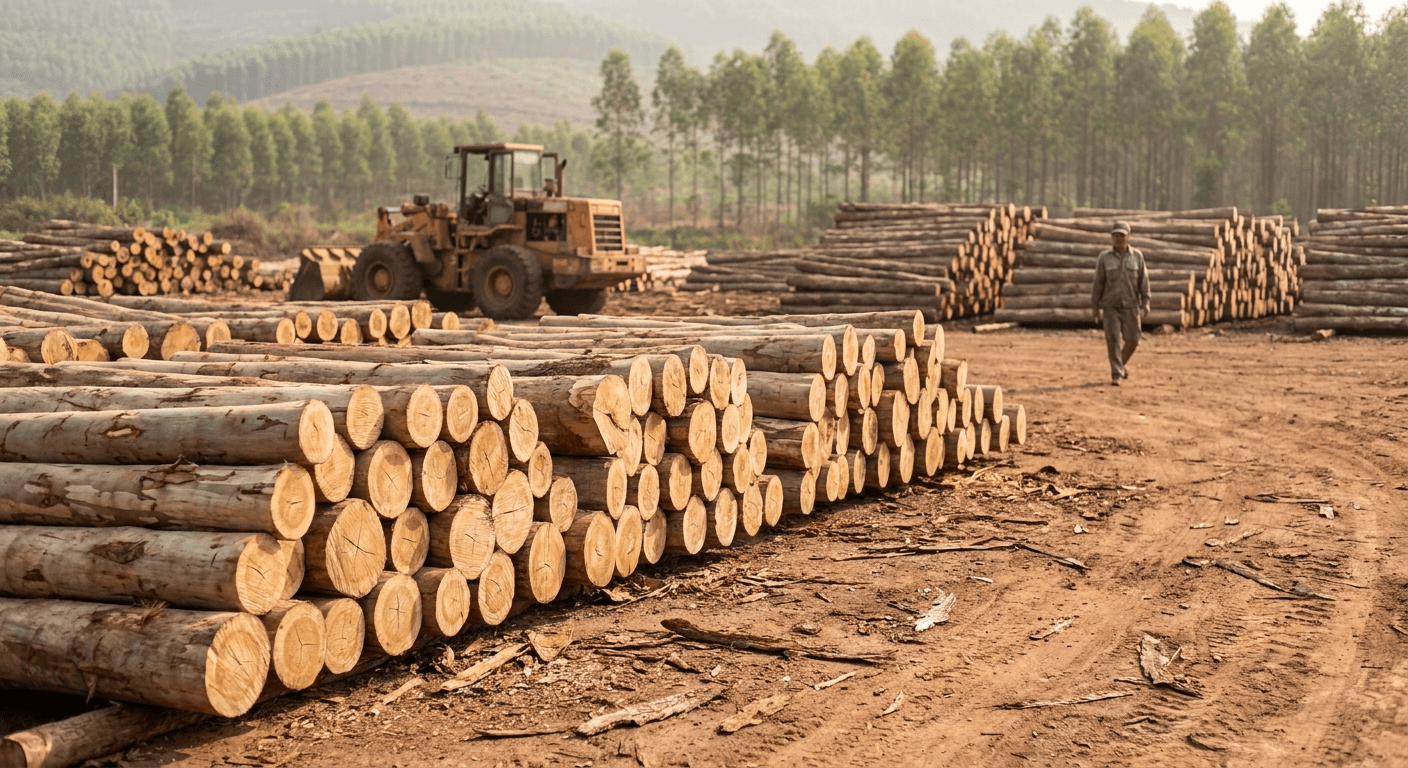
EUDR Evidence Pack for Vietnamese Plantation Plywood
A plain-language reference on how a compliant EUDR evidence pack for Vietnamese plantation plywood typically works: Article 9 data, Circular 26/2022 origin dossiers, smallholder land tenure, the money trail without a seller e-invoice, and why the mill pack is not the DDS.

Overview
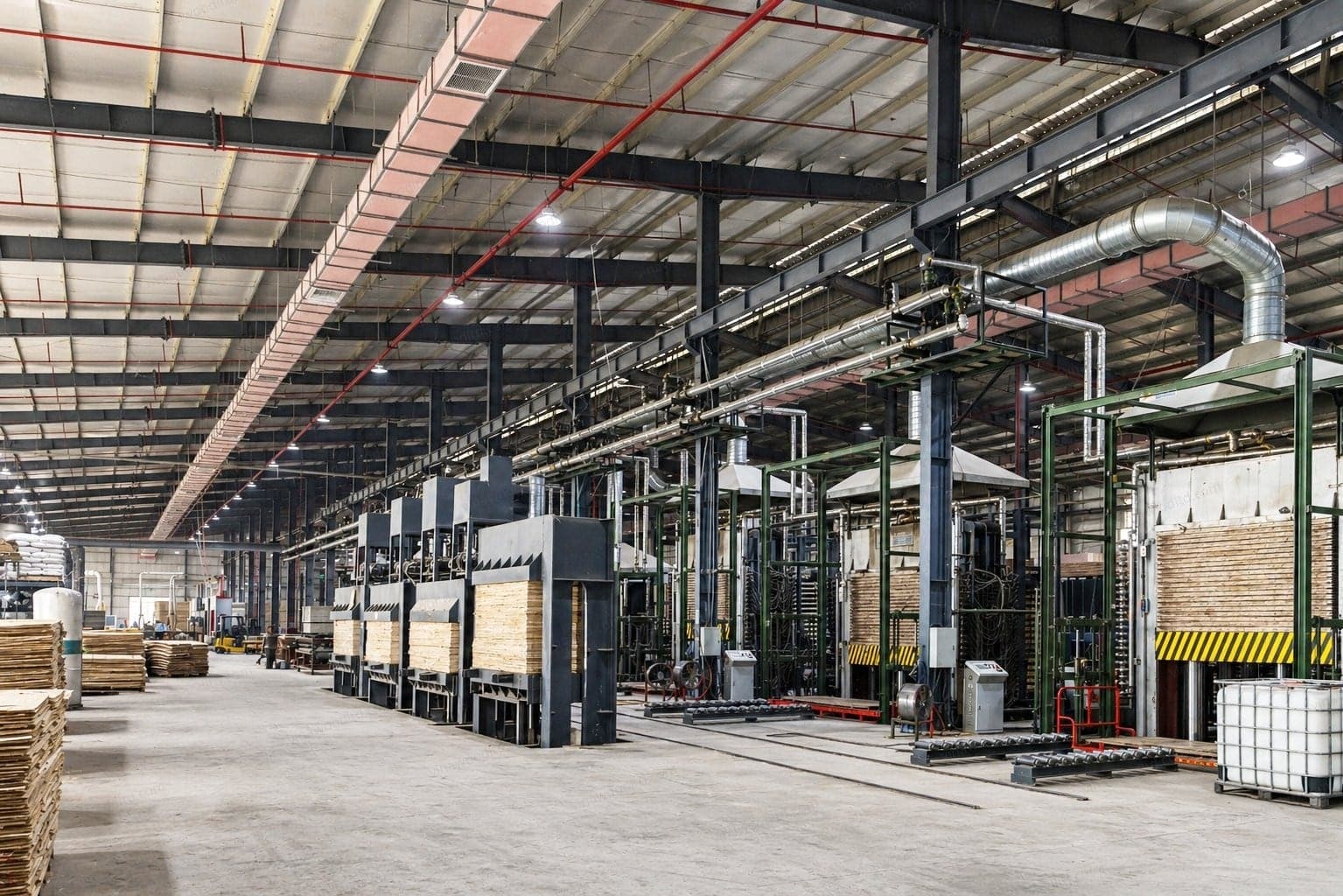
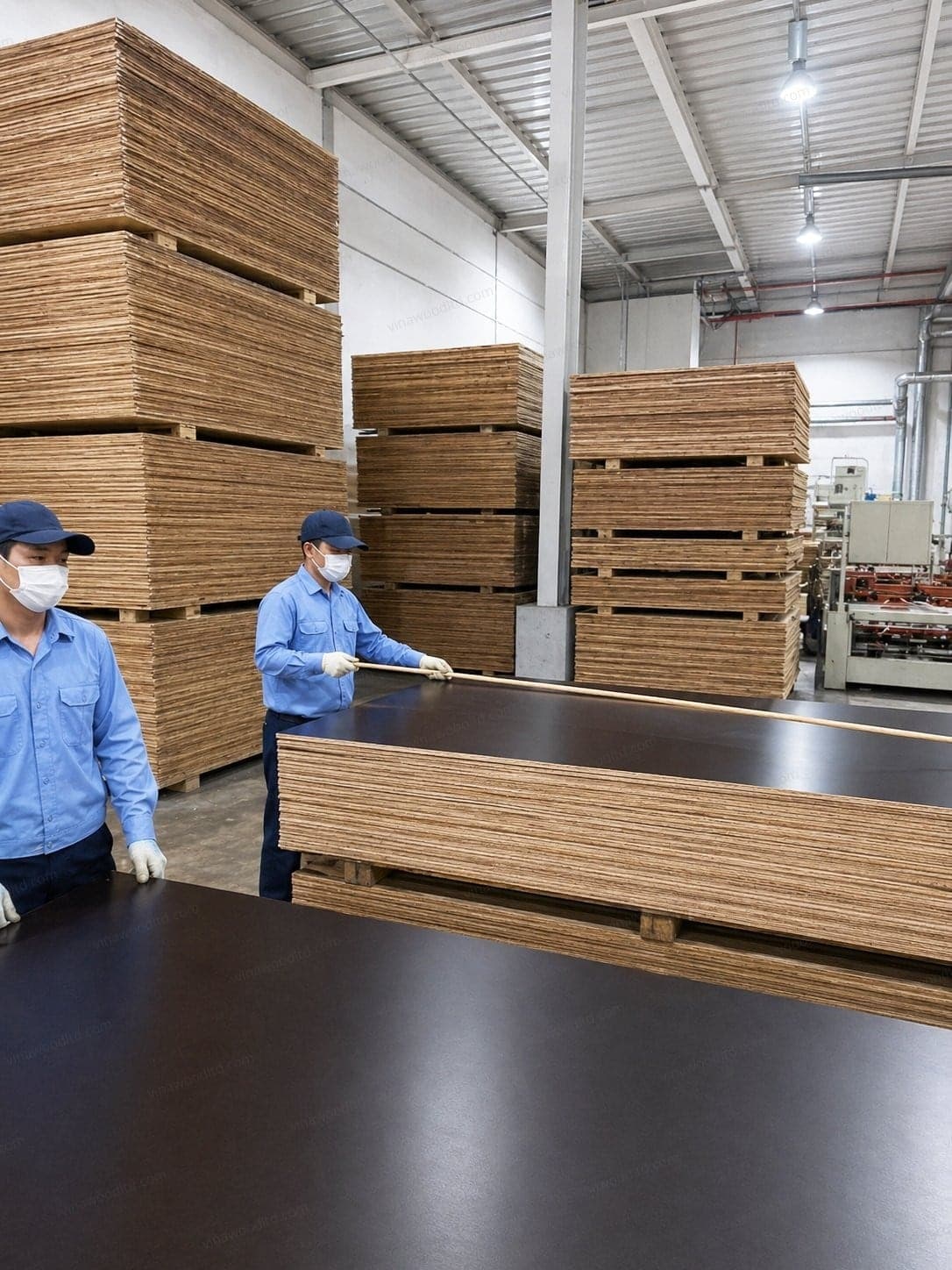
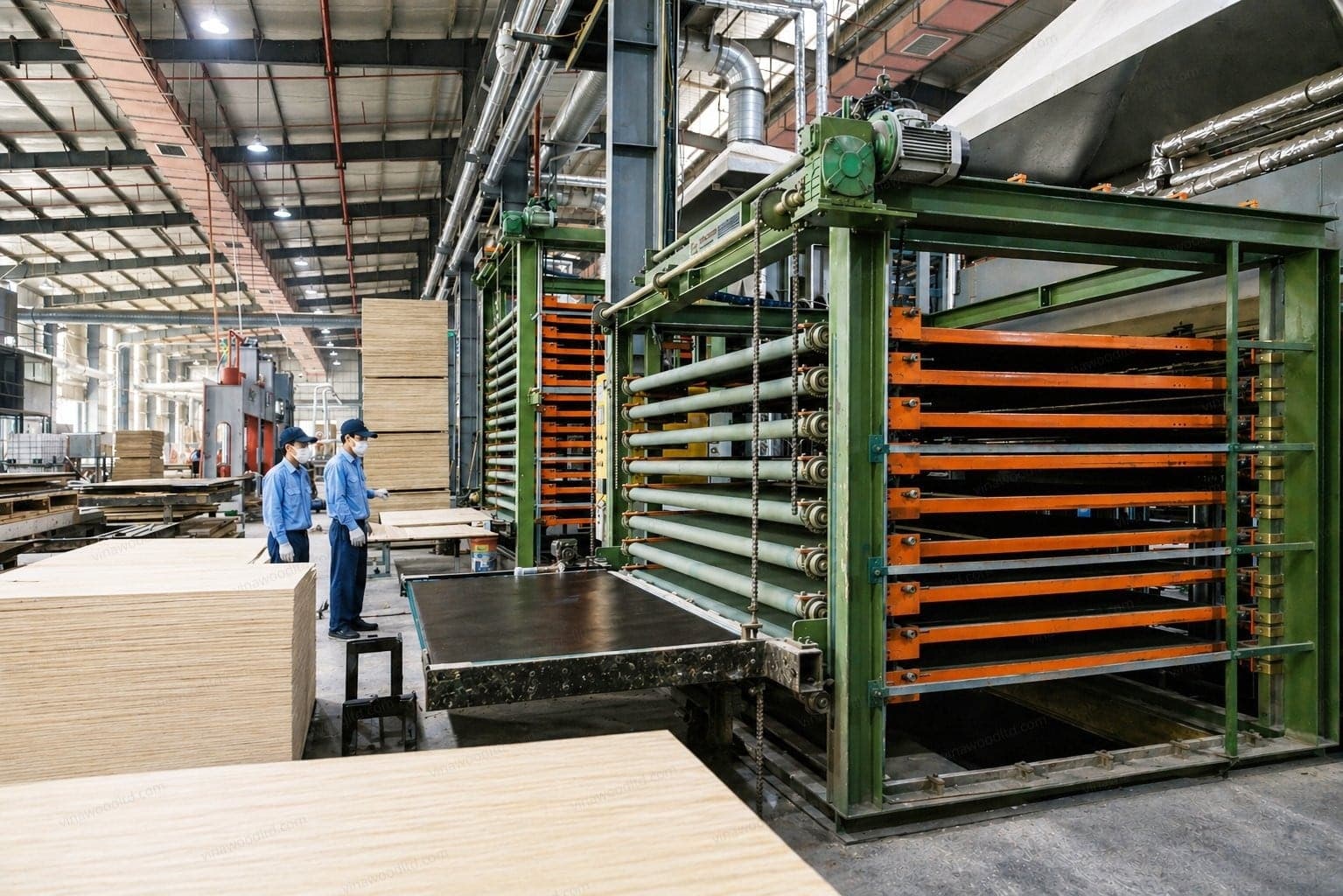
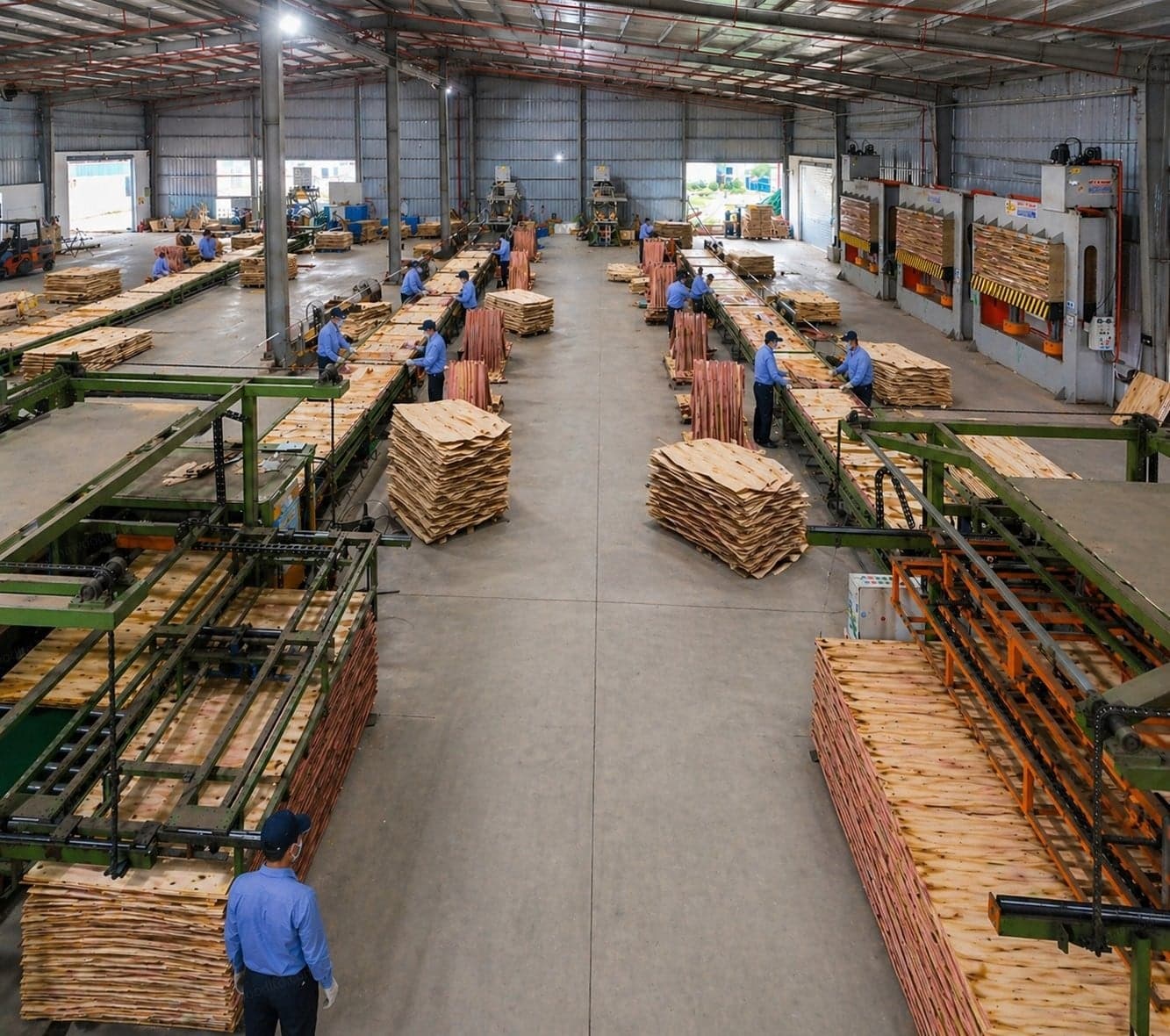
How Vietnam plywood is made
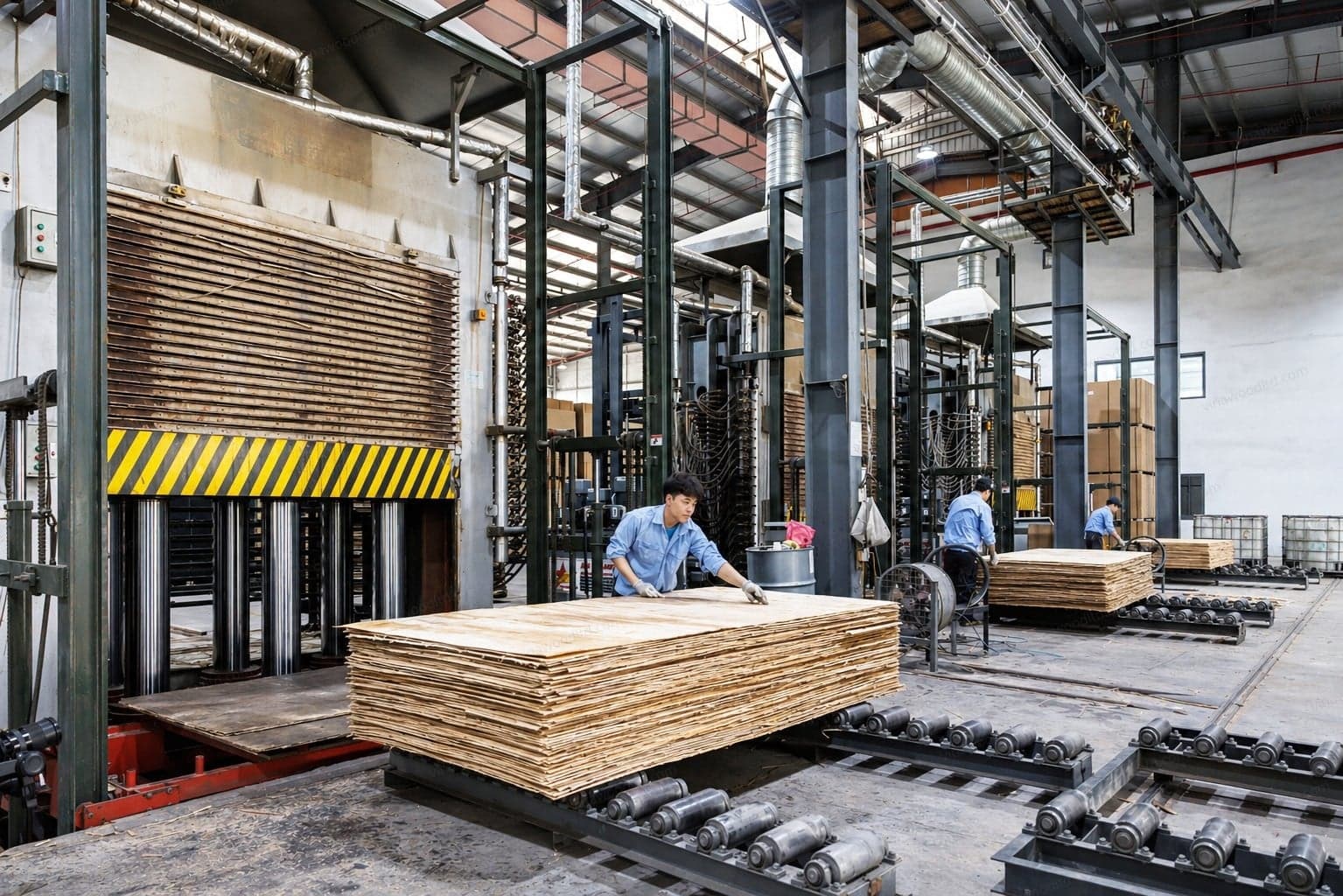
How a modern Vietnamese export mill turns plantation-grown logs into finished plywood, walked through all twelve production stages from log peeling to container loading.
Markets
North America buyer path
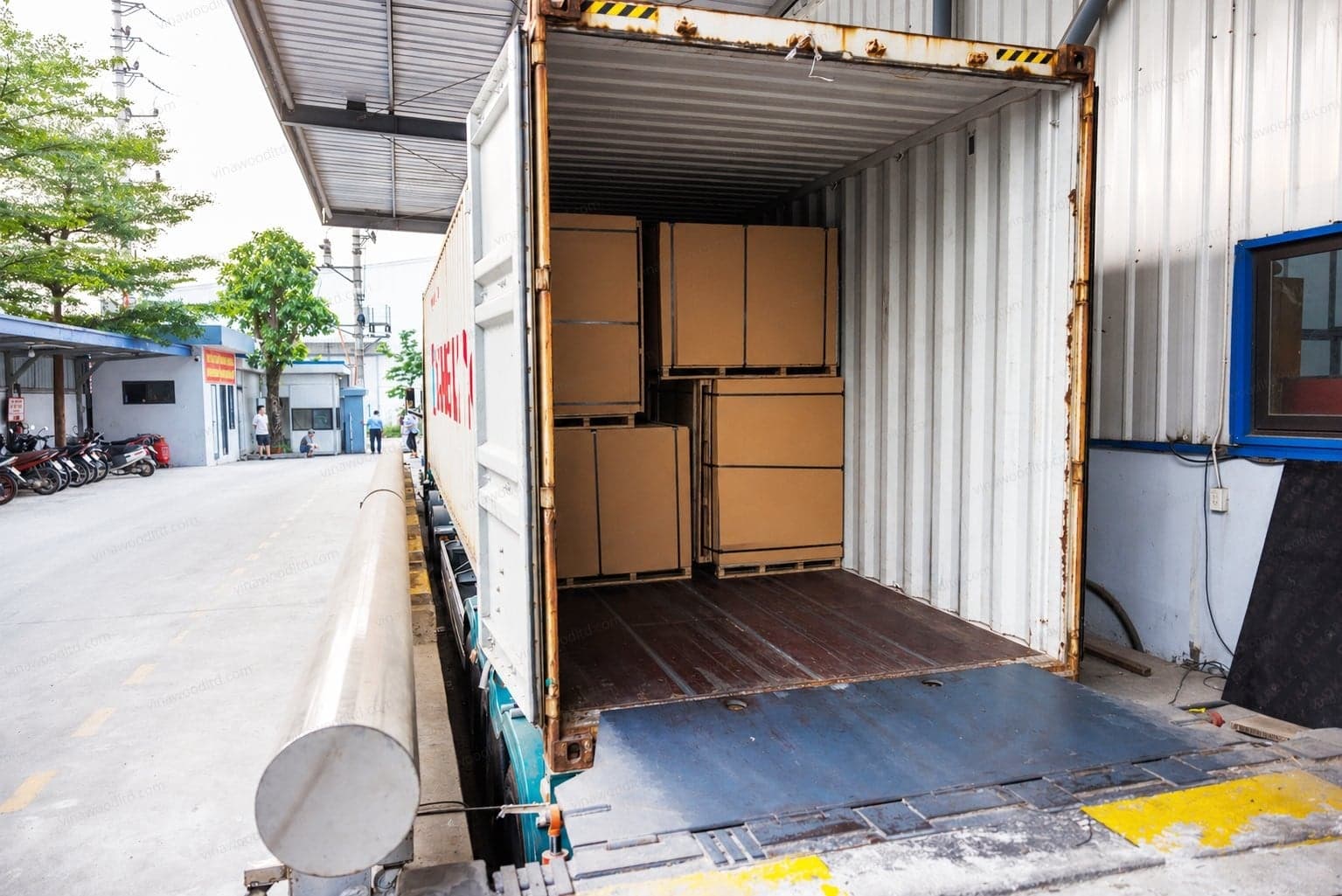
Contractors and wholesalers: when to buy local stock via OnePly vs when a mill program with Vinawood makes sense.
Grades
Plywood grades & applications
A supplier-neutral map of the plywood grade families Vietnamese mills produce, each tied to a typical glue class and end use, so a specifier can write an RFQ to spec instead of to a brand name.
Compliance
Spotting Transshipped Chinese Plywood Sold as Vietnamese
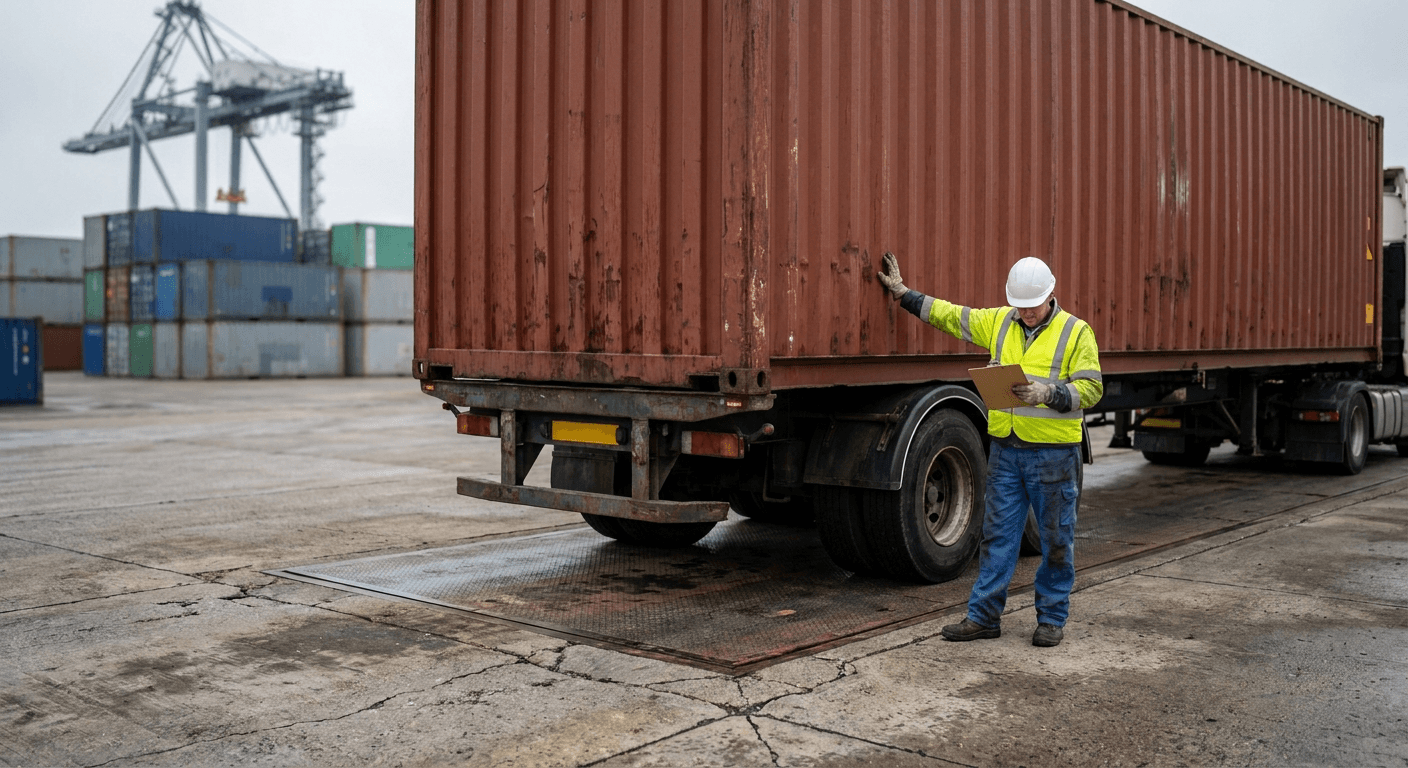
A buyer-protection guide to detecting Chinese-origin plywood illegally transshipped through Vietnam, using the weight-per-CBM density test and document checks to protect against duties, EUDR non-compliance, and seizure.
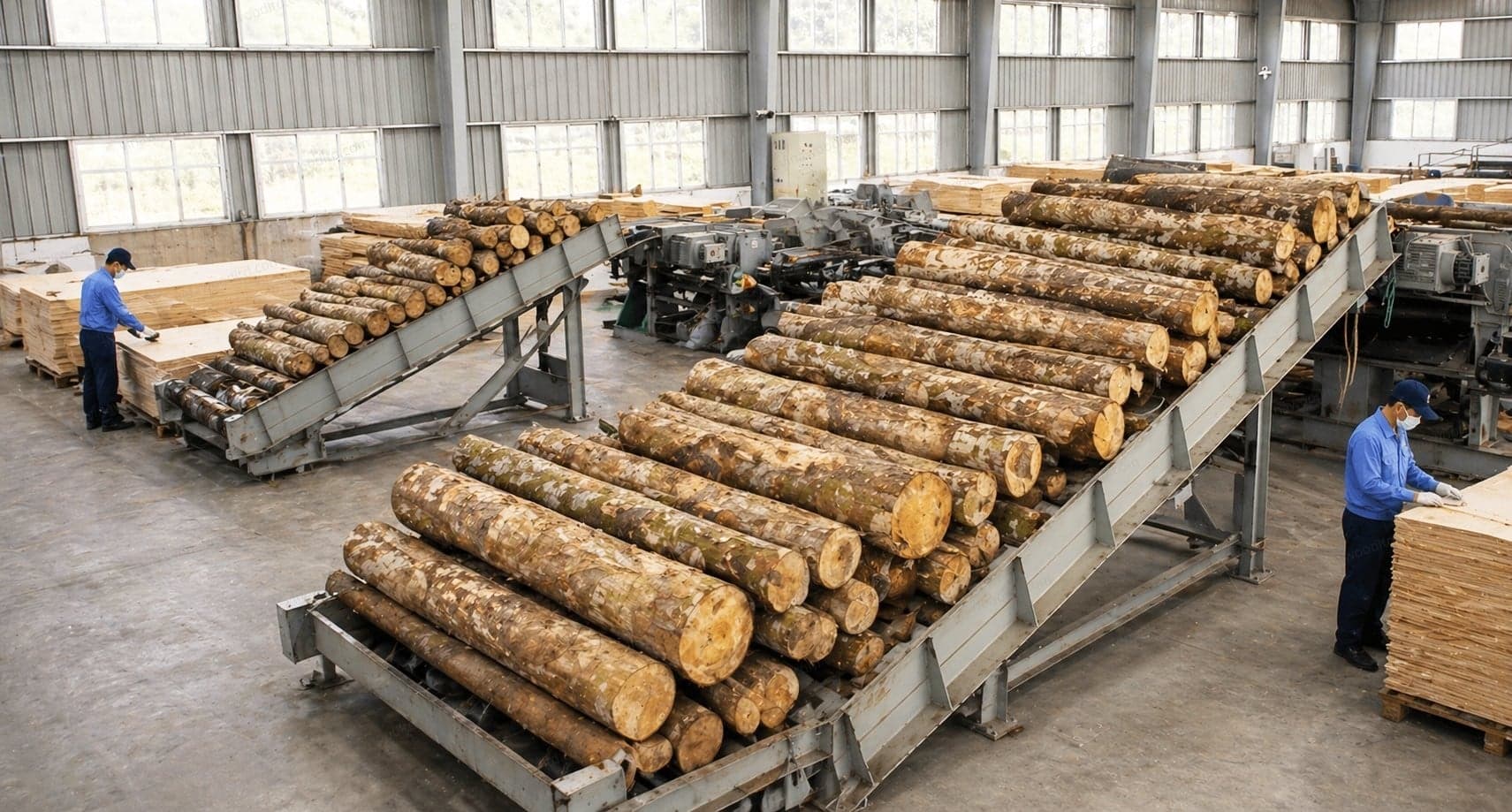
Overview
What is Vietnam plywood?
Vietnam plywood, defined: plywood made in Vietnam from plantation-grown acacia, eucalyptus, rubberwood and styrax and exported worldwide. How it differs by origin, and where to go deeper.
By topic
Overview
6How Vietnam plywood is made
How a modern Vietnamese export mill turns plantation-grown logs into finished plywood, walked through all twelve production stages from log peeling to container loading.
The Vietnam Plywood Industry: A Complete Overview
A plain-English overview of Vietnam's plywood industry: its scale and growth, the plantation species base, the main export product types, certification, and where Vietnam sits among global plywood origins.
What is Vietnam plywood?
Vietnam plywood, defined: plywood made in Vietnam from plantation-grown acacia, eucalyptus, rubberwood and styrax and exported worldwide. How it differs by origin, and where to go deeper.
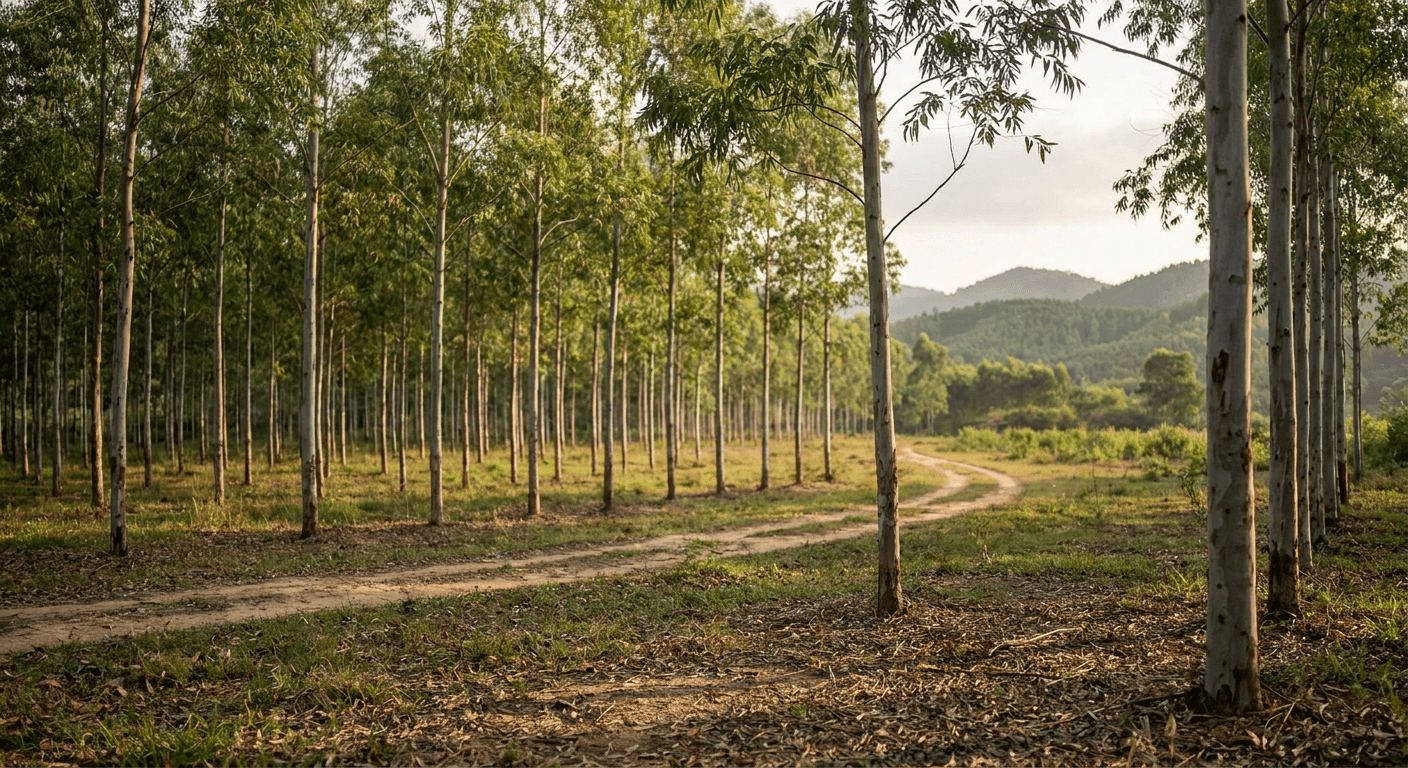
Plantation Forestry Behind Vietnam's Plywood
Vietnam's plywood is built on plantation-grown acacia, eucalyptus and rubberwood, much of it raised by smallholder farmers. A look at the timber base, rotation ages, FSC and PEFC certification, and EUDR legality context.
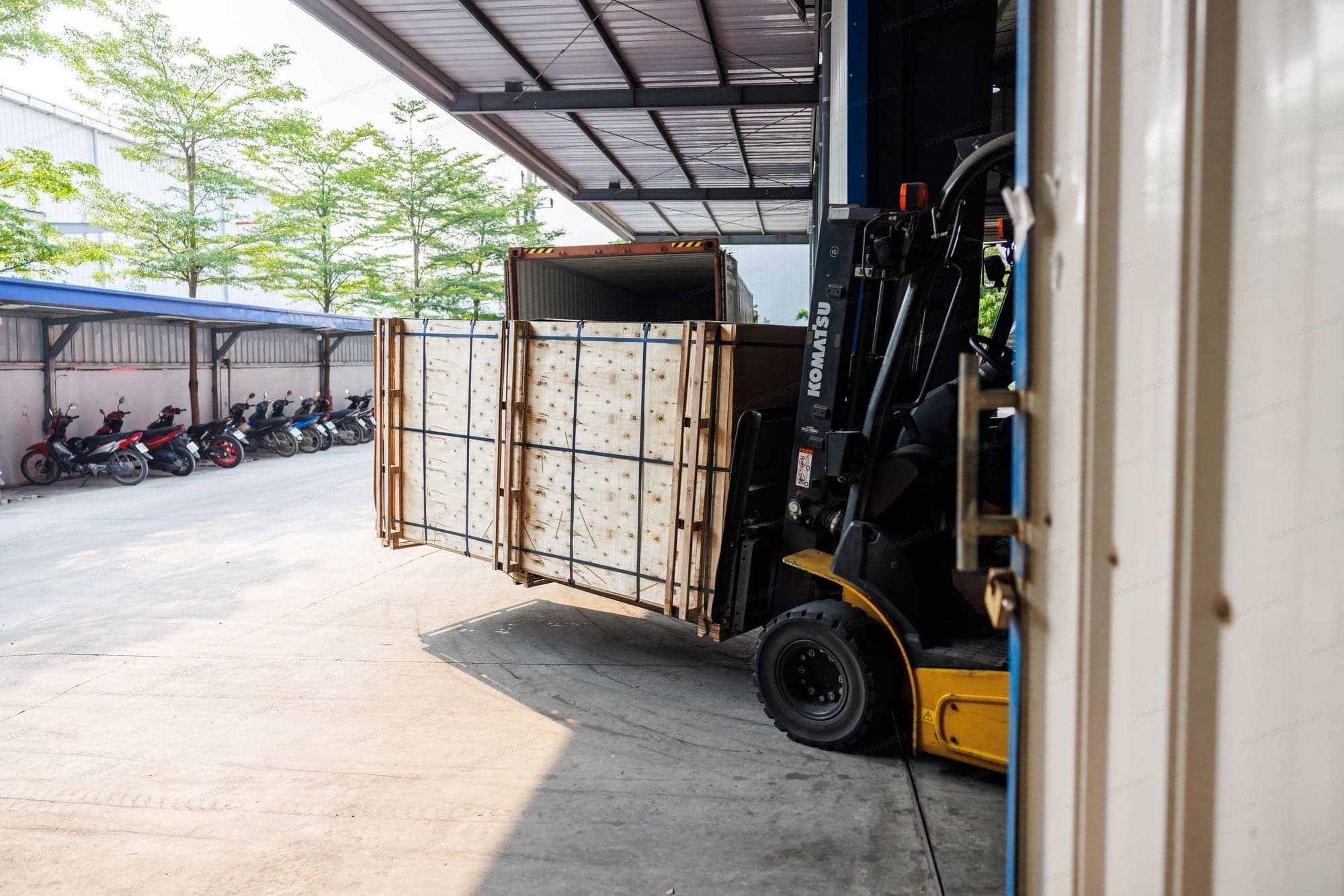
Vietnam's Plywood Manufacturing Regions and Clusters
A map of where Vietnam makes plywood: the northern mill clusters around Bac Ninh and Phu Tho, the southern furniture belt, and how region maps to species supply and to the export ports that ship each.
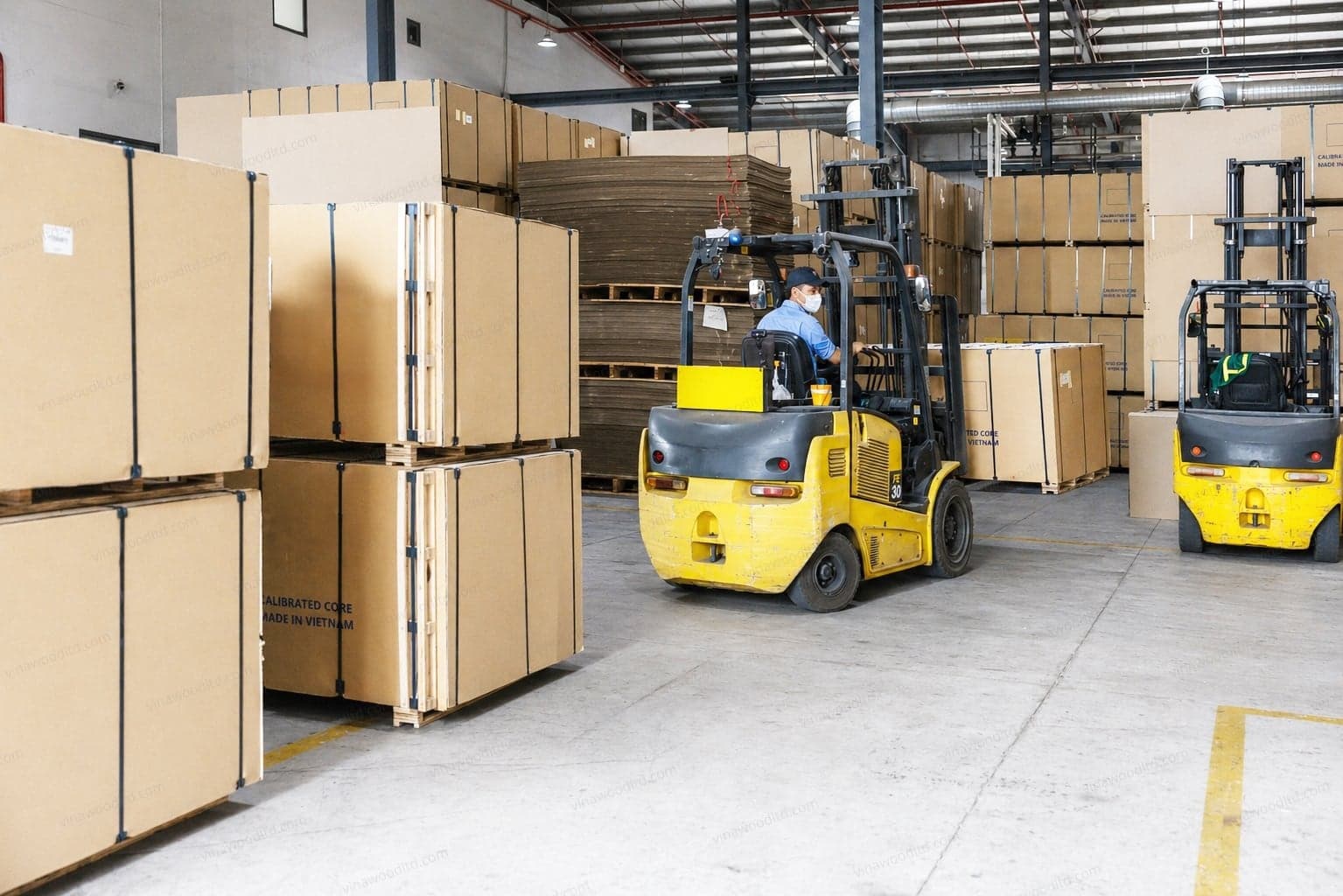
Why Vietnam Became a Plywood Export Hub
Vietnam rose as a plywood exporter through a plantation acacia and eucalyptus base, low-cost integrated mills, foreign investment, port growth, and shifting US trade policy on China-origin hardwood plywood.
Grades
6Plywood grades & applications
A supplier-neutral map of the plywood grade families Vietnamese mills produce, each tied to a typical glue class and end use, so a specifier can write an RFQ to spec instead of to a brand name.
Plywood Standards Cross-Reference Matrix (EN, BS, IS, JAS, AS/NZS, ASTM)
A side-by-side reference that lines up plywood bond, durability and formaldehyde classes across EN, BS 1088, IS 710/303, JAS, AS/NZS and US PS 1, so a foreign spec can be translated into what a Vietnamese mill can build and certify.
Formwork plywood: what it is, and how Vietnam-origin panels fit
Formwork plywood is the overlay sheet crews pour against, not a steel or aluminum formwork system. How Vietnam-origin panels fit that job, P-Form vs Pro Form, mill vs trader.
Phenolic Plywood Explained: Film Face vs Glue Line
Phenolic plywood is trade shorthand for a phenol-formaldehyde glue line, a phenolic film face for formwork, or both—name the layer before comparing offers.
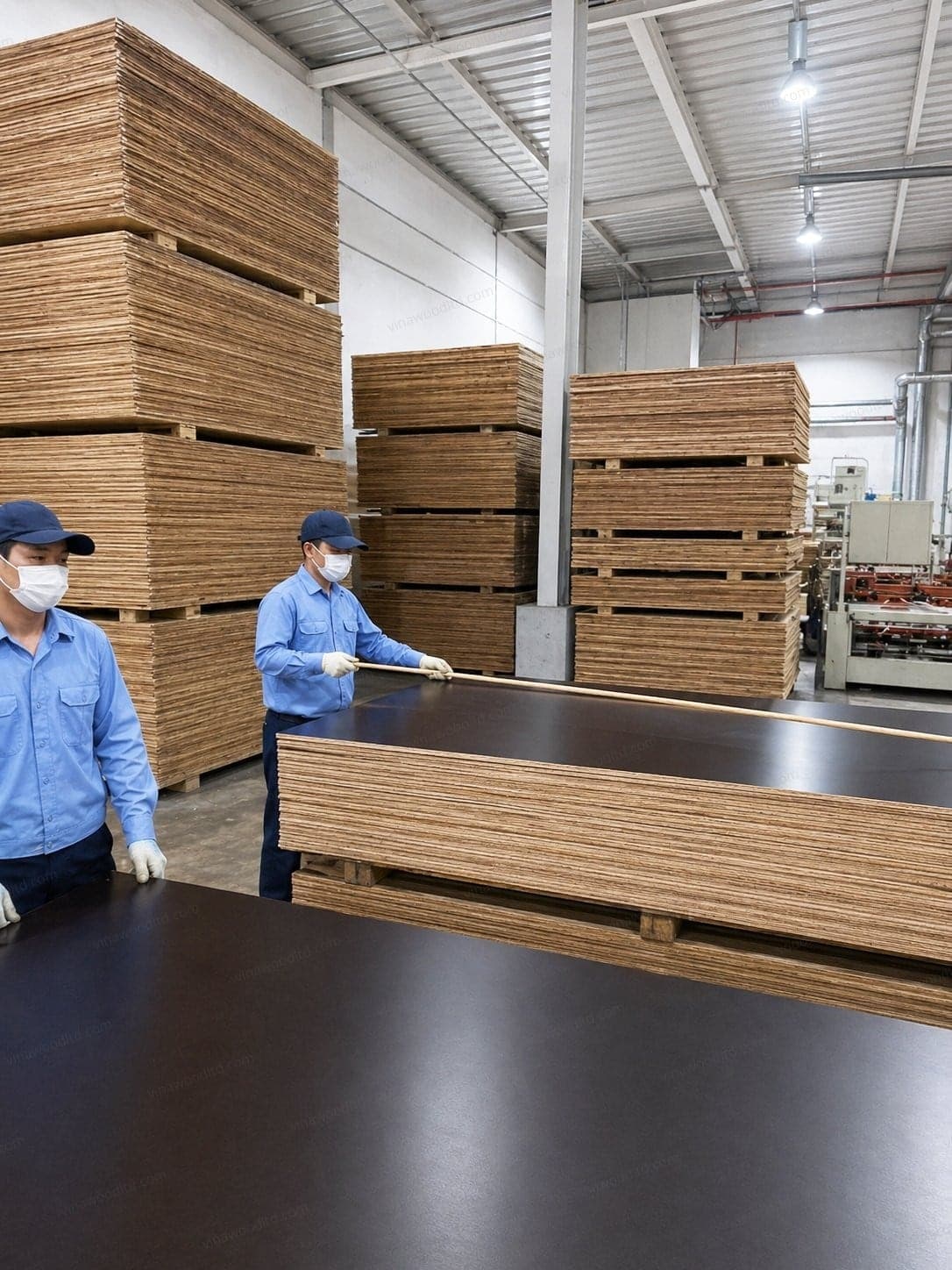
Vietnam film faced plywood: origin, phenolic face, formwork
Vietnam film faced plywood is plantation-grown phenolic-film formwork plywood pressed in Vietnam. Origin, face vs glue, mill vs trader.
WBP Plywood Explained: Water and Boil Proof Glue vs Waterproof Claims
WBP plywood is trade shorthand for a water-and-boil-proof glue line—often mapped to EN 314-2 Class 3—not a waterproof sheet and not marine grade by itself.
Compliance
12Compliance atlas for Vietnam plywood
The compliance documents a Vietnamese mill actually produces, how origin and legality paperwork is generated in-country under VNTLAS, what Vietnam's EUDR low-risk status means, and how a buyer verifies a mill.
EUDR Evidence Pack for Vietnamese Plantation Plywood
A plain-language reference on how a compliant EUDR evidence pack for Vietnamese plantation plywood typically works: Article 9 data, Circular 26/2022 origin dossiers, smallholder land tenure, the money trail without a seller e-invoice, and why the mill pack is not the DDS.
Spotting Transshipped Chinese Plywood Sold as Vietnamese
A buyer-protection guide to detecting Chinese-origin plywood illegally transshipped through Vietnam, using the weight-per-CBM density test and document checks to protect against duties, EUDR non-compliance, and seizure.
BS 1088 Marine Plywood Explained: 2018 Classes, Bond Class 3, and Certificate Checks
What BS 1088:2018 requires for marine plywood—standard versus lightweight classes, Bond Class 3, and a practical stamp-versus-certificate checklist for importers.
Certification Requirements for Vietnam Plywood by Destination
Lookup table of what each destination asks a Vietnam-origin mill to show: US TSCA Title VI and Lacey, EU CE and EUDR, UKCA, KS, JAS, BIS. FSC is usually a buyer request, not a customs stamp.
EN 314-2 Plywood Bonding Classes: Class 1, 2, and 3 Explained
EN 314-2 sets three plywood bonding classes by end-use moisture: Class 1 dry, Class 2 humid/protected exterior, Class 3 unprotected exterior. Learn how EN 314-1 tests, EN 636 types, and Eurocode 5 service classes line up for importers reading certificates.
EU PPWR Explained: Packaging Compliance for Vietnam Plywood & EU Importers
PPWR (Regulation EU 2025/40) covers shipment packaging around Vietnam plywood panels, not the panels themselves. Dates, Art. 18 importer duties, DoC and Annex VII.

EUDR and Vietnam Plywood: Supplier Evidence, Forestry Law and Country Risk
Vietnam is benchmarked low-risk under EUDR, but a mill still owes plot geolocation, species, quantity and legality evidence for every panel. Here is exactly what a Vietnamese supplier hands over for a due-diligence statement, and the forestry law that generates it.
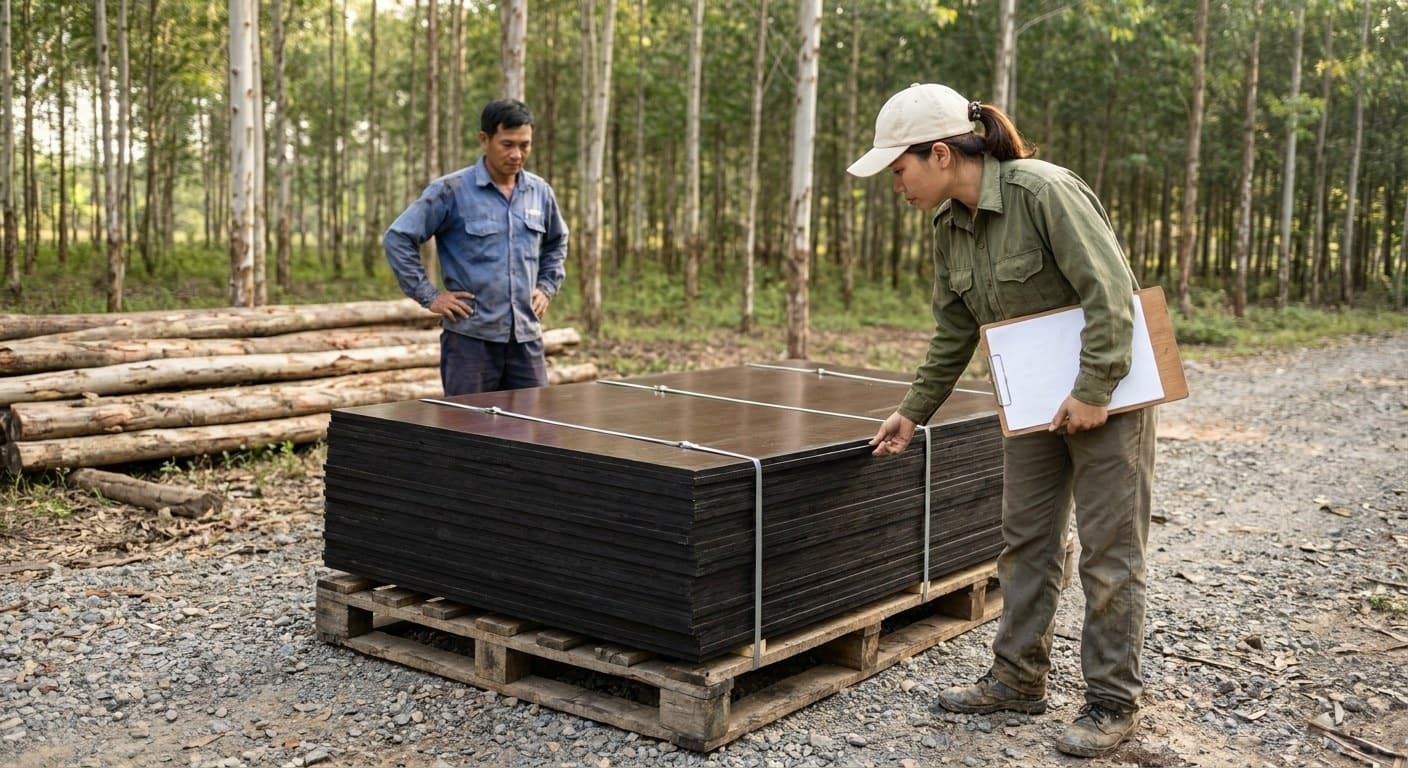
FSC and PEFC Certified Plywood Explained: Chain of Custody, Claims and How the Schemes Differ
What FSC and PEFC certify, how a chain of custody claim moves from plantation to plywood invoice, where the two schemes differ and what a certificate does not prove.

REACH and Vietnam Plywood: The EU Formaldehyde Restriction
How REACH's Annex XVII entry 77 formaldehyde restriction (Regulation (EU) 2023/1464) affects Vietnamese plywood sold in the EU, and what a mill must show to meet the 0.062 mg/m³ limit from 6 August 2026.

US Antidumping and Countervailing Duties on Vietnam Plywood: Status and Scope
A plain-language, public-sourced guide to how US antidumping and countervailing duties apply to Vietnam-origin plywood: the three separate actions, what the 2025-2026 case covers, and what importers should document.
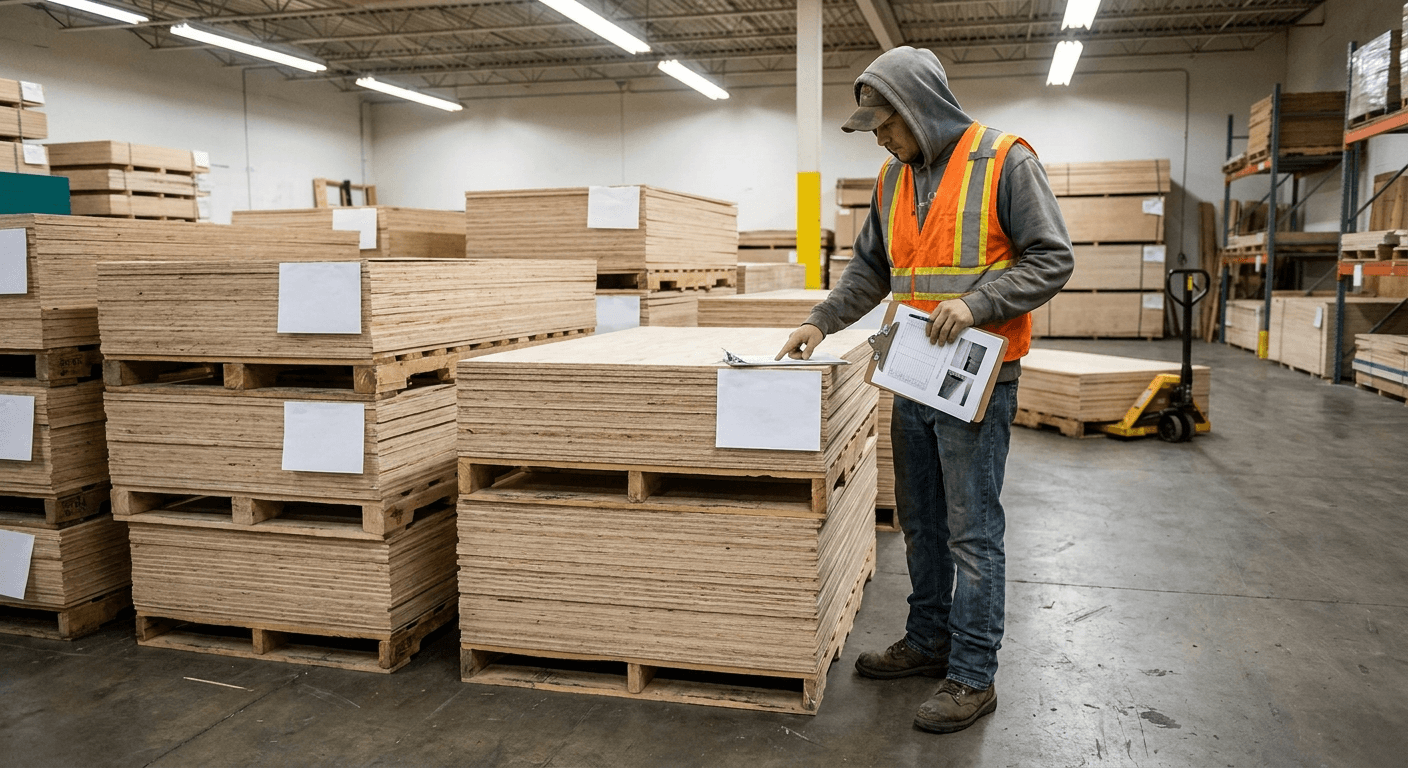
Why Mill Certificates Matter for Canadian Plywood Importers
Canadian plywood importers often stop converting when mill certificates do not match the invoice, lot, or project claim. Here is what good-enough documentation looks like on a Canada-bound PO.
Import
7Importing plywood from Vietnam
The end-to-end importer's guide to sourcing plywood from Vietnam: vet a mill, lock the spec, agree Incoterms, watch QC, assemble the legality file, then load and clear the container.
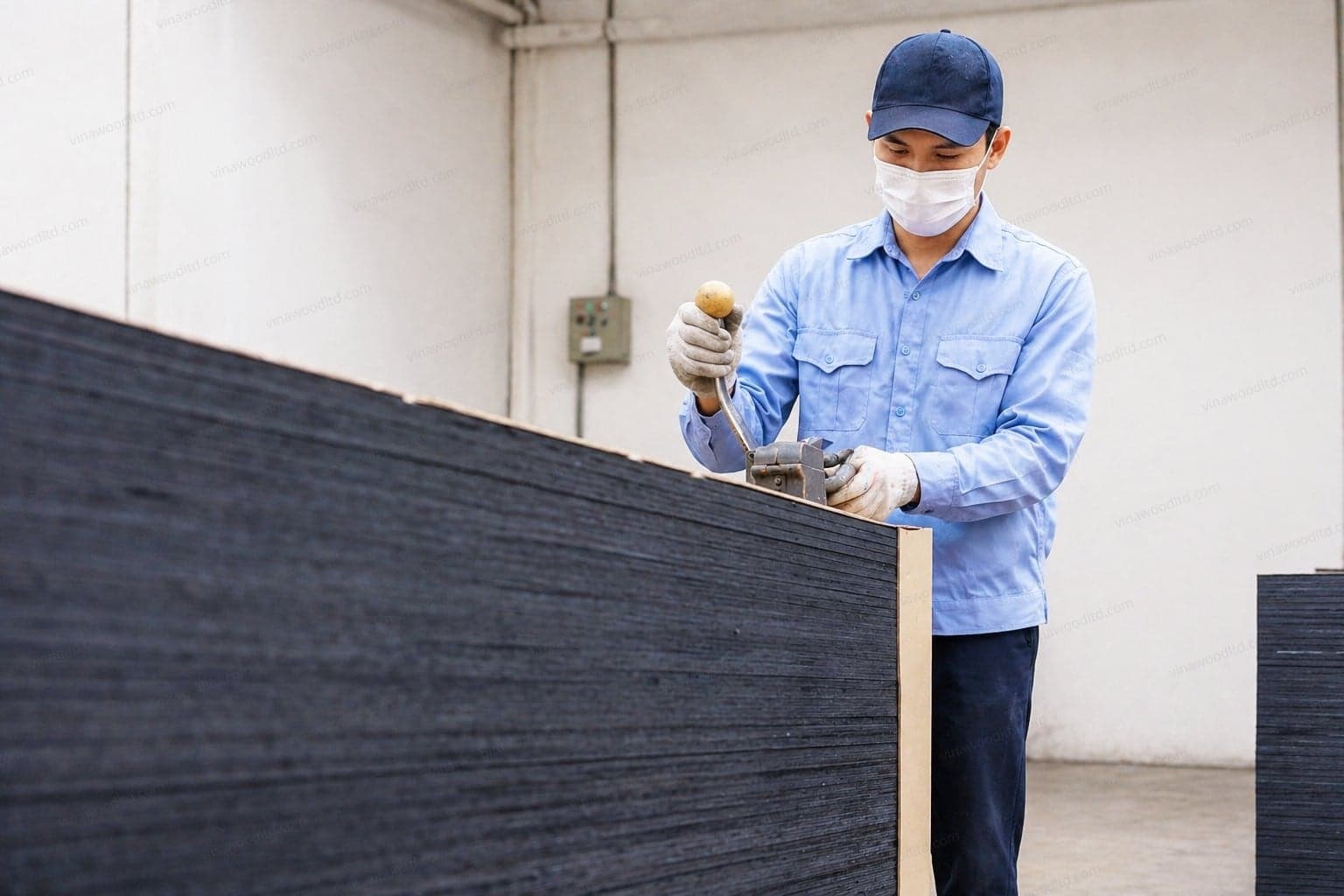
How to Qualify a Vietnamese Plywood Manufacturer
A practical framework for vetting a Vietnamese plywood manufacturer: verifying real capacity, QC-lab test evidence, certificates tied to the actual mill, and the red flags that signal transshipment.

How to Read a Vietnam Plywood Test Certificate
A Vietnam plywood shipment arrives with several certificates, and each proves a different thing. Here is how to read the mill test certificate, formaldehyde cert, bond report, and chain-of-custody claim — and how to spot a copied one.
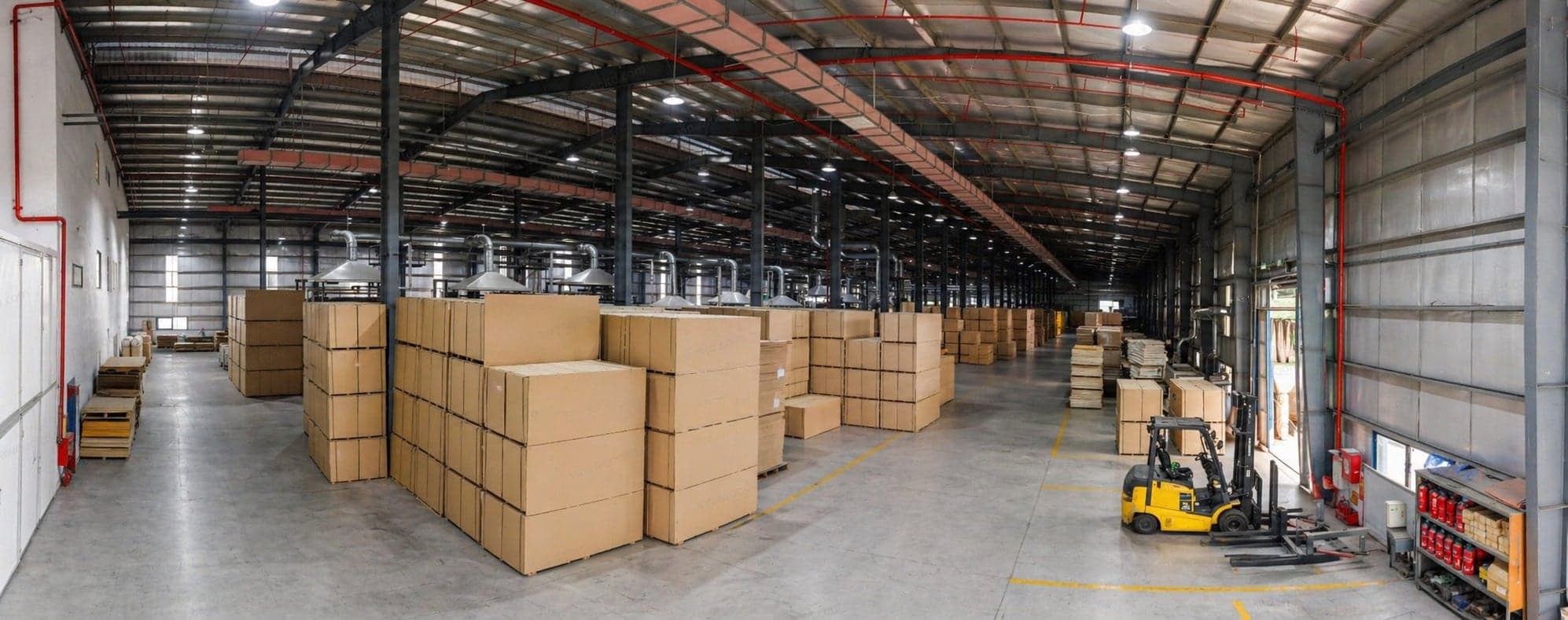
Incoterms and Container Loading for Vietnam Plywood
A buyer's guide to choosing Incoterms (FOB, CIF, CFR, EXW, DAP) for plywood from Vietnam and reading container yield: CBM, weight limits and panels per 20ft, 40ft and 40HC.
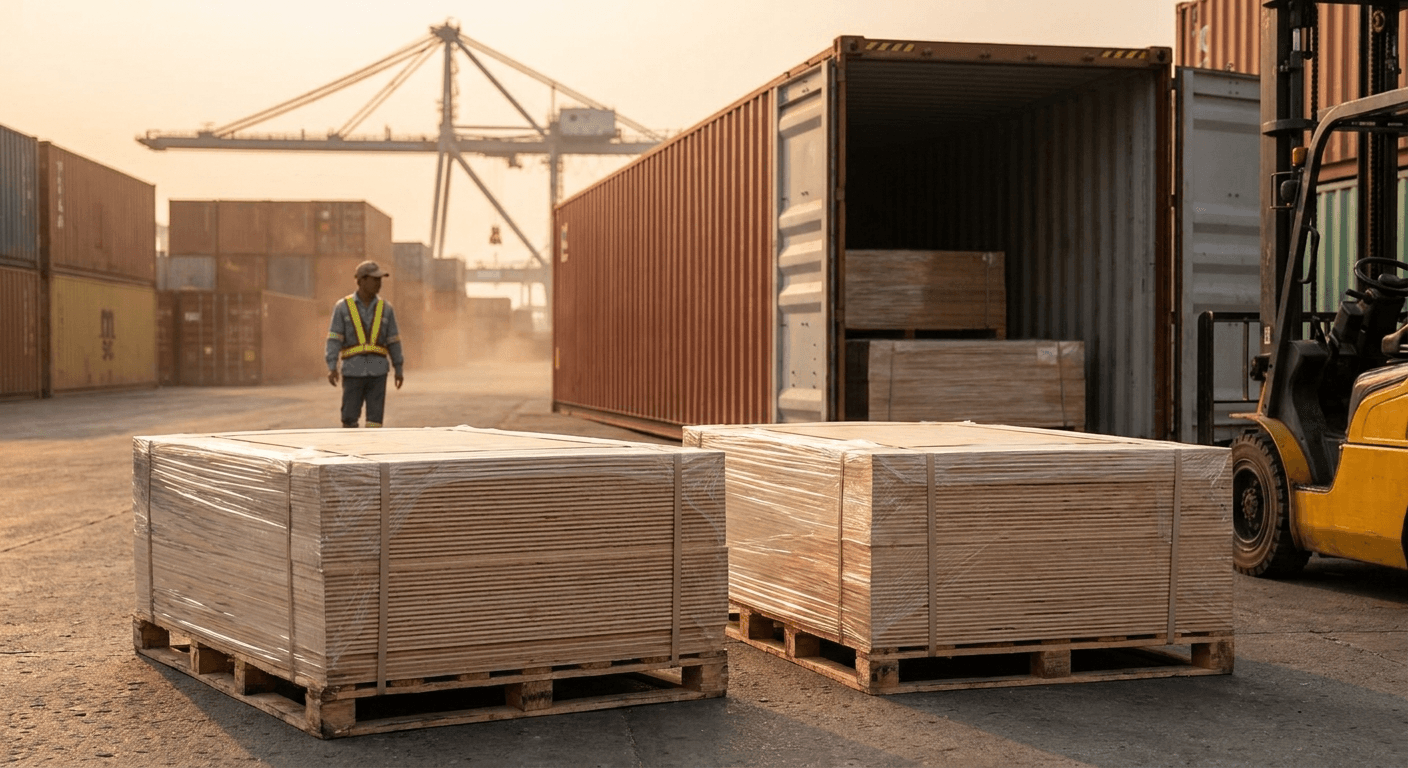
Vietnam Plywood HS Codes: The HS 4412 Breakdown
How Vietnam-origin plywood classifies across the HS 4412 subheadings by construction, ply thickness, and face species, and the import documentation each code triggers.
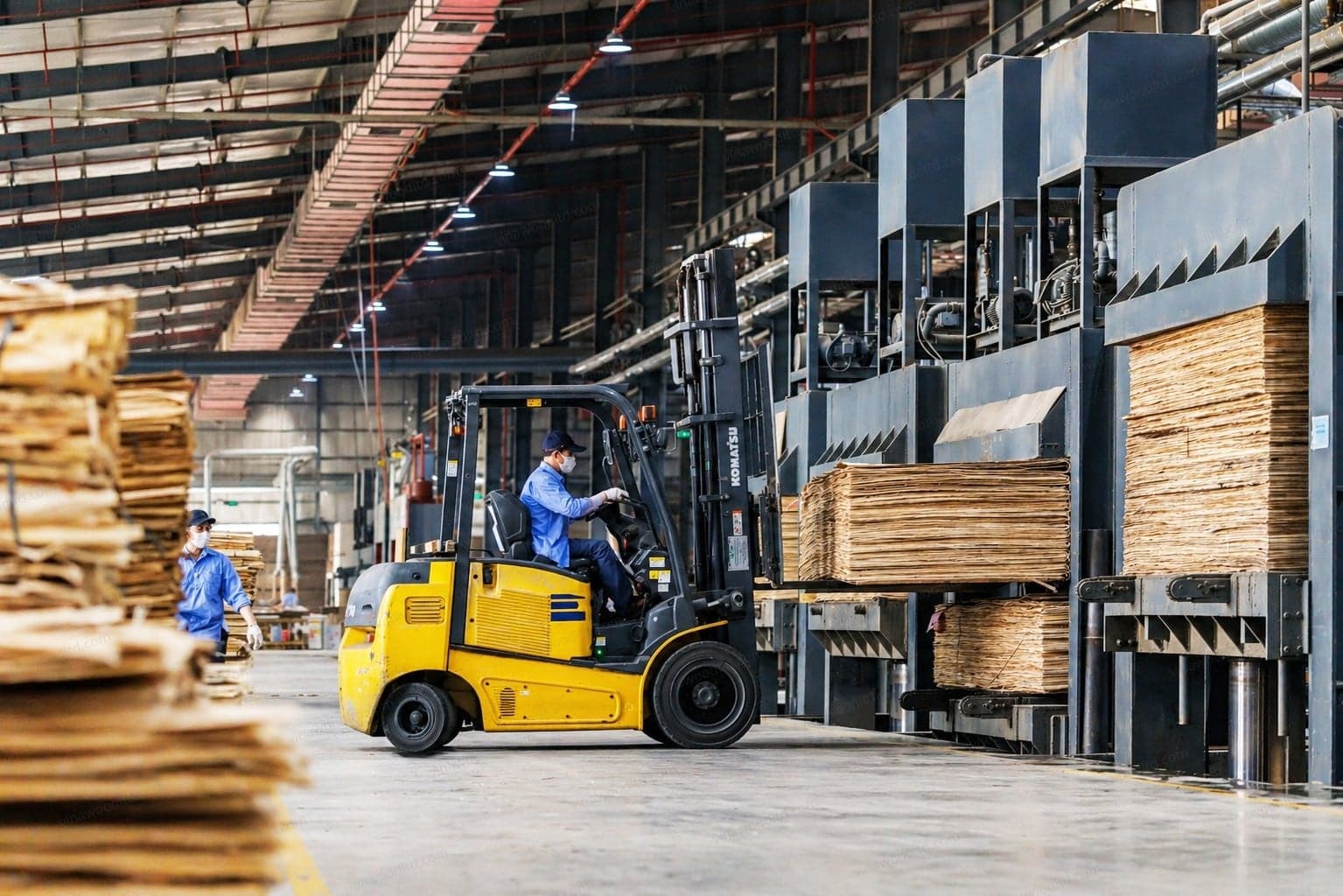
Vietnam Plywood Lead Times, MOQ and Payment Terms
What normal looks like when sourcing plywood from Vietnam: one-container MOQs, a few weeks of production plus sea transit, and TT-deposit or letter-of-credit payment terms.

Vietnam Plywood Supplier Checklist for EU/US Importers
A dual-market checklist for EU and US importers searching Vietnam plywood supplier: shared plantation-species checks, then EU CE/EUDR vs US TSCA/Lacey/AD-CVD lanes.
Markets
4North America buyer path
Contractors and wholesalers: when to buy local stock via OnePly vs when a mill program with Vinawood makes sense.
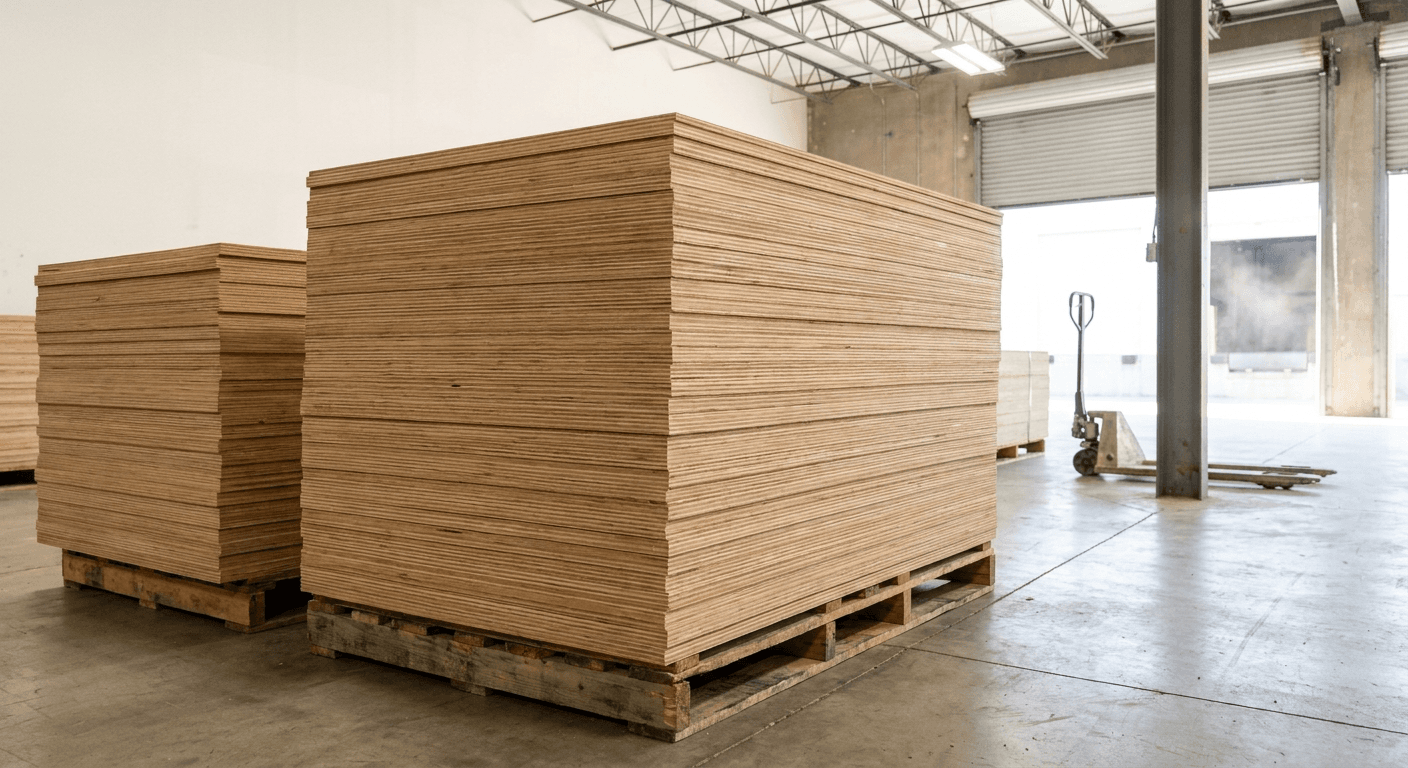
Vietnam vs China Plywood: An Origin Comparison
An even-handed, origin-level comparison of Vietnam and China plywood across forestry base, scale, quality, certification, and the US antidumping duties that reshaped sourcing after 2018.
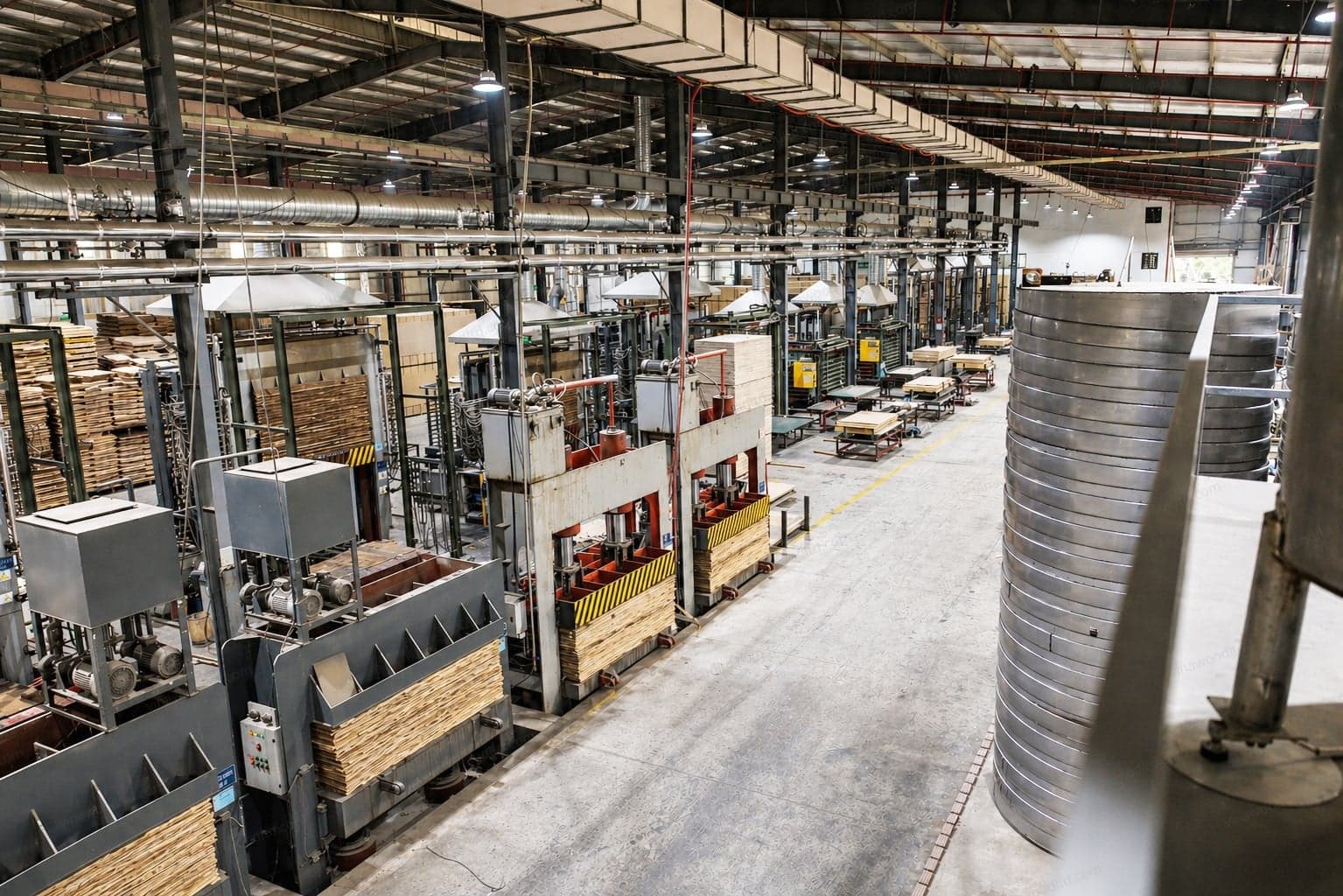
Vietnam vs Indonesia and Malaysia Plywood
An even-handed comparison of the three main Southeast Asian plywood origins on species base, timber-legality systems, mill capacity and market positioning.
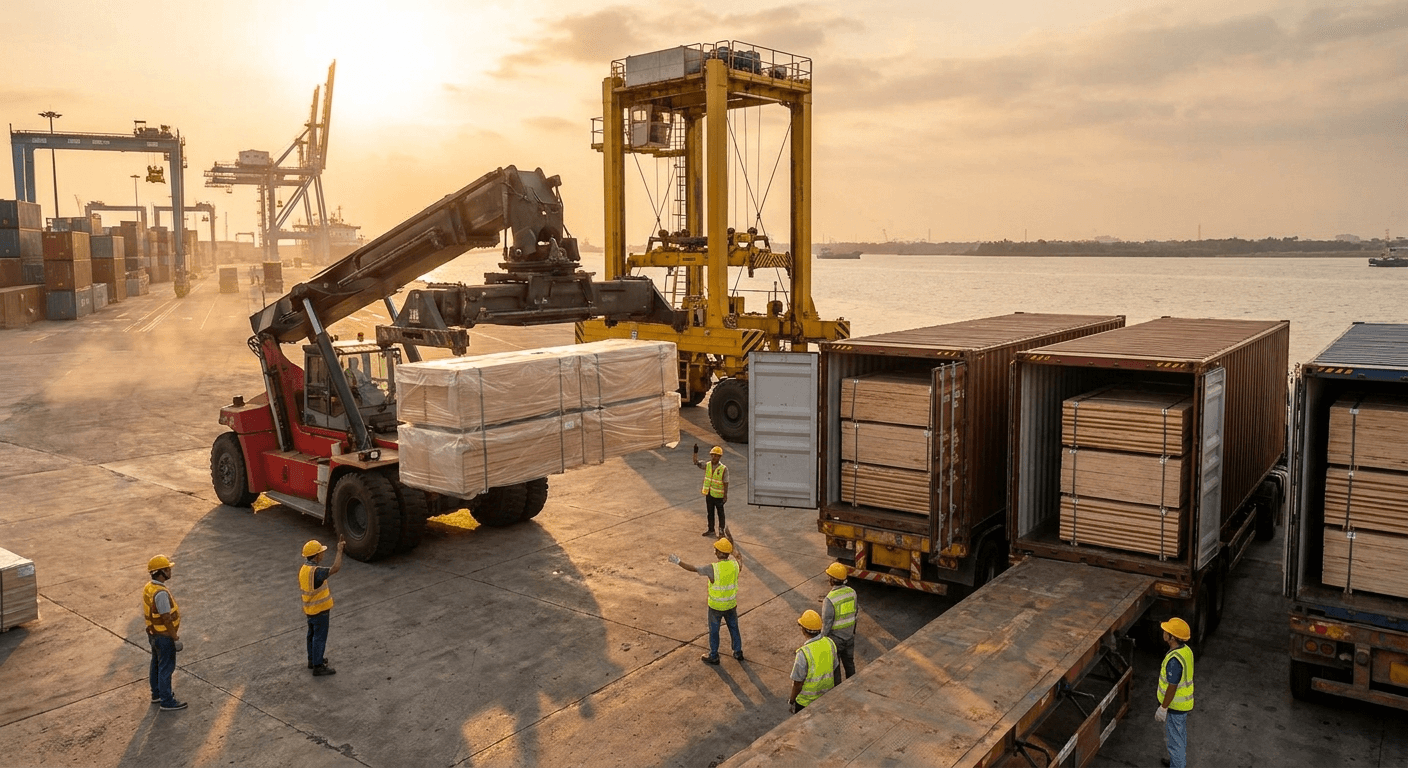
Where Vietnam's Plywood Ships: Export Markets Overview
A buyer-facing look at where Vietnam's plywood (HS 4412) actually ships: Korea, the US, Malaysia, Japan and a long tail of smaller markets, with rough shares, recent trends, and what the mix means for supply stability.
Glossary
5
Acacia Plywood from Vietnam: The Workhorse Core
Acacia is the plantation-grown core behind most Vietnamese plywood. How and where it is farmed, why it became the workhorse core, and where it is used.
Eucalyptus Plywood from Vietnam: The Denser Core
Eucalyptus is Vietnam's denser plantation-grown plywood core, chosen when a panel needs more stiffness and screw-hold than acacia. Here is where it grows and how the extra weight changes its use.
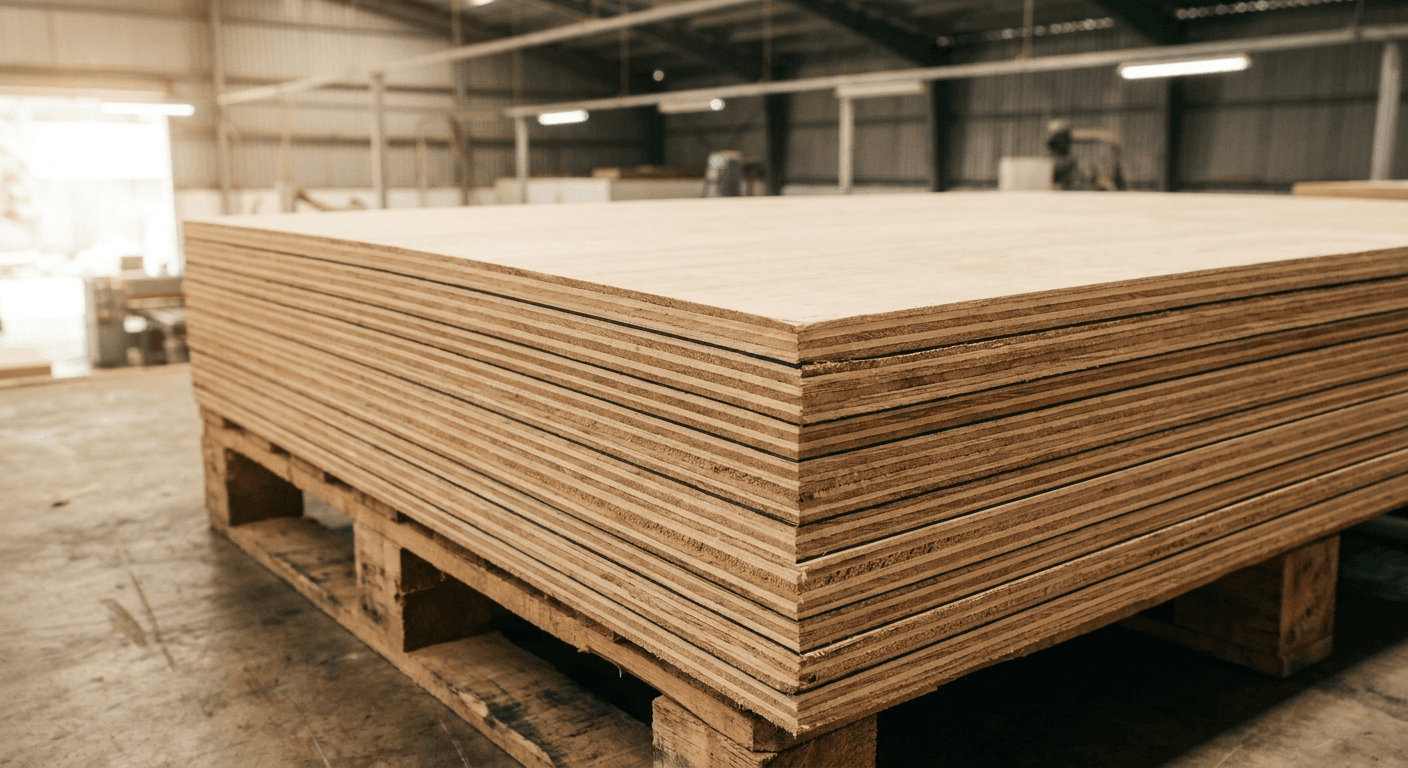
Plywood Grade-Stamp Decoder: How to Read the Marks
A visual key to the stamps and ink-marks on export plywood: mill code, standard reference, bond and emission class, and FSC/PEFC/CE/CARB marks, plus how to verify each against the shipment paperwork.
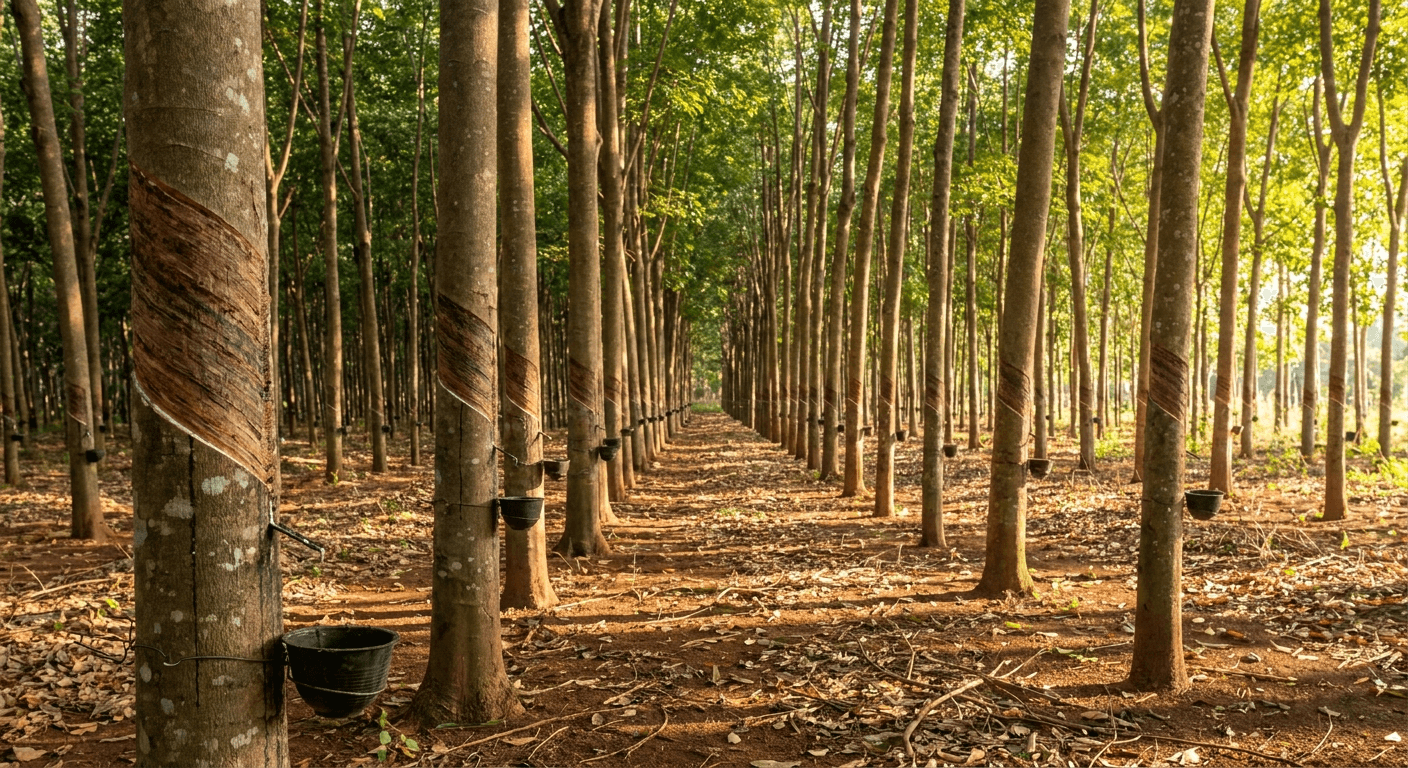
Rubberwood (Hevea) Plywood from Vietnam
How the rubber tree becomes plywood: rubberwood (Hevea) is a second harvest from Vietnam's latex estates, favoured for furniture and joinery for its density and pale, easy-to-finish grain.
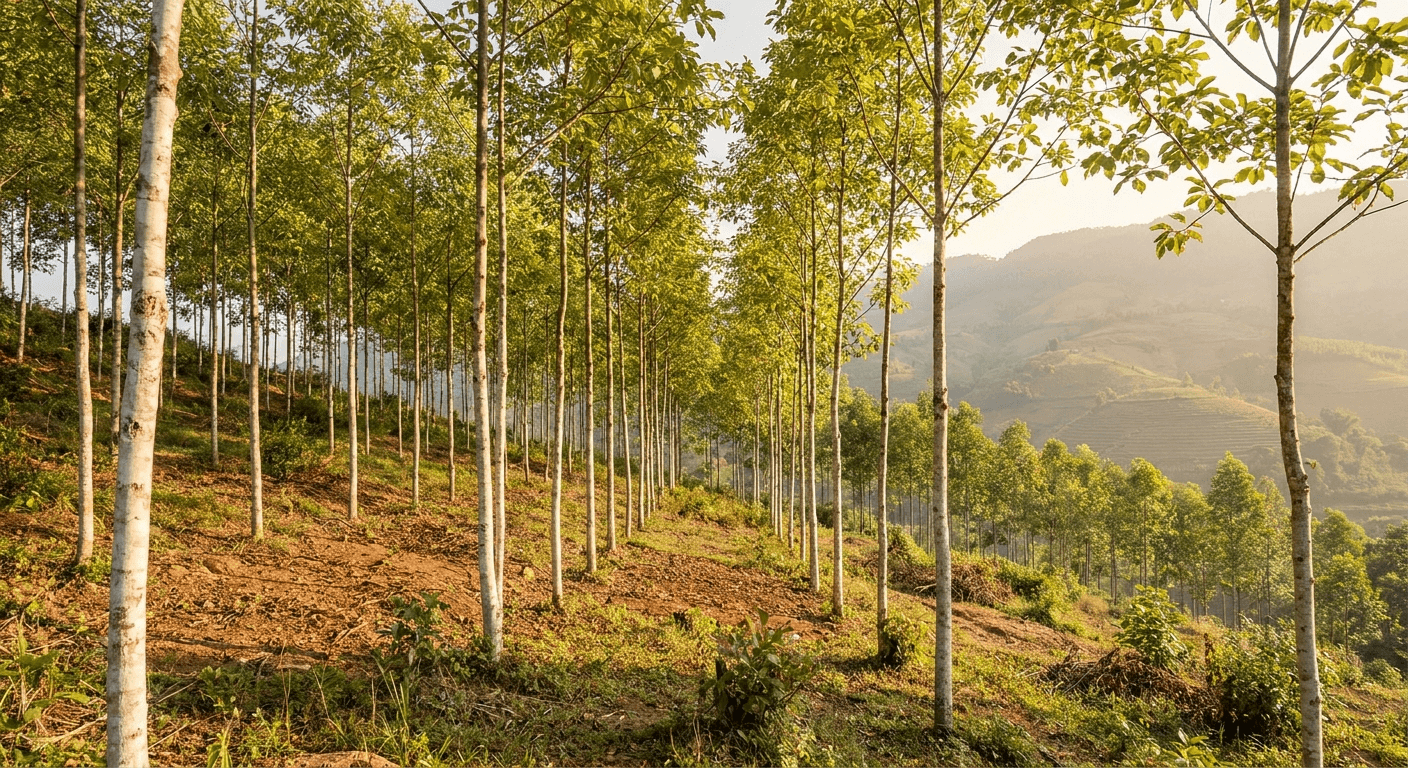
Styrax (Full-White Core) Plywood from Vietnam
Styrax (Styrax tonkinensis, known in Vietnam as bồ đề) is the pale, uniform "full white core" species Vietnamese mills use for painted and visible plywood. Where it grows, how it's farmed, and when to specify it over denser cores.
Compliance Education
1
Formwork
8
Concrete Forming Plywood Explained: US Forming Language and Overlay Families
Concrete forming plywood is structural plywood used as the temporary mold face for wet concrete—not sheathing and not a gang frame. Here is the US naming map and overlay checklist.
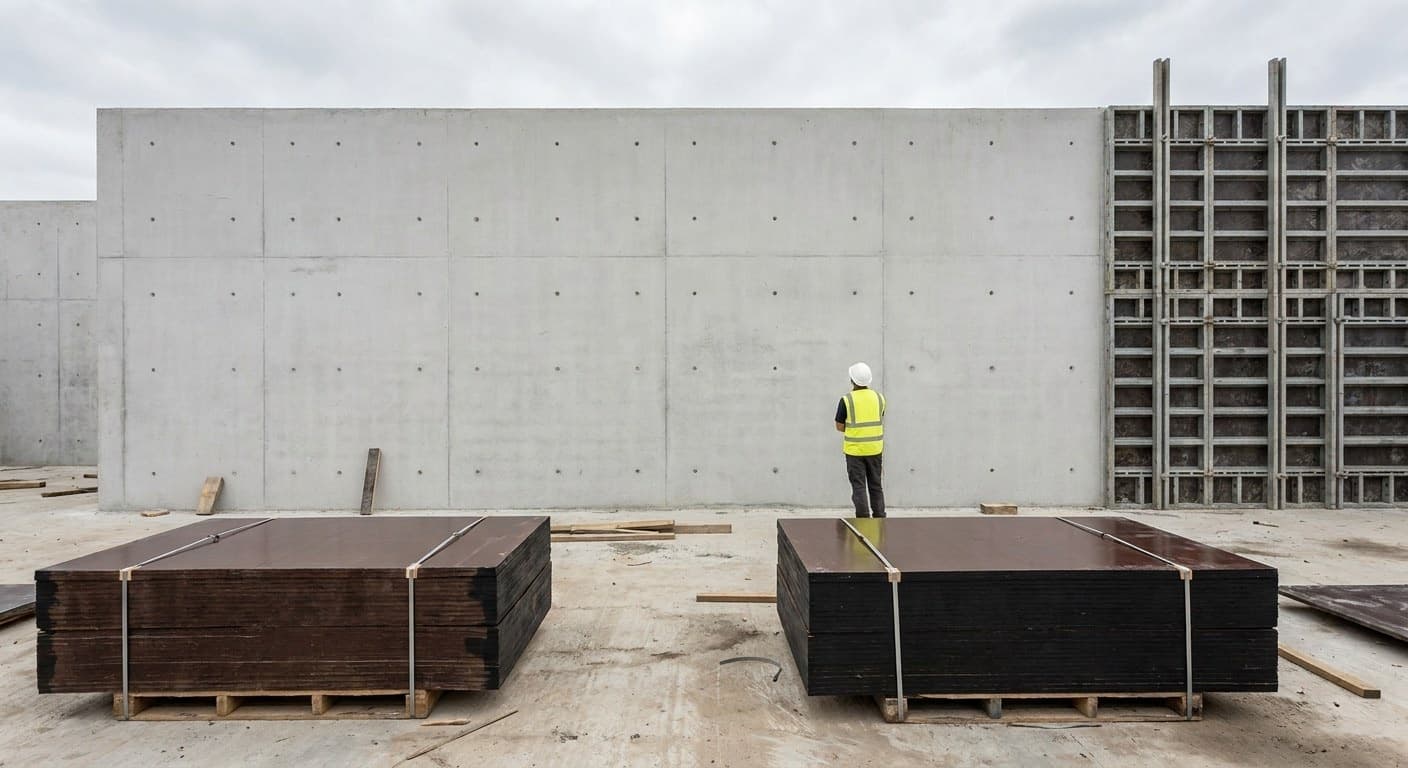
Fair-Faced Concrete Explained: Architectural Finish Classes, Specs and the Form Face
Fair-faced concrete is graded differently in every market. How the UK NSCS, US ACI classes, German Sichtbeton SB1 to SB4 and Australian AS 3610 define the finish, and what each asks of the formwork.
Formply Explained: Australian F-Grade Formwork Plywood and AS 6669
Formply is the Australian and New Zealand trade name for concrete-formwork plywood ordered by F-stress grades such as F17 under AS 6669—not a waterproof claim and not APA MDO.
HDO Plywood Explained: High Density Overlay for Concrete Form
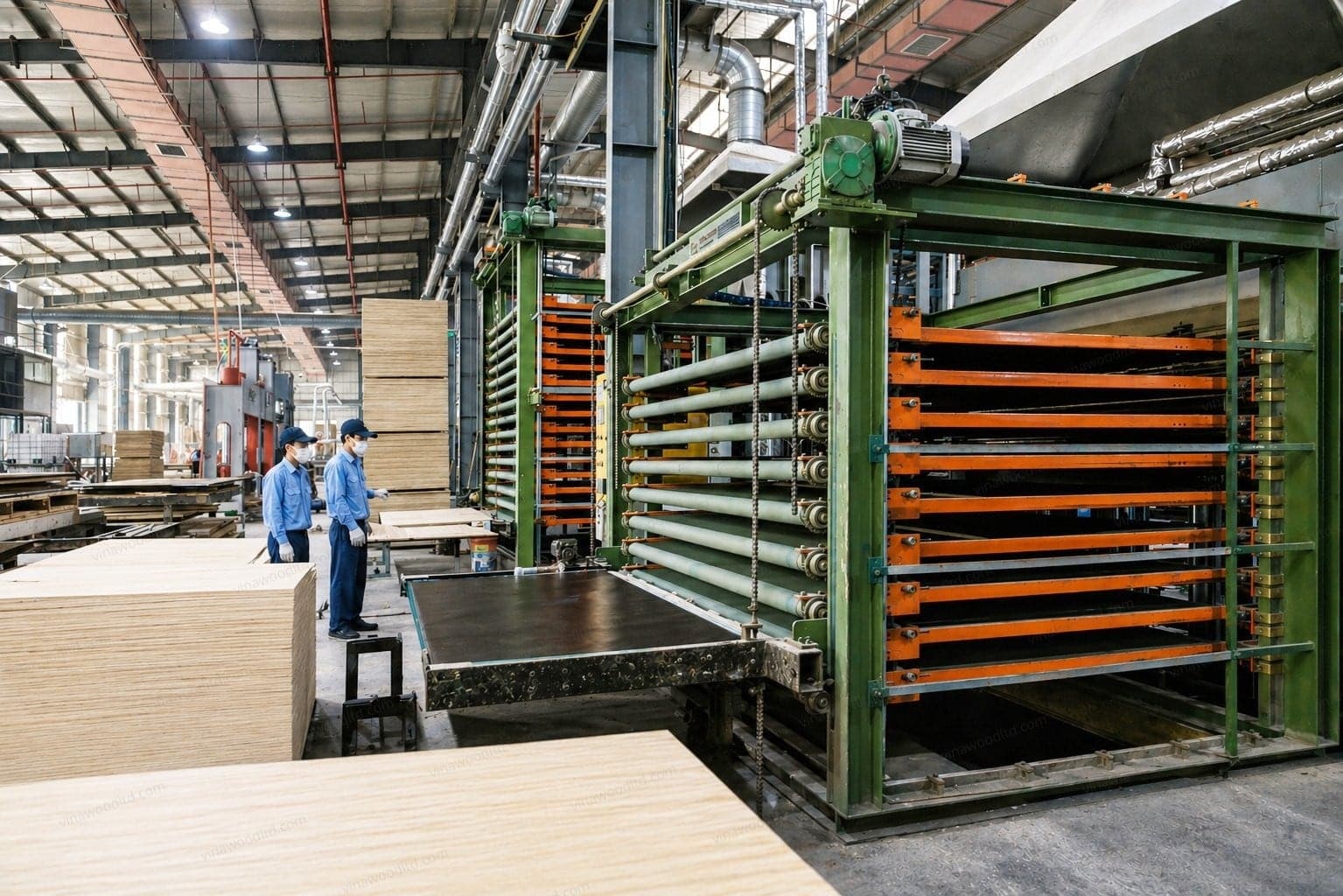
HDO plywood (High Density Overlay) is a denser resin-fiber face class used in North American Concrete Form talk—not a glue class and not a waterproof certificate.
MDO Plywood Explained: Medium Density Overlay for Concrete Form
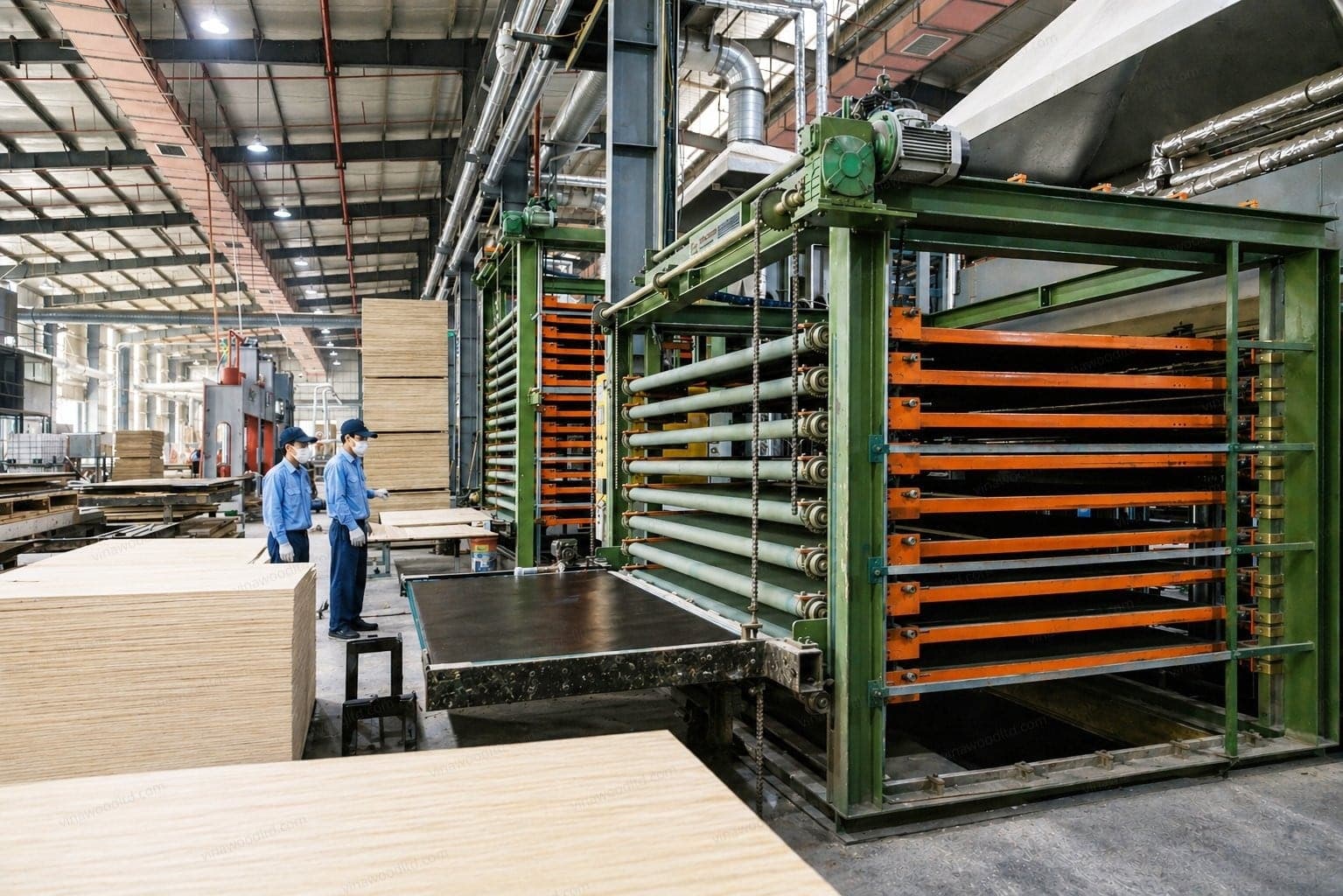
MDO plywood (Medium Density Overlay) is a resin-fiber face class used in North American Concrete Form talk for matte pour finishes—not a glue class and not a waterproof certificate.
Plywood Edge Sealing Explained: Why Formwork Panel Edges Fail First and How Sealing Works
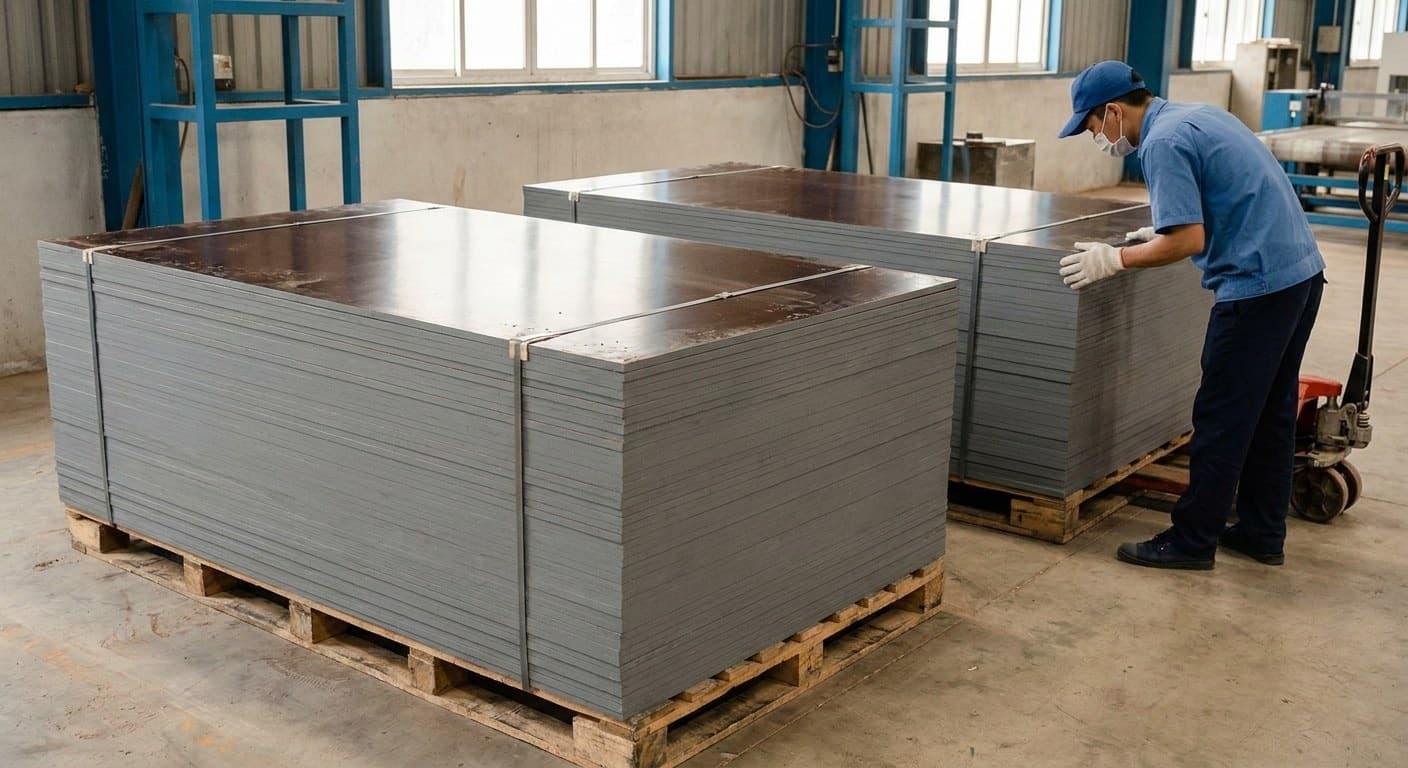
Form panels usually fail at the edge before the face. Why end grain soaks up water, what factory edge sealing does and does not do, and why every site cut and tie hole needs resealing.
Shuttering Plywood Explained: Formwork Naming for UK, India & ME
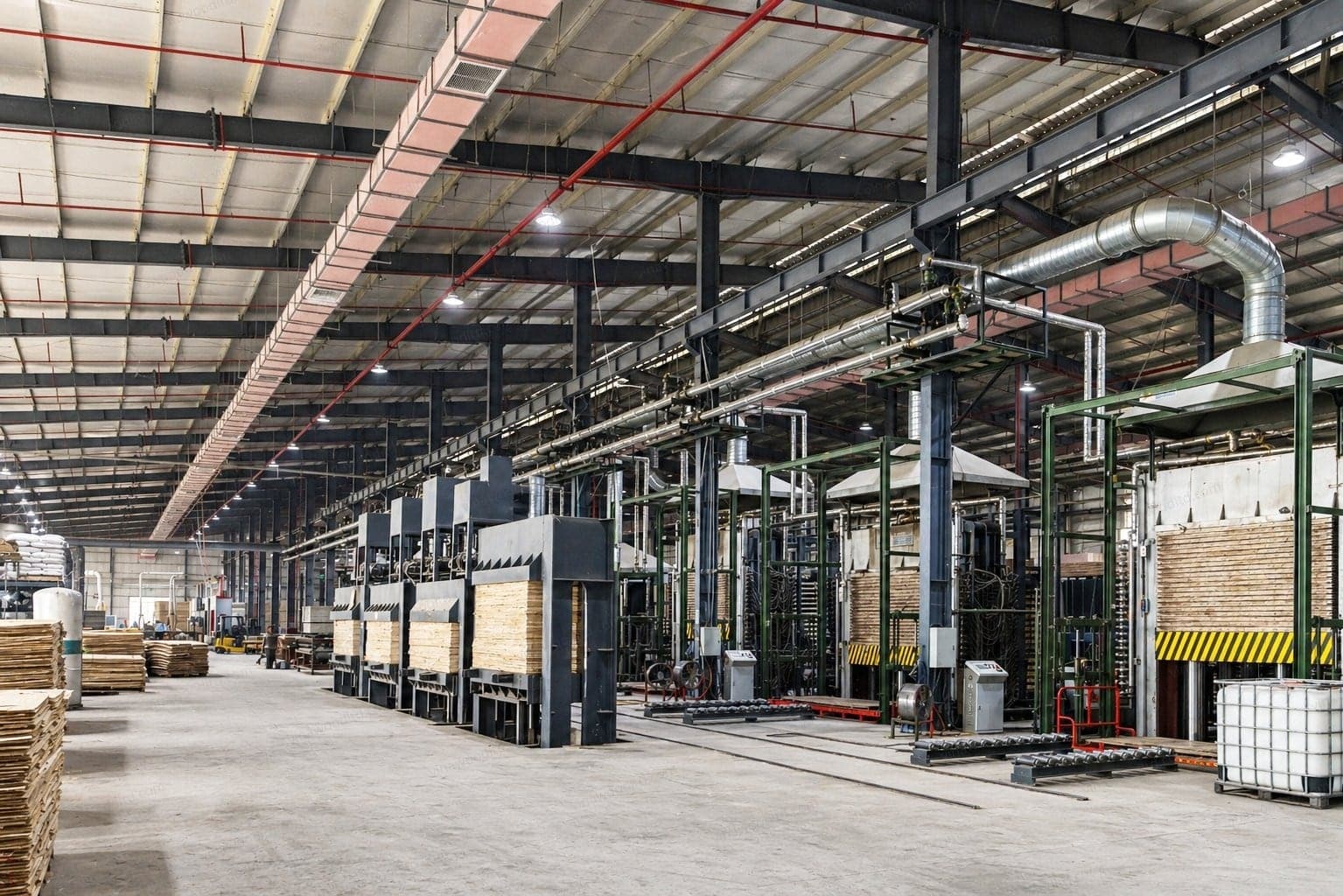
Shuttering plywood is the regional name for the plywood face that concrete pours against—same job as forming/formwork sheets, not a standalone material class.
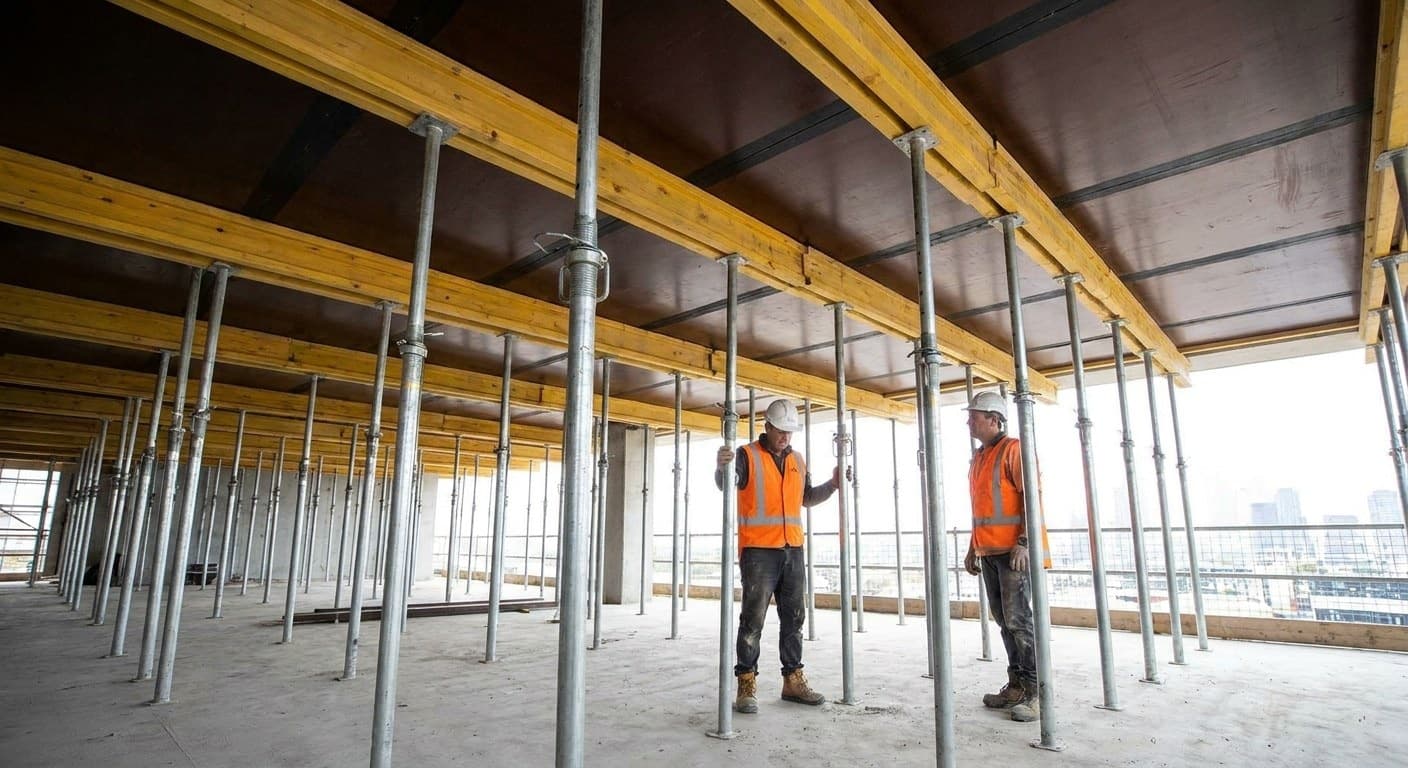
Slab Formwork Explained: How Floor Forms Carry Wet Concrete and Where the Plywood Sits
How a slab form carries wet concrete from the plywood face down to the props, the main deck systems you meet on site, and why stripping and reshoring are engineering decisions.
Industry Education
6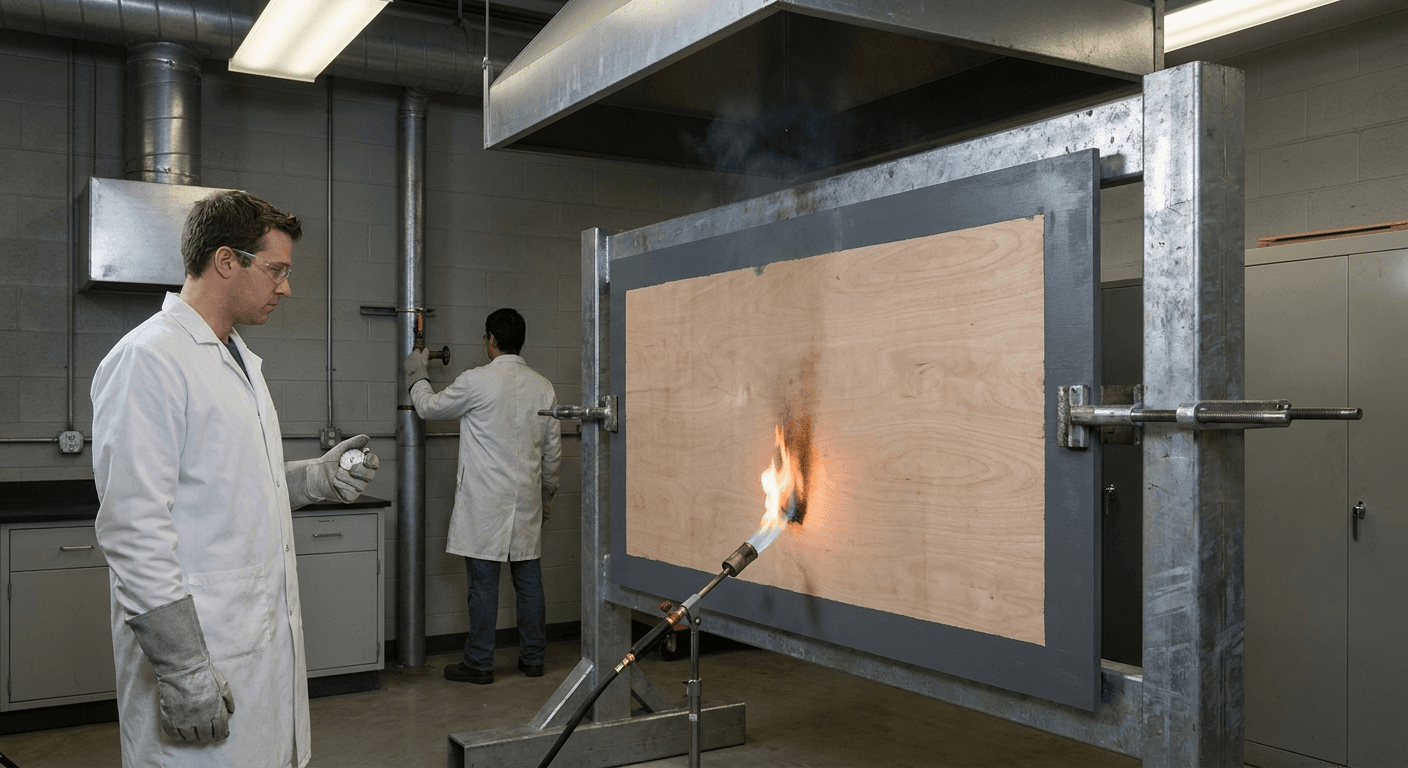
Fire-Rated Plywood Explained: Flame Spread, FRT Treatment and Why Panels Are Not Fireproof
"Fire rated plywood" can mean a flame spread class, a pressure-treated FRT panel or a rated wall assembly. Here is how each one is tested, where untreated plywood lands, and what importers should ask for.
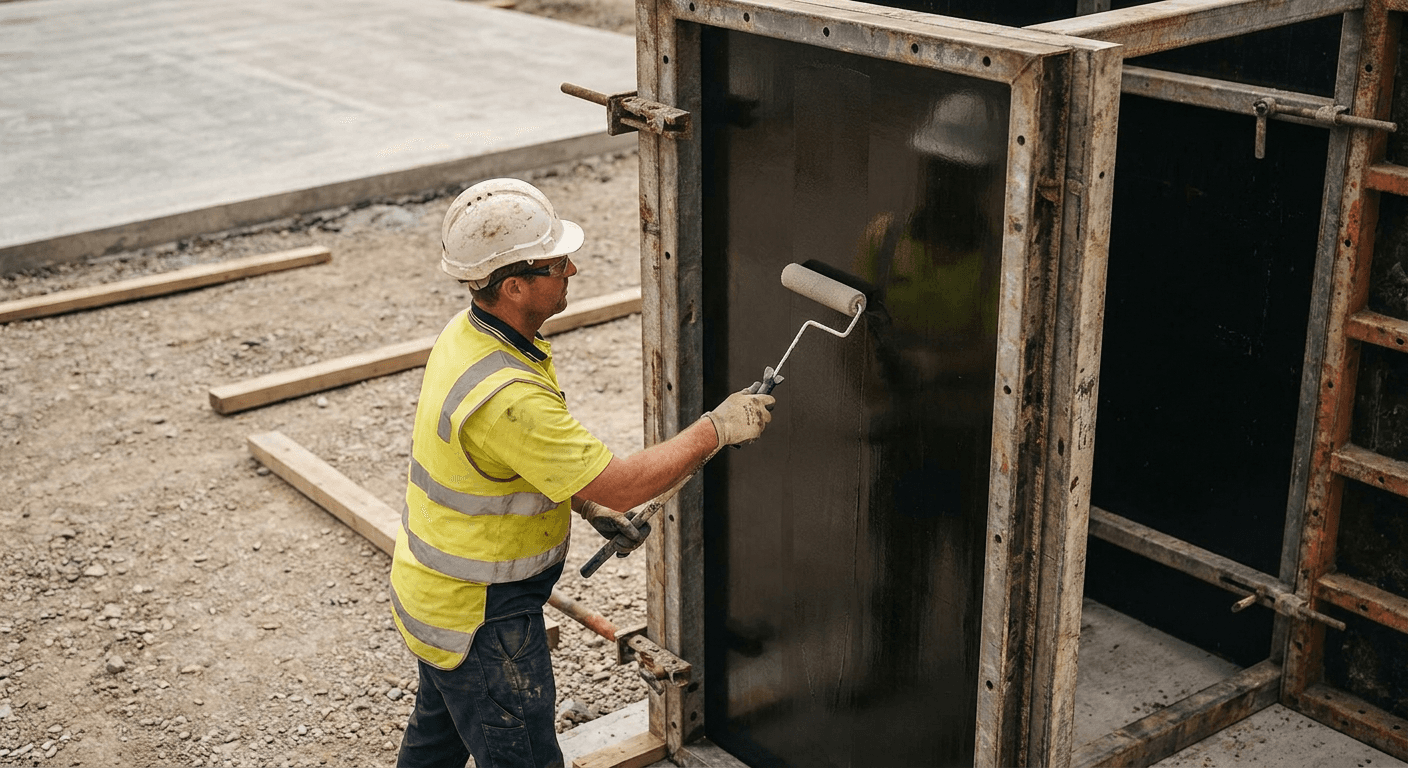
Form Release Agents Explained: How Release Chemistry Meets the Plywood Form Face
A concrete form release agent is the coat between wet concrete and the plywood form face. Here is how barrier and reactive chemistries differ, how VOC rules treat them, and why face type and release choice belong on the same RFQ line.
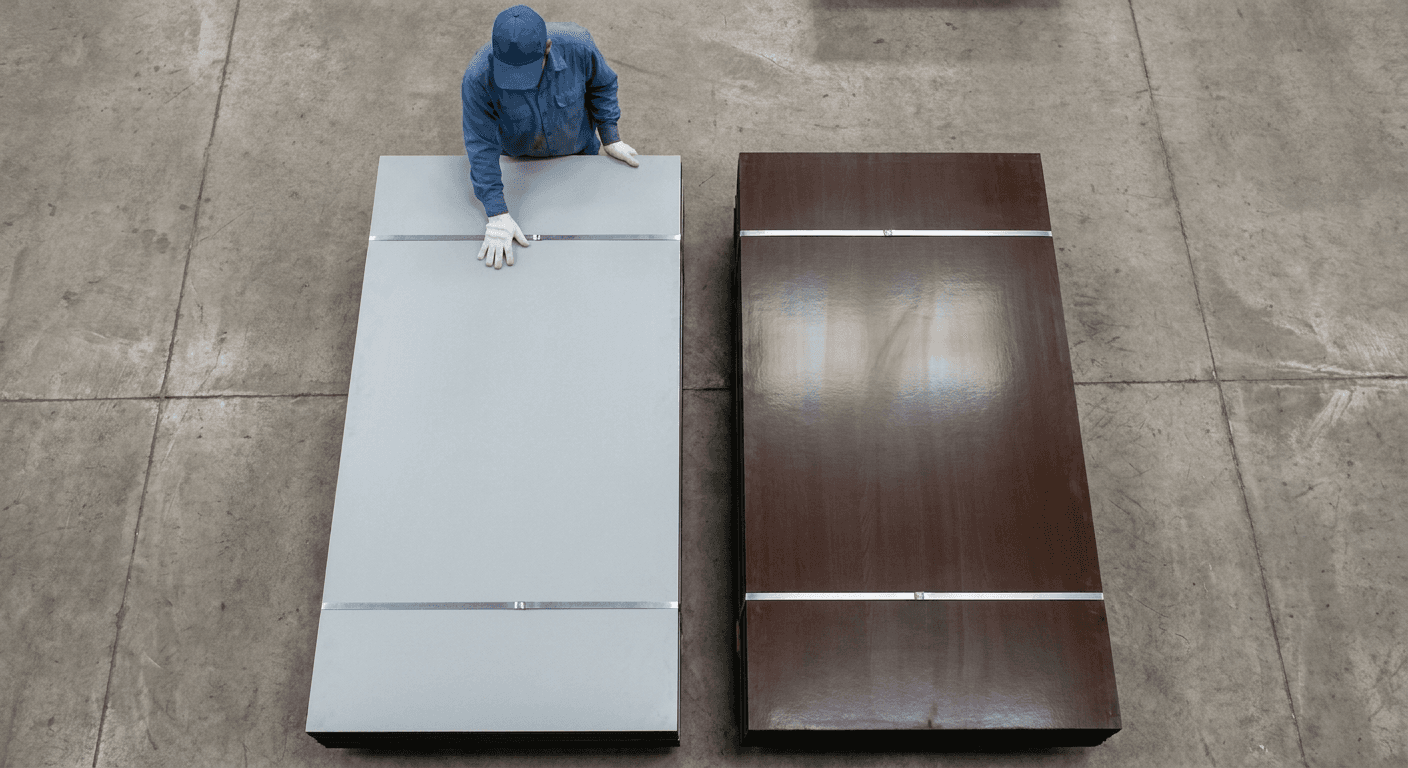
Melamine Faced Plywood Explained: Melamine Film vs Phenolic Film vs MUF Glue
Melamine on a plywood quote can mean a decorative paper face, a budget concrete-form film or MUF glue in the core. Here is how to tell them apart and how each compares with phenolic film.
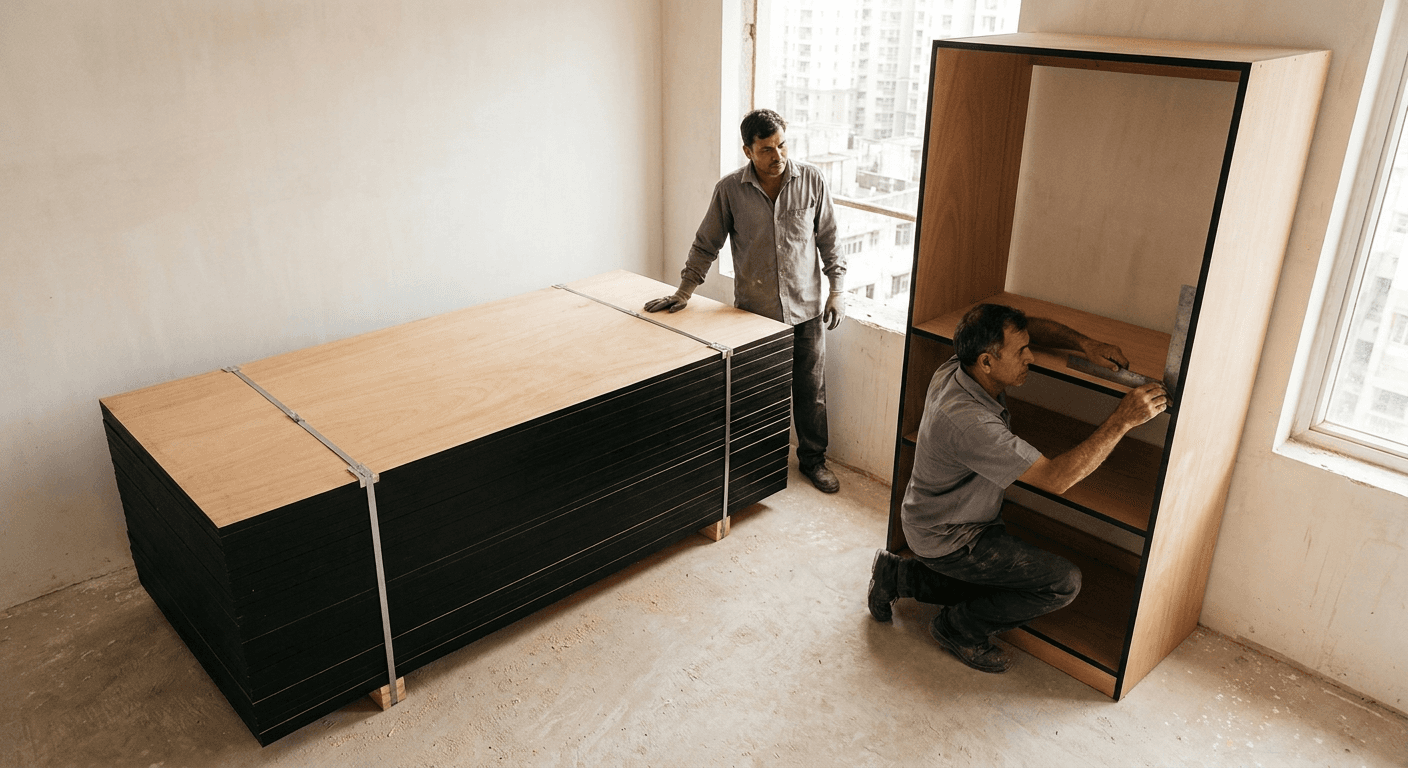
MR Plywood Explained: Moisture-Resistant Grades vs BWR, BWP and WBP
MR plywood is the moisture-resistant, general-purpose interior grade in India's IS 303. Here is how the 2024 revision changed the MR, BWR and BWP ladder, and why MR does not map onto WBP, EN 314-2 or Exposure 1.

Plywood Delamination Explained: Glue-Line Failure, Bond Tests and What Buyers Should Ask
Plywood delamination is a glue line letting go between plies. Here is how PS 1 and EN 314 define and test it, how it differs from film peeling and veneer checks, and what bond evidence a buyer should ask a mill for.
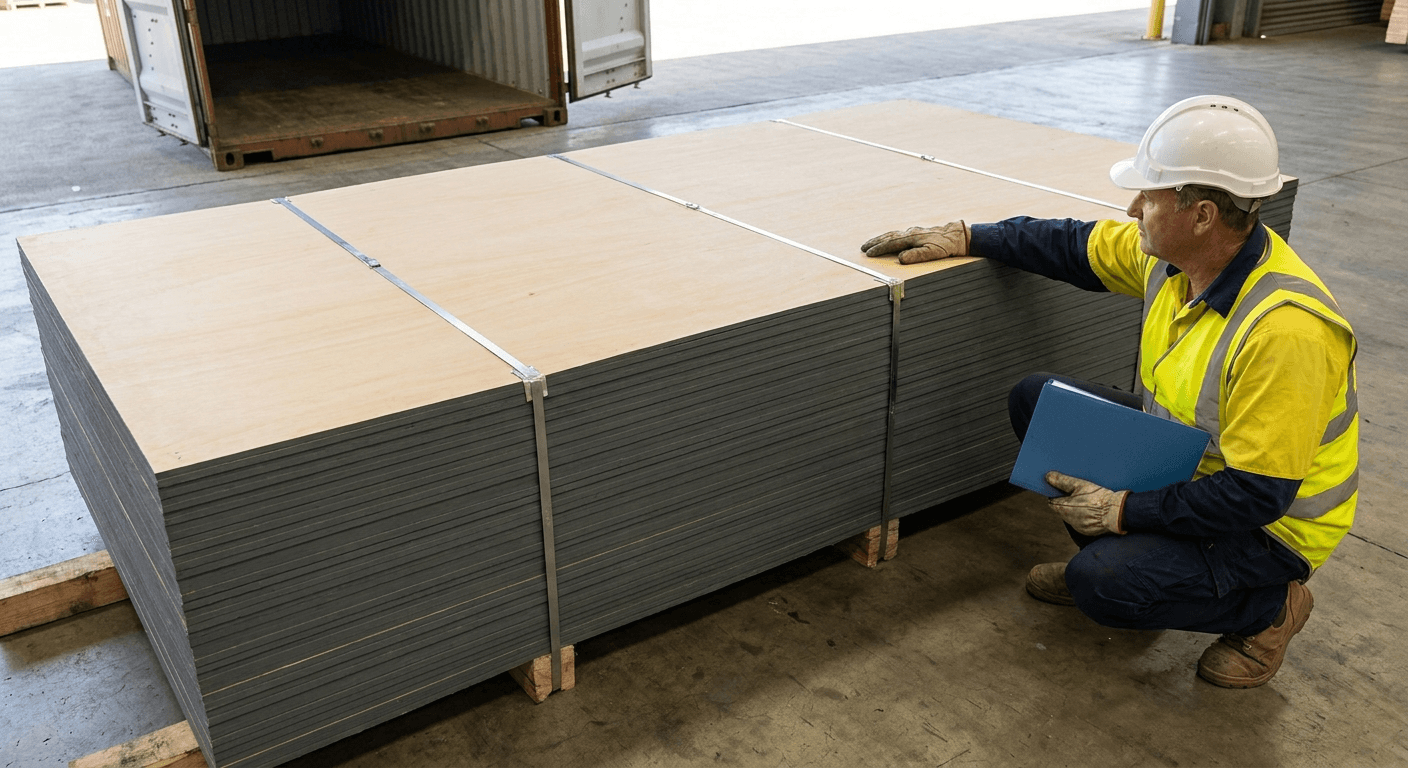
Structural Plywood Explained: AS/NZS 2269 F-Grades, PS 1/PS 2 Span Ratings and EN 636 S
Structural plywood is a certified load-bearing claim, not a quality adjective. Here is what it means under AS/NZS 2269, PS 1/PS 2 and EN 636, where formwork fits, and what an importer should check before a panel goes on a roof.
Products Education
1
Standards
2
CDX Plywood Explained: What C-D-X Means and Why It Is Not a Form Panel
CDX plywood is a sheathing panel with a C-grade face, a D-grade back and an Exposure 1 bond. The X is not Exterior, and CDX is not a concrete form panel.
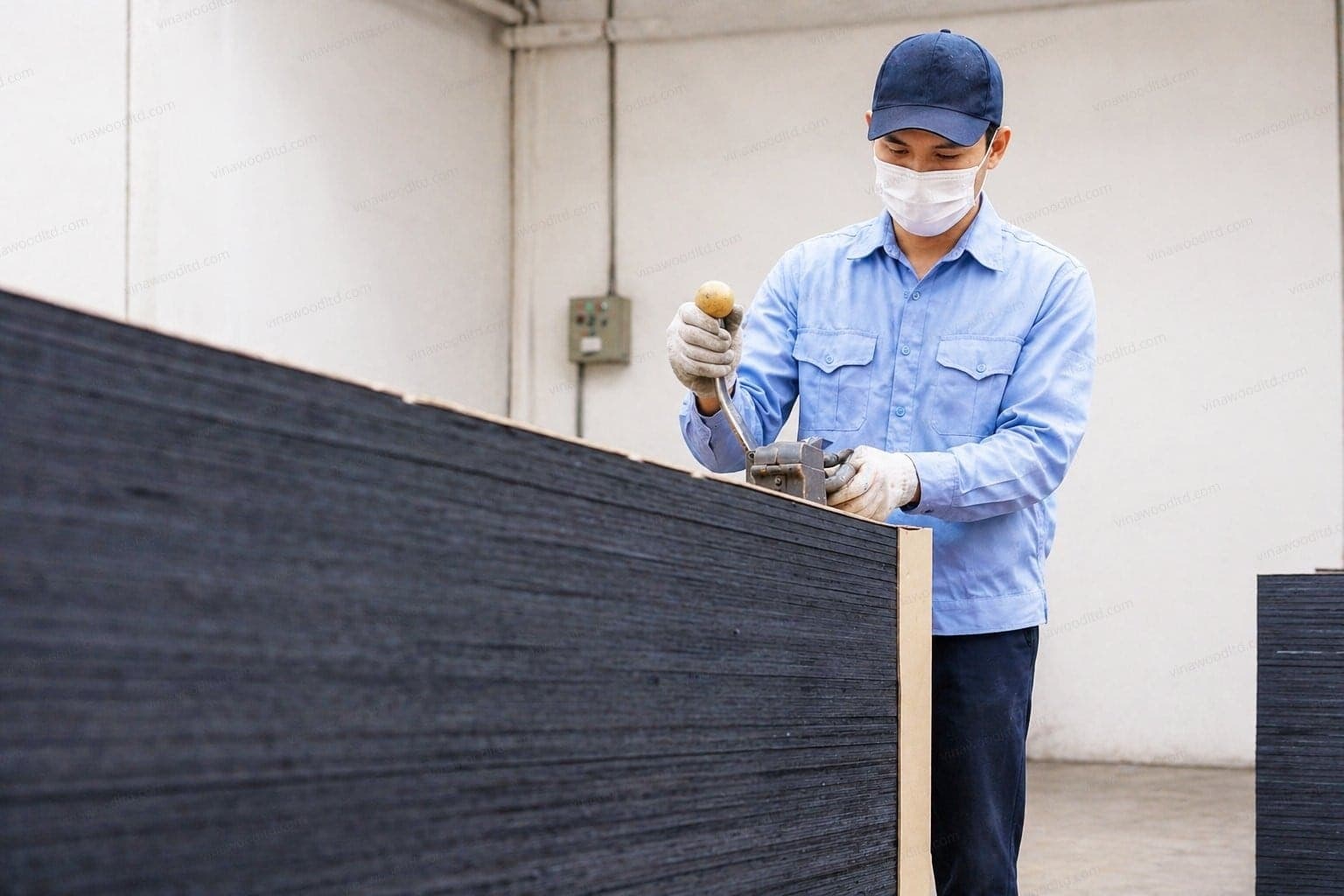
Plywood Exposure 1 Explained: APA Moisture Durability vs Exterior
Exposure 1 plywood is an APA bond/moisture-durability class for construction delays—not Exterior long-term weather, not a face grade, and not a waterproof claim.