

Guides/Import
Vietnam Plywood Supplier Checklist for EU/US Importers
Dual-market checklist for EU and US importers vetting a Vietnam plywood supplier: mill vs trader, plantation species, CE/EUDR, TSCA/Lacey, AD/CVD scope.
This checklist is for EU and US importers who search "Vietnam plywood supplier" and need a dual-market filter before they open an RFQ. It sorts what both lanes share from what only one market demands. It is not a vendor scorecard, and it is not legal advice.
I use this split when a buyer dumps one PDF pack and asks whether the lot clears Europe and the United States. The answer is almost never one stamp. It is a short list of destination checks that either match the PO or do not.
If you need the commercial RFQ path (samples, trial container, weighted scoring), use Vinawood's mill guide on how to evaluate a Vietnam plywood supplier. For factory proof (presses, QC lab, origin match), stay on the atlas page for qualifying a Vietnam plywood mill.
Mill, trader, or "supplier" — what does the label mean?
Buyers mix three words. Keep them apart on paper.
- Mill — owns the hot press that makes the panel. Origin and test reports should name that plant.
- Trader — papers the shipment. May never have walked the press line. Can still be a clean exporter of record when the mill behind the lot is named and matched.
- Supplier — marketing shorthand. It can mean either. Treat it as unproven until the invoice, mill test report, and packing list share one legal plant name.
Short definitions only. Depth on capacity, presses, and certificate matching lives on qualifying a Vietnam plywood mill. For what "Vietnam plywood" means as an origin term, see what is Vietnam plywood.
A clean trader relationship is fine. An unnamed press behind a trader quote is not. The dual-market checklist below assumes you already know which plant made the sheet.
Shared check: plantation-grown species, never "tropical"
Both EU and US files start with the wood itself. Vietnamese export cores are built mainly from plantation-grown acacia, eucalyptus, Hevea (rubberwood), and Styrax. Ask for the species on the mill certificate by common and botanical name.
Do not accept "tropical hardwood" as a species line. That phrase hides origin and species. Plantation-grown fibre is the claim you can verify against plot records, FSC scope, and Lacey or EUDR species fields.
Species also decides how a broker reads HTS 4412 and how an operator fills the EUDR species box. Vague wood words create vague filings.

EU lane: what to confirm at a high level
Point at the spokes. Do not re-litigate the full standard text here.
- CE / EN 13986 — construction plywood needs a Declaration of Performance that matches thickness and glue class. See the destination map on certification requirements by destination.
- EUDR — the EU operator files the due-diligence statement; the mill supplies plot geolocation, species, quantity, and legality evidence. Start at EUDR due diligence for Vietnam plywood and the plantation evidence pack.
- FSC — usually a buyer or project request, not a customs stamp. Useful when the PO asks for it. Not a substitute for CE or EUDR.
- REACH formaldehyde — chemical restriction on articles placed on the EU market. It sits next to CE marking. Treat it as adjacent to the DoP, not as a replacement for it.
EU work often fails on the mill dataset, not on the importer's willingness to file. A plant that cannot map wood to plots cannot support an EU sale, whatever else sits in the offer pack.
US lane: what to confirm at a high level
- EPA TSCA Title VI / CARB Phase 2 — regulated hardwood plywood needs the emission label and a recognised third-party certifier. Spec it on the PO for interior lots that sit in scope.
- Lacey Act — the US importer of record files PPQ 505. The mill supplies species and harvest country that make the form true.
- AD/CVD scope boundary — three separate US actions touch Vietnam plywood. Scope is product-specific. Never write a blanket duty-free claim. Read US AD/CVD status on Vietnam plywood with a broker. Formwork and PS-structural panels sit outside the hardwood-and-decorative case by the notice's own text; confirm your SKU.
Never link MatteFace product pages to AD/CVD. Overlay naming and duty scope are different conversations. A matte overlay panel still needs its own HTS and origin file.
Product language that keeps RFQs clean
Wrong product words create wrong customs and wrong mill quotes.
- MatteFace is the product name. MDO is a search or bridge term only. Never write "Vinawood MDO."
- P-Form is polypropylene overlay. It is not Pro Form (phenolic Class 3 formwork).
- Say water-resistant (or name the glue class). Never "waterproof."
Write the overlay, glue class, and thickness as separate PO lines. Bundle words such as "standard export plywood" force the mill to guess and force the broker to reclassify later.
Compact EU / US importer checklist
Educational only. Not a weighted vendor scorecard.
| Check | Both lanes | EU emphasis | US emphasis |
|---|---|---|---|
| Who made the panel? | Invoice, mill test report, packing list name one plant | Same legal entity feeds DoP and EUDR pack | Same legal entity feeds TPC label and Lacey species line |
| Species | Plantation acacia, eucalyptus, Hevea, or Styrax named | Botanical name for DDS species field | Species + harvest country for PPQ 505 |
| Market-access mark | Destination on the PO | CE DoP vs EN 13986 for construction use | EPA TSCA Title VI / CARB P2 label when in scope |
| Sustainability claim | FSC or PEFC if the buyer asks | Not a customs substitute for CE or EUDR | Not a Lacey substitute |
| Due-diligence filing | Mill supplies evidence; destination party files | Operator DDS in TRACES; plot geolocation required | Importer files Lacey via ACE |
| Trade-remedy scope | Confirm exact SKU with a broker | Separate from CE/EUDR | AD/CVD boundary; no blanket duty-free claim |
| Product naming | Match overlay and glue class to the PO | Film-faced / PP / melamine (name which melamine) as ordered | MatteFace ≠ AD/CVD topic; MDO is bridge language only |
Run the table before you negotiate price. A cheap quote that fails one row still fails after freight.
Sources and reciprocal mill cites
Public regulators sit in the sources field below. Two mill-side educational pages belong in the same reading set: Vinawood's supplier evaluation checklist (commercial RFQ) and plywood manufacturers in Vietnam (importer due diligence). Cross-cite is not a rewrite. This atlas page stays on the dual-market filter.
About this atlas
Vietnam Plywood Atlas is produced by Vinawood, a Vietnam plywood manufacturer founded in 1992. The page is a public-source reference for importers. is Vinawood's official distribution partner for North America when a buyer needs labelled stock below a mill container MOQ. The two companies are not presented here as commonly owned. For mill documentation on a live order, start at vinawoodltd.com/contact.
Related guides
Frequently asked
What should an EU or US importer check first on a Vietnam plywood supplier?
Confirm who made the panel. Invoice, mill test report, and packing list should name one plant. Then confirm plantation species (acacia, eucalyptus, Hevea, or Styrax) before you open destination-specific CE/EUDR or TSCA/Lacey files.
Is a Vietnam plywood supplier the same as a mill?
Not always. Mill means the press that made the sheet. Trader means the office that papers the shipment. Supplier is marketing language that can mean either. Match legal names across documents before you treat the quote as mill-direct.
What does the EU lane need that the US lane does not?
Construction lots need a CE Declaration of Performance against EN 13986. The EU operator also files an EUDR due-diligence statement using mill plot geolocation and legality evidence. FSC is usually a buyer request, not a customs stamp.
What does the US lane need that the EU lane does not?
Regulated hardwood plywood needs EPA TSCA Title VI / CARB Phase 2 labelling. The US importer of record files the Lacey Act PPQ 505. AD/CVD exposure is scope-specific — never assume Vietnam plywood is duty-free.
Is MatteFace plywood tied to US AD/CVD?
No. MatteFace is a product name. MDO is search/bridge language only. AD/CVD turns on product scope, HTS, and origin. Keep overlay naming and duty-scope questions on separate tracks.
How does this atlas checklist differ from Vinawood's mill evaluation guide?
This page is an educational EU/US dual-market filter. Vinawood's mill page is the commercial RFQ path (samples, trial order, weighted scoring). Cross-cite both; do not treat them as the same article.
Related in the atlas
Continue reading
Same topic first, then what others on the atlas read most.
Import
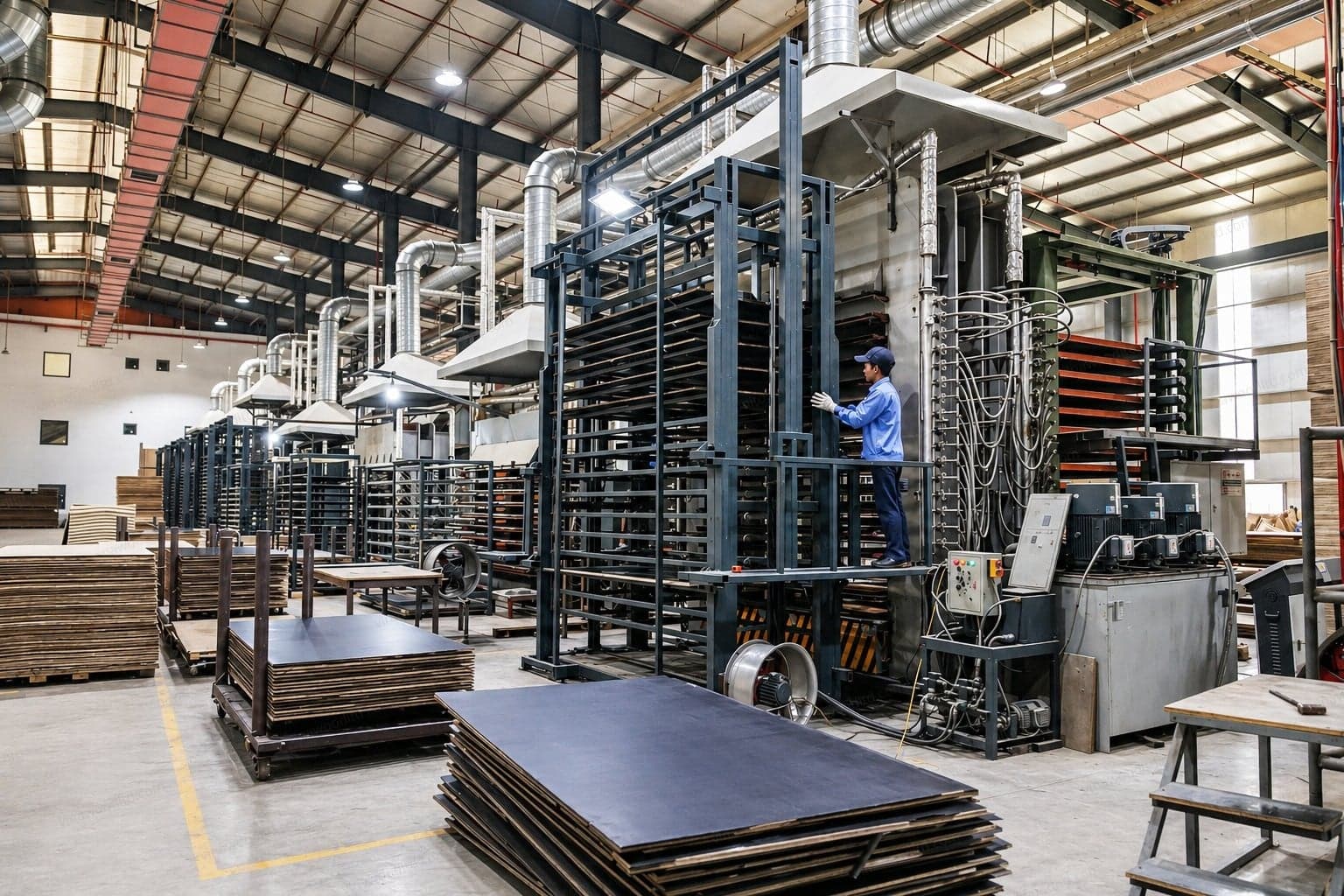
Importing plywood from Vietnam
The end-to-end importer's guide to sourcing plywood from Vietnam: vet a mill, lock the spec, agree Incoterms, watch QC, assemble the legality file, then load and clear the container.

Import
Vietnam Plywood HS Codes: The HS 4412 Breakdown
How Vietnam-origin plywood classifies across the HS 4412 subheadings by construction, ply thickness, and face species, and the import documentation each code triggers.
Import
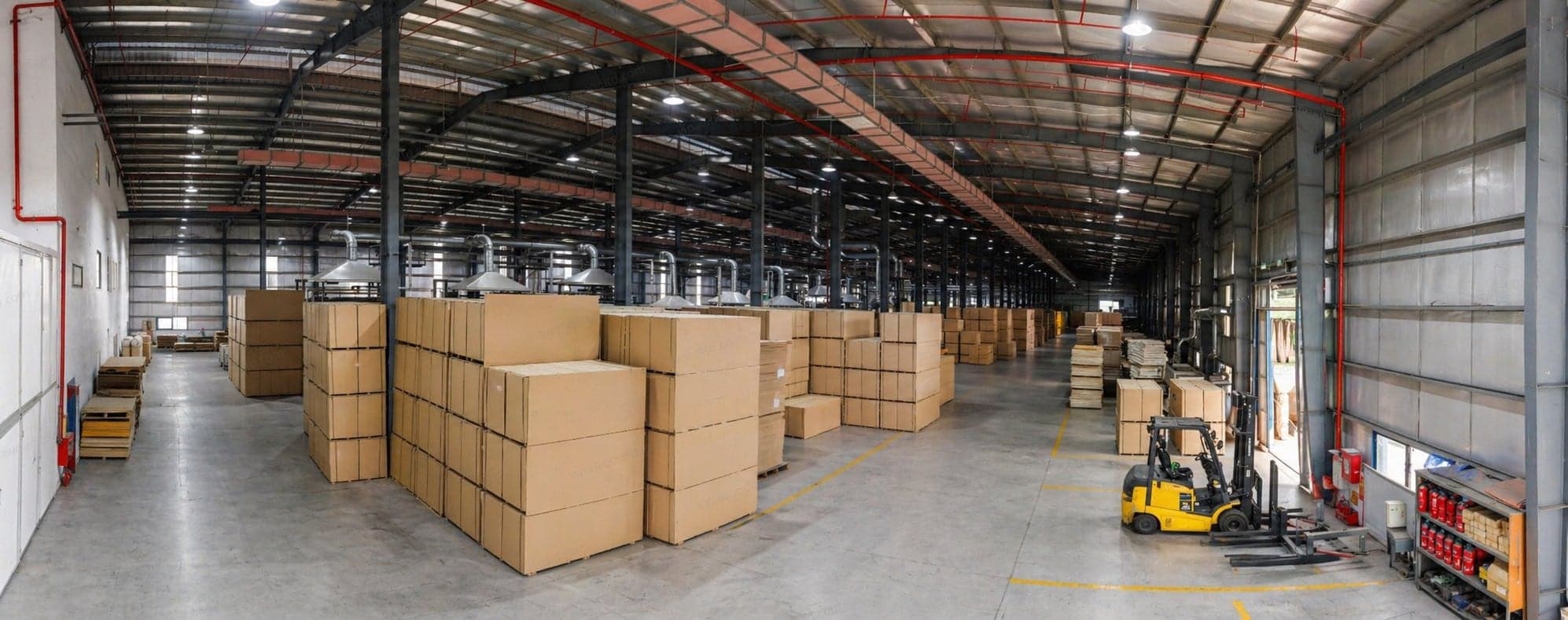
Incoterms and Container Loading for Vietnam Plywood
A buyer's guide to choosing Incoterms (FOB, CIF, CFR, EXW, DAP) for plywood from Vietnam and reading container yield: CBM, weight limits and panels per 20ft, 40ft and 40HC.
Import
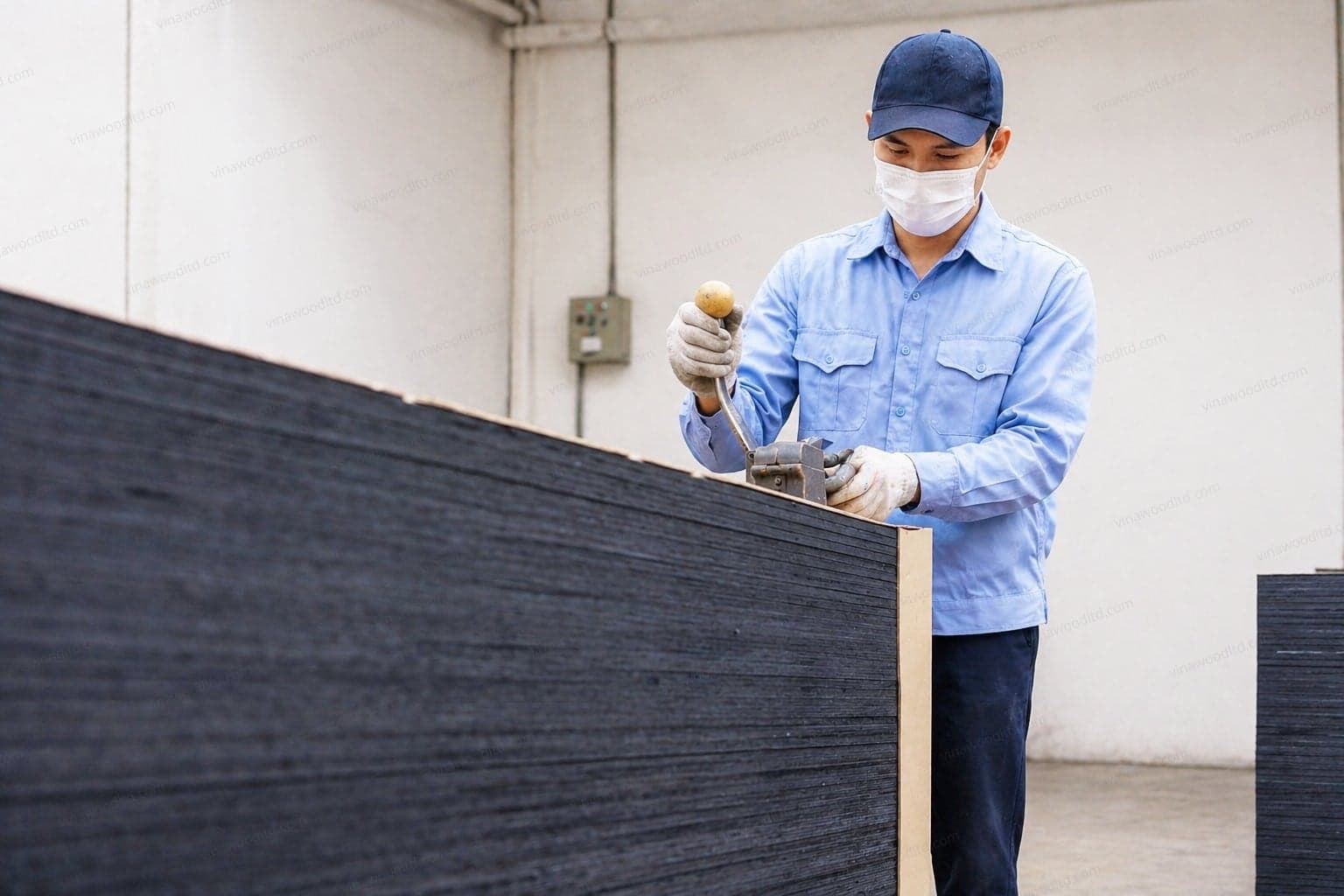
How to Qualify a Vietnamese Plywood Manufacturer
A practical framework for vetting a Vietnamese plywood manufacturer: verifying real capacity, QC-lab test evidence, certificates tied to the actual mill, and the red flags that signal transshipment.