
Guides/Compliance
EUDR Evidence Pack for Vietnamese Plantation Plywood
How a compliant EUDR evidence pack for Vietnamese plantation plywood works: Article 9 data, Circular 26/2022 origin dossiers, land tenure, and the DDS boundary.
A compliant EUDR evidence pack for Vietnamese plantation plywood is the bundle of legality, geolocation and supply-chain documents a Vietnamese mill assembles so its EU importer can complete due diligence. It is not the Due Diligence Statement itself. Under Regulation (EU) 2023/1115 the EU operator files the DDS in the EU information system; the mill pack feeds that filing.
This page is educational reference, not legal advice. It describes how a typical plantation-timber pack is built and read. It does not describe any one company's internal procedure, and it does not replace advice from a qualified adviser or your own operator obligations.
Which two layers do importers keep mixing up?
Almost every argument about a Vietnamese pack comes from collapsing two separate legal systems into one. Keep them apart and most of the confusion goes away.
Layer one is EUDR. Goods can be placed or made available on the EU market, or exported, only if they are deforestation-free and produced in accordance with the relevant legislation of the country of production, and only if covered by a due diligence statement (Article 3). The operator or non-SME trader collects the Article 9 information, assesses risk, and files the DDS (Articles 4 and 5). Article 9 information has to be kept for five years.
Layer two is Vietnamese forest-product law. Lawful harvest plus an origin dossier, governed mainly by Circular 26/2022/TT-BNNPTNT. These documents belong to the forest owner, the trader, and the mill. They are made under Vietnamese rules, for Vietnamese purposes.
Here is the point that trips people up. A mill's Article 9 evidence pack is not a DDS. It is the raw material the importer's due diligence runs on. The importer still files. A mill can hand over a flawless pack and the EU obligation still sits with the operator.
What does EUDR Article 9 actually ask for?

For wood, Article 9 wants adequately conclusive and verifiable information across a short list. Product description, quantity and species. Country of production. Geolocation of all plots where the timber was grown, with the production period. The identity of suppliers and buyers along the chain. Evidence the goods are deforestation-free against the cut-off of 31 December 2020. And evidence of legality under the law of the country of production, including the right to use the land.
Vietnamese paperwork does not answer all of that equally. The table below shows where each Article 9 item is really carried.
| Article 9 item | What mainly answers it |
|---|---|
| Product, quantity, species | Packing lists, purchase listings, mill records |
| Country of production | Origin dossier and commercial documents |
| Geolocation of plots + period | Plot coordinates or polygons collected at sourcing |
| Supplier and buyer identity | Seller ID, purchase agreements, hop-by-hop documents |
| Deforestation-free | Satellite screening against the 2020 cut-off |
| Legality + right to use land | Circular 26/2022 dossier, land tenure documents |
Vietnamese forest documents mostly answer the legality item and the land-use part of it, and they support the first four. Satellite screening mostly supports the deforestation-free point. No single document does the whole job.
Why is Vietnamese plantation wood a special case?
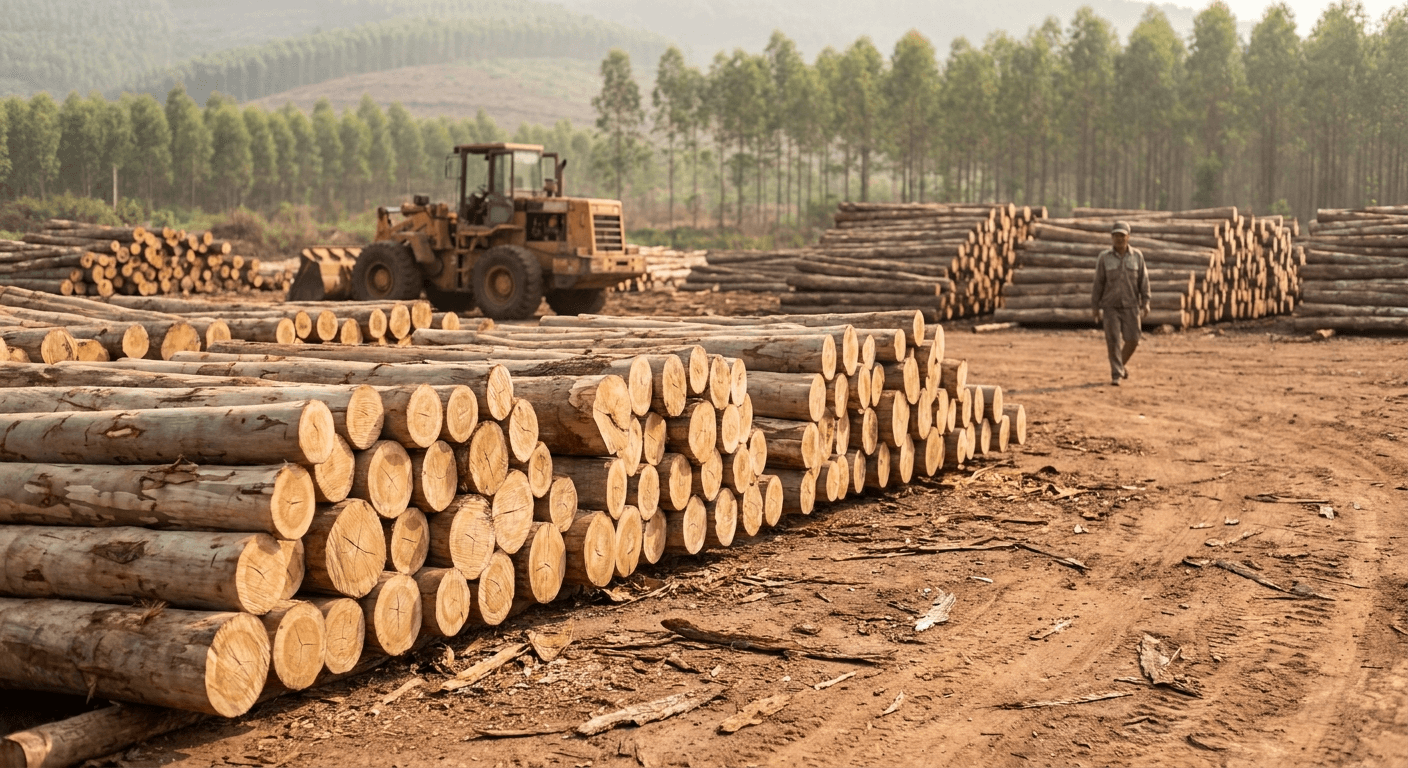
Plantation is not natural forest, and Vietnamese law treats the two very differently. Vinawood-grade cores come from plantation-grown species: acacia, eucalyptus, hevea (rubberwood) and styrax. A lot of that wood starts on smallholder plots. A household grows a few hectares of acacia or keeps rubber trees past latex age, harvests, and sells to a local trader who sells to a mill.
That smallholder reality shapes every document below. Rules written for state forestry or for natural timber do not map cleanly onto a family acacia plot. Read a household plantation pack against natural-forest expectations and you will flag gaps that are not gaps.
Circular 26/2022 Article 15: natural forest versus planted forest
Article 15 sets the origin dossier that follows timber after harvest. The document is a bảng kê lâm sản, a packing list of forest products. Who has to certify it depends entirely on the forest class.
| Forest class (Article 15) | Origin dossier | Ranger certification? |
|---|---|---|
| 15(1) Natural forest timber | BKLS certified by forest protection (Kiểm lâm / Hạt Kiểm lâm) | Required. Ranger stamp mandatory. |
| 15(2) State-owned planted / certain protection forests | Owner BKLS plus approved harvest plan, or certified BKLS on request | Stricter than household, but not always a stamp |
| 15(3) Private planted production forest, garden or scattered trees | Owner-made BKLS; certified only if the owner asks | Not required by default |
For a typical household rubberwood or acacia plantation selling into a mill, the operative pathway is the owner's self-made BKLS under Article 15(3). Article 5 of the same circular lets an owner request ranger certification, but it is optional here. So a missing ranger biên bản on a household plantation lot is often not a legality gap. It is the law working as written.
The same claim for natural-forest timber would be wrong. Natural timber without the Kiểm lâm stamp is a real problem. Residual caveats still apply to plantation wood too: CITES or rare species, the wrong forest class on the paperwork, or a lot declared as plantation when it is not.
Land tenure: sổ đỏ versus a commune attestation
The right to use the land is an explicit Article 9 legality point, and smallholder tenure is documented in more than one way. The strongest evidence, when it exists, is a GCNQSDĐ, the land-use right certificate people call the sổ đỏ or red book.
Plenty of household plots do not use a red book as the operative tenure document. In that situation a confirmation from the UBND xã, the commune People's Committee, is common. It attests to stable, undisputed use of the plot, often as a cam kết không tranh chấp or a xác nhận nguồn gốc đất. That commune attestation can be adequately conclusive right-to-use evidence for many household plantation plots, where that is genuinely how tenure is recorded locally. It is not a Land Law title, and nobody should write it up as one. It is a valid, different form of the same proof.
The money trail without a seller e-invoice
Buyers who expect a VAT e-invoice from every seller get stuck at the first hop. Household producers selling their own planted timber usually do not issue one. That is normal under Vietnamese tax practice, not evasion.
The practical mill package for the forest-to-trader hop is a bảng kê thu mua, a no-invoice purchase listing (the Circular 26/2022 origin dossier sits alongside it), plus a phiếu chi, a cash payment voucher. Often there is also a purchase agreement, a nghiệm thu volume acceptance, and the BKLS. Together those document quantity, the parties, and payment. EUDR does not require a document called a VAT invoice. It requires a verifiable commercial and quantity trail. A purchase listing on its own is weak, and a phiếu chi on its own is weak. The set is what carries the hop.
Plot to mill to container: classify evidence one hop at a time
The chain has clear custody hops. Forest owner at the plot, to a wood supplier or local trader, to the mill, to the customer or importer. The mistake is piling every document together. Classify evidence once per hop, seller to buyer on that hop, and gaps become obvious.
| Custody hop | What the pack carries |
|---|---|
| Forest to supplier | Land (GCNQSDĐ or UBND attestation), BKLS and harvest documents, purchase listing plus phiếu chi (or invoice), seller ID, plot map and geolocation |
| Supplier to mill | Invoice, packing list or purchase agreement, volume reconciliation |
| Mill to customer | Shipment packing list, commercial invoice, bill of lading (often deferred until the vessel is booked) |
At prequalification, before a named shipment exists, a supplier dossier shows the inbound commercial trail present and the mill-to-customer documents expected later. FSC or PEFC certification, where a mill holds it, supports the risk assessment. It does not replace geolocation or Article 9 collection.
Geolocation and reading a canopy alert as "passed with notes"
EUDR deforestation has a narrow meaning. It is conversion of natural forest after 31 December 2020. It is not every change in tree cover a satellite can see. Harvest and replant on land that was already plantation or commodity land before the cut-off can show tree-cover loss in a satellite product without being Article 3 deforestation.
That is what a well-built pack means by "passed with notes": a canopy alert explained by plantation or commodity context, documented as such, not a greenwash of natural-forest clearance. Screening tools such as Whisp with Global Forest Watch produce risk evidence. They are not automatic compliance certificates, in either direction.
The assessment matrix: how auditors actually read a pack
Strong packs present "why this is OK" as a status table, not as defensive essays around each missing stamp. Four statuses cover almost everything, and this is close to how a buyer or auditor reads the file.
| Status | Meaning |
|---|---|
| Present | The document is on file. |
| Alt→ | A lawful, appropriate substitute is used, with the reason that pathway is valid. Framed as a substitute, not as X missing. |
| Deferred (A→B) | Expected at a later custody step, such as a bill of lading at booking. |
| Outstanding | A real gap that still needs closing. |
The owner-made BKLS on a household plot is an Alt→ against a natural-forest expectation, not an Outstanding. So is a UBND attestation standing in for a red book. Sorting the pack this way turns a defensive pile into something a reviewer can clear line by line.
What does the mill prepare, and what does the importer still file?
The split is simple once the two layers are clear. The mill prepares the evidence: origin dossiers, land documents, the commercial trail hop by hop, plot geolocation, and satellite screening results. The importer, as the EU operator, runs due diligence on that evidence, assesses and mitigates risk under Articles 10 and 11, and files the DDS in the EU system under Article 4.
A cleaner pack lowers the operator's residual risk and speeds the filing. It does not move the obligation. That obligation is the operator's, by law. For how a Vietnamese manufacturer assembles and documents this in practice, see the Vinawood EUDR page and the Vietnam plywood certifications guide.
Three myths worth retiring
| Myth | Reality |
|---|---|
| A ranger stamp is always required | False for household planted production forest. Article 15(3) allows an owner-made BKLS; certification is on request. Natural timber is different. |
| A VAT invoice is always required | False. Household producers often issue none. A bảng kê thu mua plus phiếu chi documents the trade, and EUDR asks for a verifiable trail, not that specific document. |
| FSC or PEFC means EUDR is done | False. Certification supports the risk assessment. It does not replace geolocation or Article 9 collection, and it is not a DDS. |
For lower-risk sourcing countries, Article 13 provides a simplified due diligence route, but the Article 9 information collection and the deforestation-free and legality conditions in Article 3 still stand. None of that changes who files.
Reference and education only, not legal advice. The EU operator files the due diligence statement and carries the obligation under Regulation (EU) 2023/1115. Confirm your own position with a qualified adviser.
Related guides
EUDR due-diligence matrix
Art. 9 → Vietnam evidence map
See which Vietnamese documents answer each EUDR Article 9 requirement — including lawful substitutes for household plantation packs — then self-assess a pack without filing a DDS.
Open the full interactive matrix ↗Frequently asked
Is a Vietnamese mill's EUDR evidence pack the same as a Due Diligence Statement?
No. The pack is the legality, geolocation and supply-chain evidence the importer's due diligence runs on. Under Regulation (EU) 2023/1115 the EU operator files the DDS in the EU information system (Article 4) and keeps the Article 9 information for five years. A perfect mill pack does not move that obligation off the operator.
Does a household acacia or rubberwood plot need a ranger-stamped packing list?
Usually not. Under Circular 26/2022/TT-BNNPTNT Article 15(3), private planted production forest and scattered trees use an owner-made bảng kê lâm sản, with ranger certification only on request. A missing stamp on such a lot is generally not a legality gap. Natural-forest timber is different and does require Kiểm lâm certification under Article 15(1).
Is a VAT invoice required from the forest owner?
No. EUDR asks for a verifiable commercial and quantity trail, not a document called a VAT invoice. Household producers selling self-grown planted timber often issue none. The practical package is a bảng kê thu mua purchase listing plus a phiếu chi payment voucher, often with a purchase agreement and the BKLS. One of those alone is weak; the set carries the hop.
Can a commune attestation replace a red book for the right to use land?
It can serve as adequately conclusive right-to-use evidence for many household plantation plots where tenure is recorded that way locally. A GCNQSDĐ (sổ đỏ) is the strongest evidence when present. A UBND xã confirmation of stable, undisputed use is a valid different form of the same proof, not a Land Law title.
Does a satellite alert on a plantation plot mean it fails EUDR?
Not by itself. EUDR deforestation means conversion of natural forest after 31 December 2020, not every canopy change. Harvest and replant on pre-2020 plantation land can show tree-cover loss without being Article 3 deforestation. Tools like Whisp and Global Forest Watch produce risk evidence that has to be interpreted, not automatic pass or fail certificates.
Related in the atlas
Continue reading
Same topic first, then what others on the atlas read most.

Compliance
REACH and Vietnam Plywood: The EU Formaldehyde Restriction
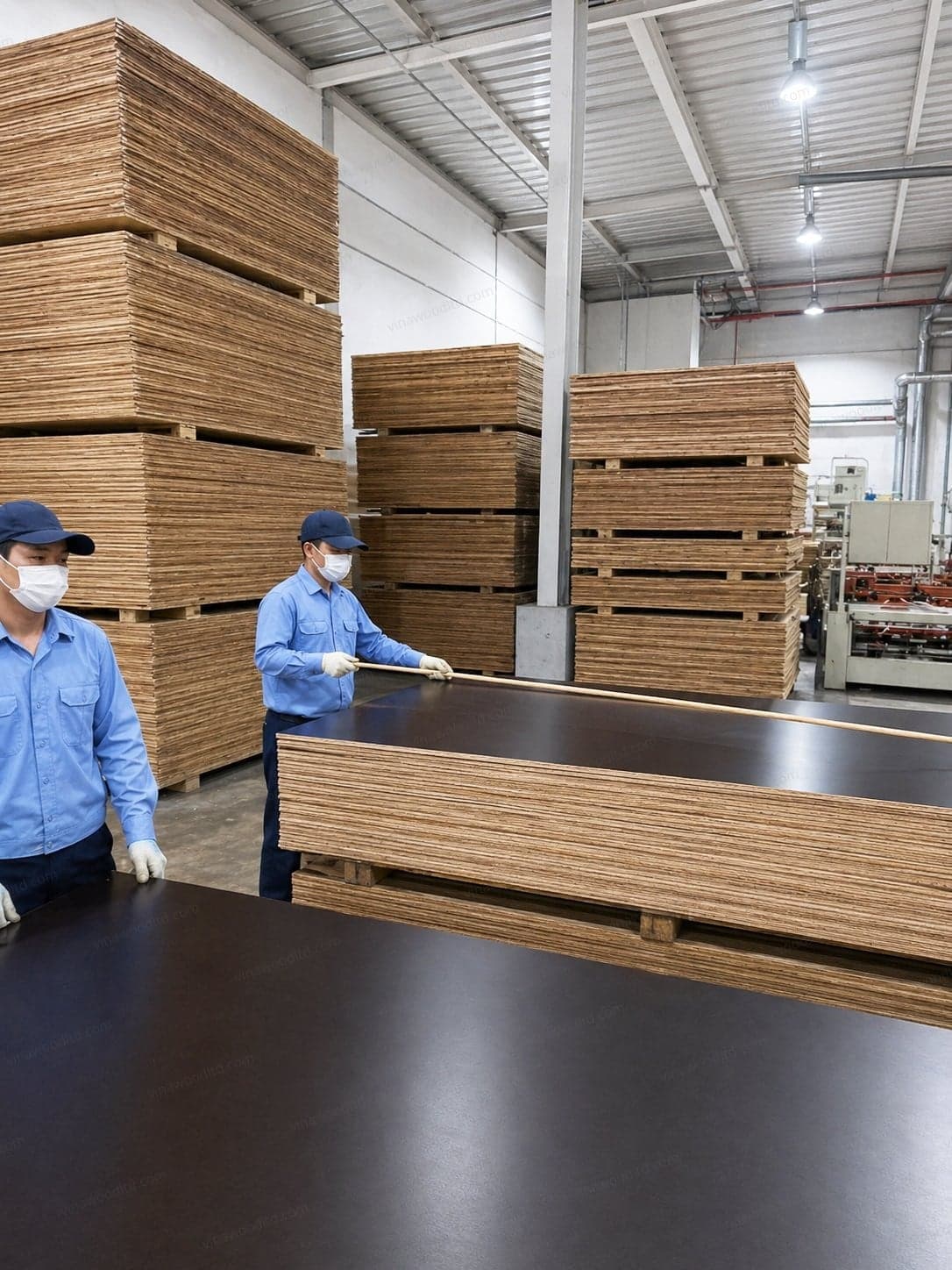
How REACH's Annex XVII entry 77 formaldehyde restriction (Regulation (EU) 2023/1464) affects Vietnamese plywood sold in the EU, and what a mill must show to meet the 0.062 mg/m³ limit from 6 August 2026.
Compliance
Compliance atlas for Vietnam plywood
The compliance documents a Vietnamese mill actually produces, how origin and legality paperwork is generated in-country under VNTLAS, what Vietnam's EUDR low-risk status means, and how a buyer verifies a mill.
Compliance
Spotting Transshipped Chinese Plywood Sold as Vietnamese
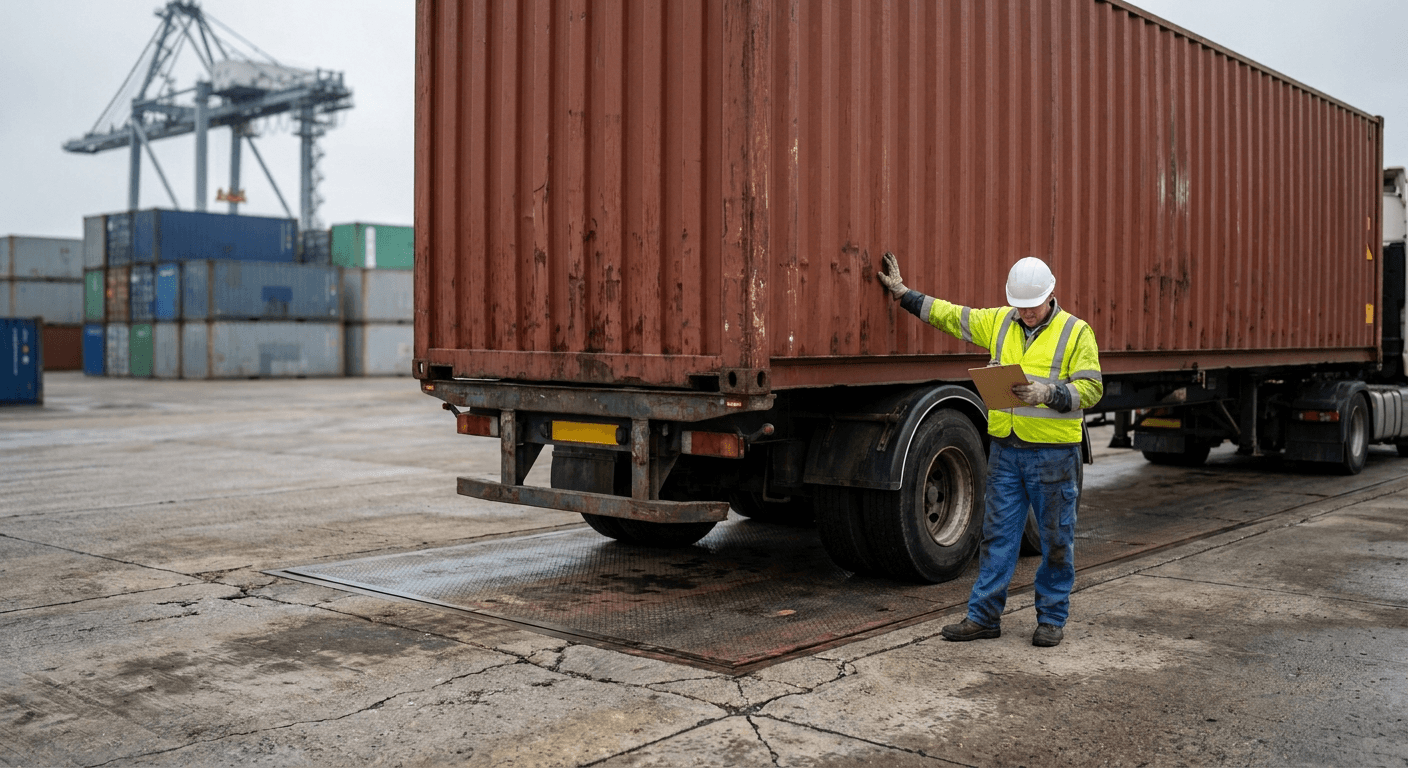
A buyer-protection guide to detecting Chinese-origin plywood illegally transshipped through Vietnam, using the weight-per-CBM density test and document checks to protect against duties, EUDR non-compliance, and seizure.
Compliance
EN 314-2 Plywood Bonding Classes: Class 1, 2, and 3 Explained
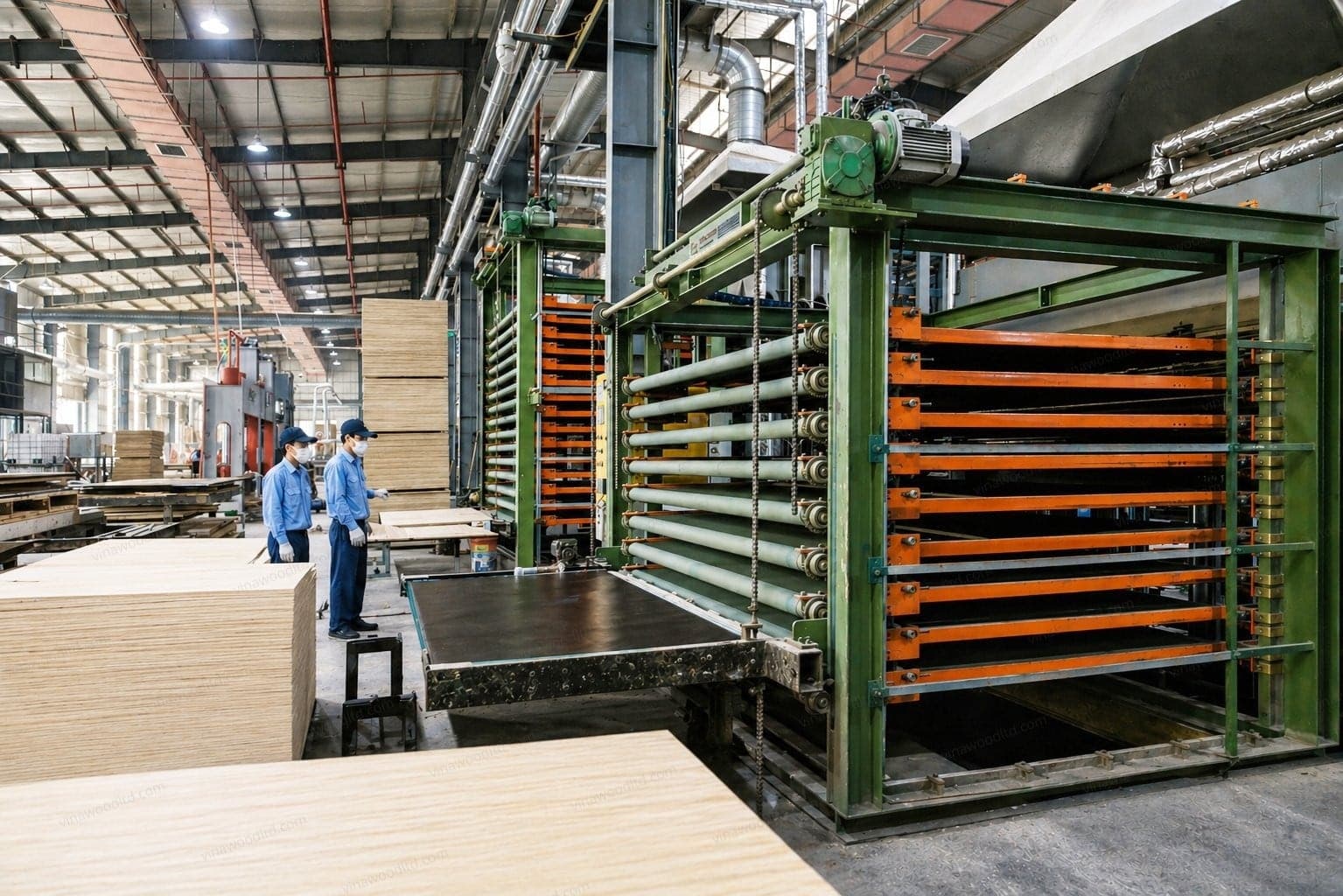
EN 314-2 sets three plywood bonding classes by end-use moisture: Class 1 dry, Class 2 humid/protected exterior, Class 3 unprotected exterior. Learn how EN 314-1 tests, EN 636 types, and Eurocode 5 service classes line up for importers reading certificates.