
Guides/Overview
Why Vietnam Became a Plywood Export Hub
How plantation forestry, low-cost integrated mills, foreign investment, and shifting US trade policy turned Vietnam into a leading plywood exporter.
Vietnam grew into a leading plywood exporter by pairing a large, fast-growing plantation timber base with low-cost, vertically integrated mills, then catching a wave of trade diversification after the United States put antidumping and countervailing duties on China-origin hardwood and decorative plywood. That rise took most of two decades. It is also, as of 2026, under fresh trade scrutiny of its own, so the picture is more complicated than a simple relocation story.
What made Vietnam competitive in plywood manufacturing?
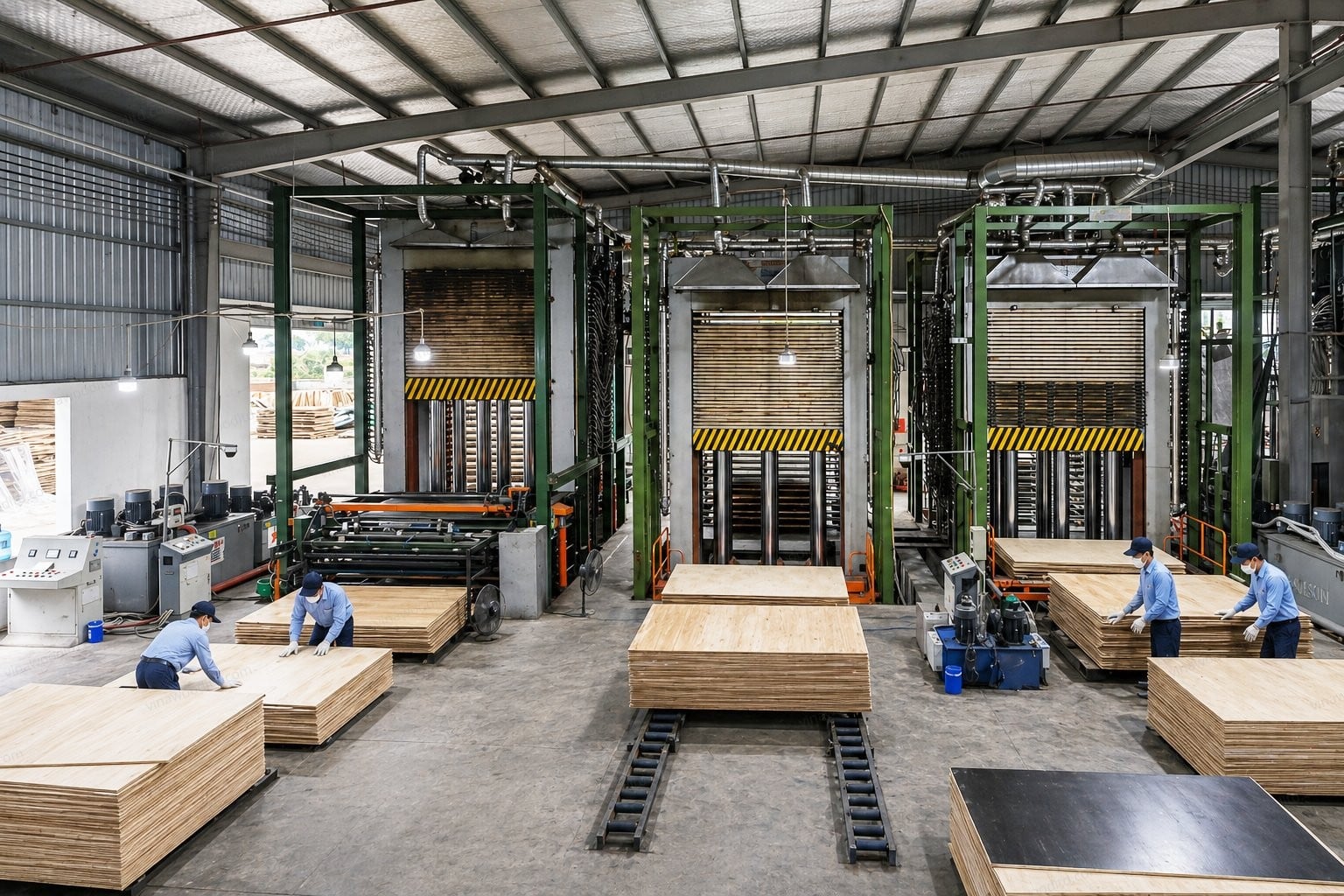
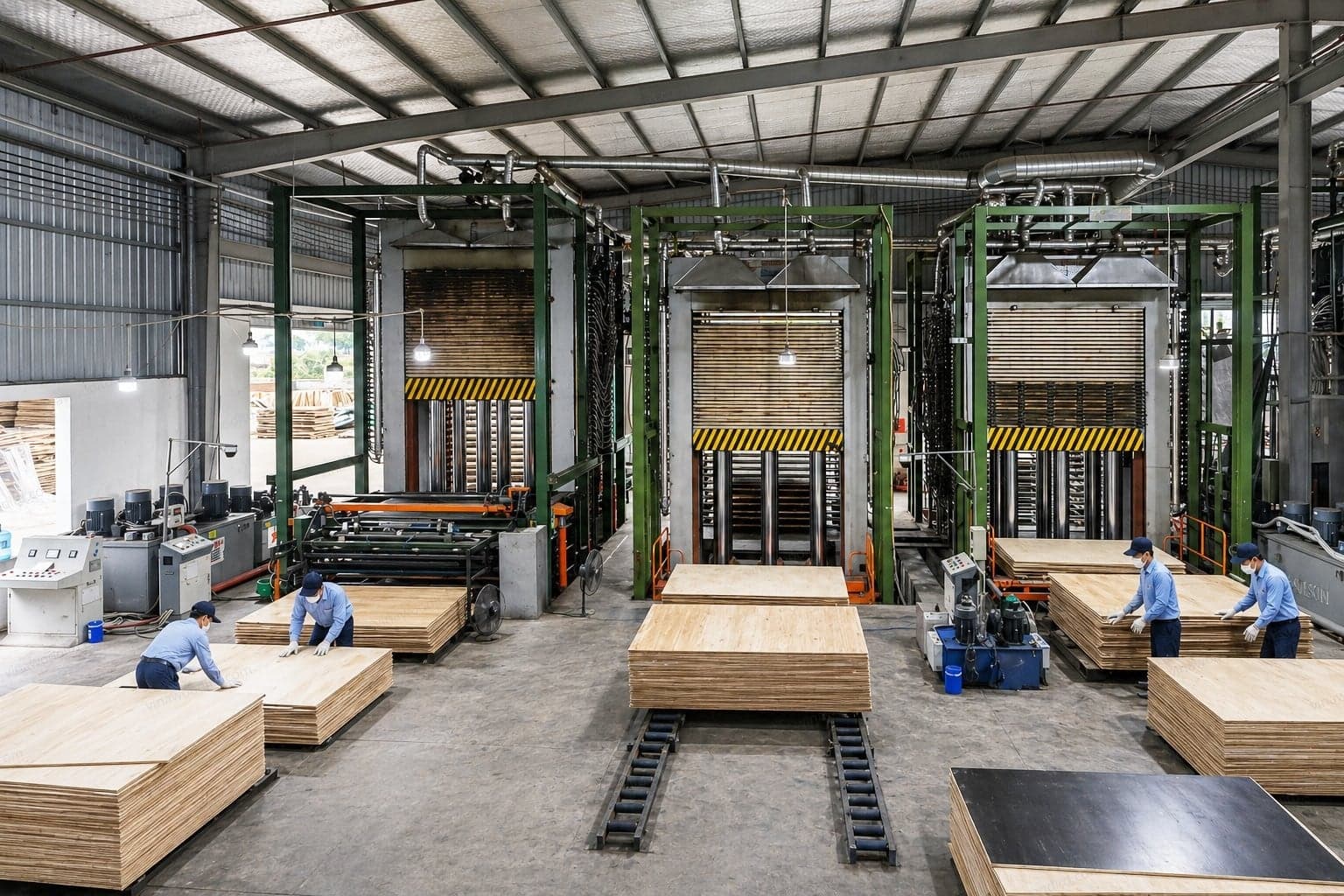
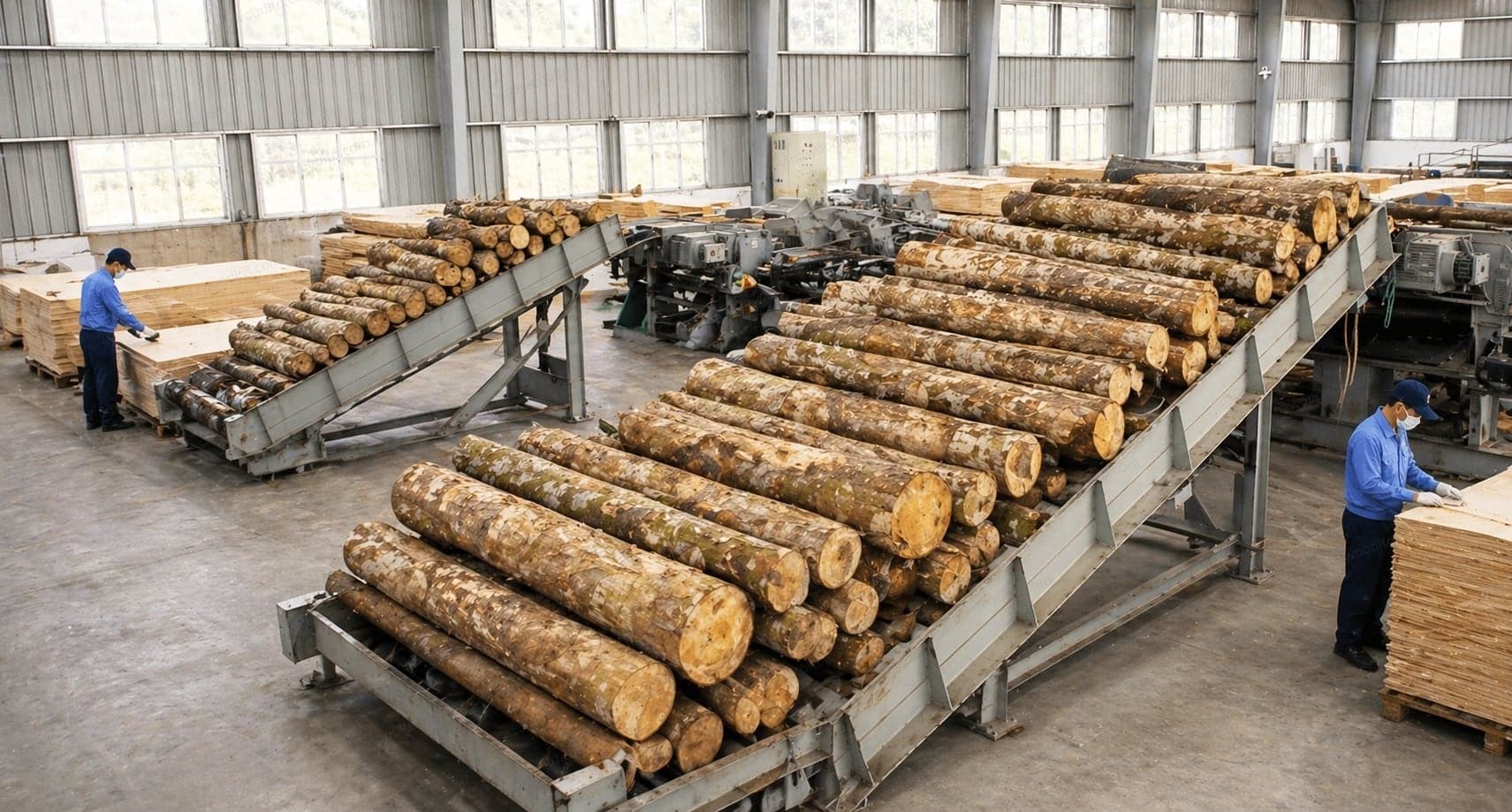
Start with the logs. Vietnamese mills sit next to millions of hectares of plantation acacia and eucalyptus, so raw veneer material is close, cheap, and replanted on short cycles. Labour has run below Chinese levels for years. And most factories are vertically integrated, peeling veneer, drying, gluing, hot-pressing, and surfacing on one site, which trims conversion cost and keeps quality control in-house.
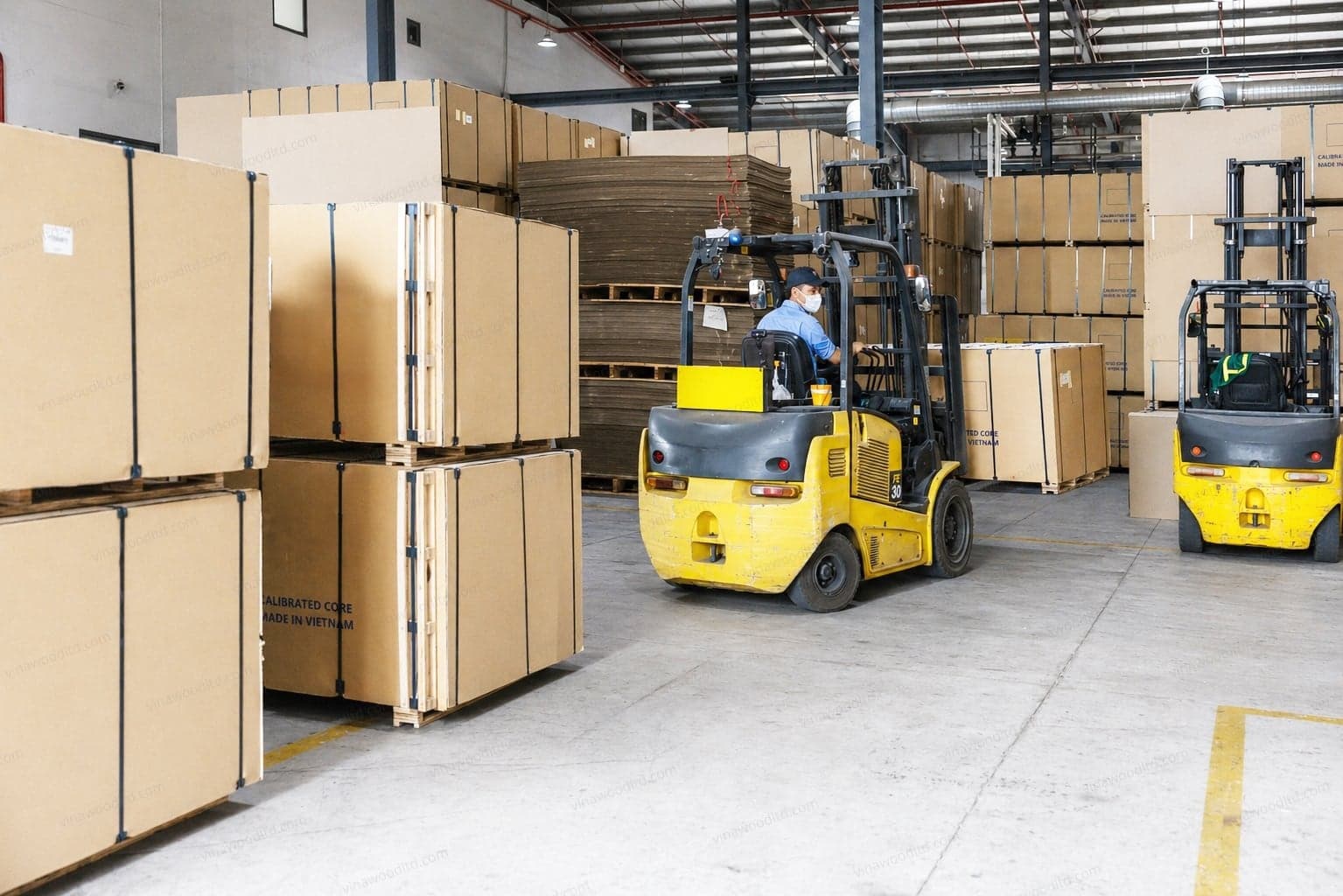
Foreign capital did the rest. Taiwanese, Chinese, Korean, and Japanese manufacturers set up or expanded panel plants in Vietnam through the 2010s, bringing presses, glue-line know-how, and export contacts. Deep-water ports at Hai Phong in the north and Cai Mep near Ho Chi Minh City in the south gave those mills direct sailings to North America and Europe. The plywood business grew inside a much larger wood cluster: Vietnam's wood and wood-product exports reached about US$17.2 billion in 2025, up roughly 6% on the year, with the United States taking around 55% of that trade.
How does the plantation forestry base feed the mills?
Vietnam holds roughly 4.9 million hectares of planted forest, and more than 60% of it is worked by smallholders on small family plots. Acacia and eucalyptus dominate the plantings because they grow fast and coppice well. A grower can harvest acacia in as little as five to seven years, sell the small-diameter logs to a chip mill or a veneer peeler, and replant. That short rotation is what keeps veneer supply steady and prices workable.
The core species most Vietnamese plywood is built from are acacia, eucalyptus, hevea (rubberwood), and styrax, all plantation-grown rather than cut from natural forest. They differ in density, which matters for panel weight and strength: rubberwood is the heaviest of the common cores, eucalyptus sits in the middle, and acacia is lighter. Treat those as planning values that a mill certificate confirms per shipment. For the full species density table and panel specifications, see the manufacturer references on vinawoodltd.com.
Certification is the pressure point. About 868,000 hectares carried sustainable-management certification as of recent reporting, against a national target of one million hectares by 2030. Smallholder-dominated supply makes chain-of-custody paperwork harder to assemble, which is exactly what buyers under the EU Deforestation Regulation and similar rules now ask for.
How did US trade policy redirect plywood sourcing toward Vietnam?
This is the part importers care about most, and it needs to be stated precisely. In January 2018 the US brought antidumping and countervailing duty orders against certain hardwood plywood from China. The antidumping margin was set high, and countervailing rates ran from 22.98% up to 194.90%. Those orders cover hardwood and decorative plywood, meaning panels with decorative hardwood or bamboo face veneers used in cabinets, furniture, and underlayment. Structural plywood and certain other products are excluded from that scope.
With China-origin panels carrying steep duties, US buyers looked elsewhere, and Vietnam picked up a large share of the redirected orders. That shift drew a second round of scrutiny. In a circumvention inquiry, Commerce found that some hardwood plywood merely assembled in Vietnam from Chinese cores and veneers could be treated as China-origin and made subject to the China orders. Genuine Vietnamese-origin panels were not swept in, but the inquiry raised the documentation bar for everyone.
The story did not stop there. In 2025 a new petition named China, Indonesia, and Vietnam together, and by mid-2026 Commerce reached final affirmative antidumping and countervailing determinations on hardwood and decorative plywood from all three. So Vietnam-origin hardwood and decorative plywood in that specific scope now faces its own US duties. This is why a blanket "Vietnam plywood is duty-free" claim is wrong. Duty exposure depends on the product's scope, HTS classification, and origin, and it should be checked against current Commerce and CBP guidance for each shipment.
| US trade action | Subject origins | Product scope | Effect on Vietnam sourcing |
|---|---|---|---|
| AD/CVD orders, Jan 2018 | China | Hardwood & decorative plywood (excludes structural) | Redirected US buyers toward Vietnam and other origins |
| Circumvention inquiry, 2022–2023 | China inputs finished in Vietnam | Chinese cores/veneers assembled in Vietnam | Chinese-input panels ruled China-origin; genuine Vietnamese panels not covered |
| New AD/CVD case, 2025–2026 | China, Indonesia, Vietnam | Hardwood & decorative plywood | Vietnam-origin panels in scope now face their own duties |
One distinction runs through the whole trade file. These cases target hardwood and decorative plywood, the decorative-face product. Film-faced formwork panels and structural plywood, which are a big part of what Vietnamese mills like Vinawood export, generally fall outside that scope. That is not a duty guarantee. It is a reason to confirm scope and classification product by product.
Where does Vietnam's plywood industry go from here?
Two forces will shape the next few years. Trade defence is one: with Vietnam now a named origin in a live case, buyers will lean harder on origin evidence and mill audits. Sustainability compliance is the other. The EUDR and comparable rules reward mills that can prove plantation origin and chain of custody, which favours integrated producers holding FSC or PEFC certification over traders assembling panels from mixed inputs. The mills that survive both pressures tend to be the ones that control their supply from log to loading dock.
Frequently asked questions
See the FAQ section below for quick answers on duties, species, and export scale.
Related guides
Frequently asked
Is Vietnamese plywood duty-free into the United States?
No. There is no blanket duty-free status. US antidumping and countervailing duties on China-origin hardwood and decorative plywood from 2018 redirected sourcing toward Vietnam, but a 2025 to 2026 case reached final affirmative determinations naming China, Indonesia, and Vietnam. Vietnam-origin panels within the hardwood and decorative plywood scope now face their own duties. Structural and film-faced formwork panels generally fall outside that scope. Duty exposure should be checked by product, HTS classification, and origin against current Commerce and CBP guidance.
Why is Vietnam able to produce plywood so competitively?
Vietnamese mills sit beside about 4.9 million hectares of plantation forest, mostly acacia and eucalyptus grown on short five to seven year rotations, so veneer material is close and affordable. Labour has run below Chinese levels, and most factories are vertically integrated from veneer peeling through pressing and surfacing, which lowers conversion cost. Foreign investment and deep-water ports at Hai Phong and Cai Mep completed the export base.
What wood species is Vietnamese plywood made from?
The common core species are acacia, eucalyptus, hevea (rubberwood), and styrax, all plantation-grown rather than cut from natural forest. They differ in density, which affects panel weight and strength, with rubberwood the heaviest of the group and acacia lighter. Treat published densities as planning values confirmed on the mill certificate for each shipment.
How large is Vietnam's wood and plywood export sector?
Vietnam's wood and wood-product exports reached about US$17.2 billion in 2025, up roughly 6% year on year, with the United States accounting for around 55% of the trade. Plywood is one part of a broad cluster that also includes furniture, wood chips, and pellets.
Did the 2018 China duties cause Vietnam's plywood boom?
They accelerated it rather than caused it. Vietnam's plantation base and mill capacity were already growing. The 2018 US orders on China-origin hardwood and decorative plywood made Chinese panels far more expensive for US buyers, who shifted orders to Vietnam and other origins. A later circumvention inquiry then ruled that panels merely assembled in Vietnam from Chinese inputs could be treated as China-origin.
Related in the atlas
Continue reading
Same topic first, then what others on the atlas read most.
Overview
The Vietnam Plywood Industry: A Complete Overview
A plain-English overview of Vietnam's plywood industry: its scale and growth, the plantation species base, the main export product types, certification, and where Vietnam sits among global plywood origins.
Overview
What is Vietnam plywood?
Vietnam plywood, defined: plywood made in Vietnam from plantation-grown acacia, eucalyptus, rubberwood and styrax and exported worldwide. How it differs by origin, and where to go deeper.
Overview
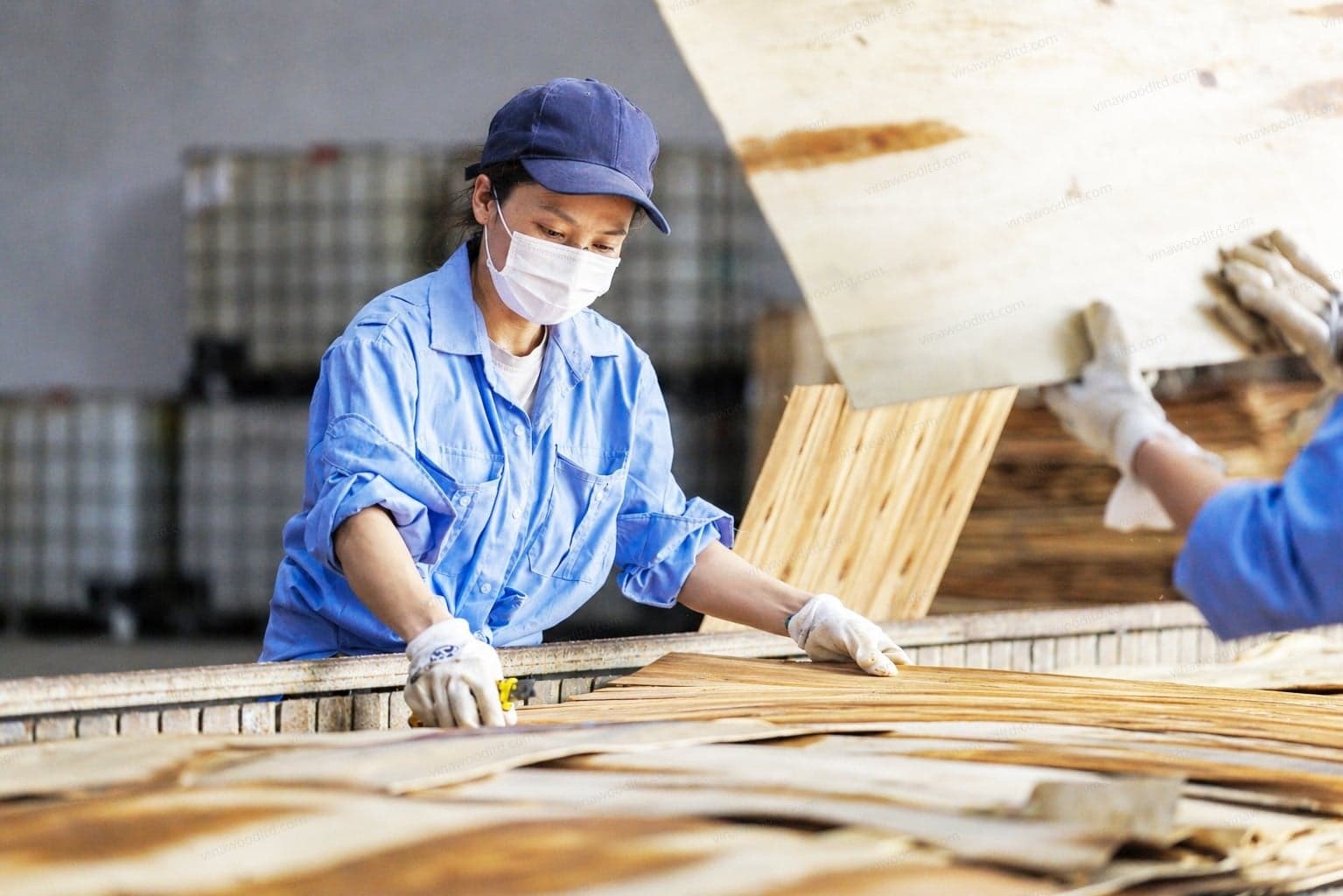
How Vietnam plywood is made
How a modern Vietnamese export mill turns plantation-grown logs into finished plywood, walked through all twelve production stages from log peeling to container loading.
Overview
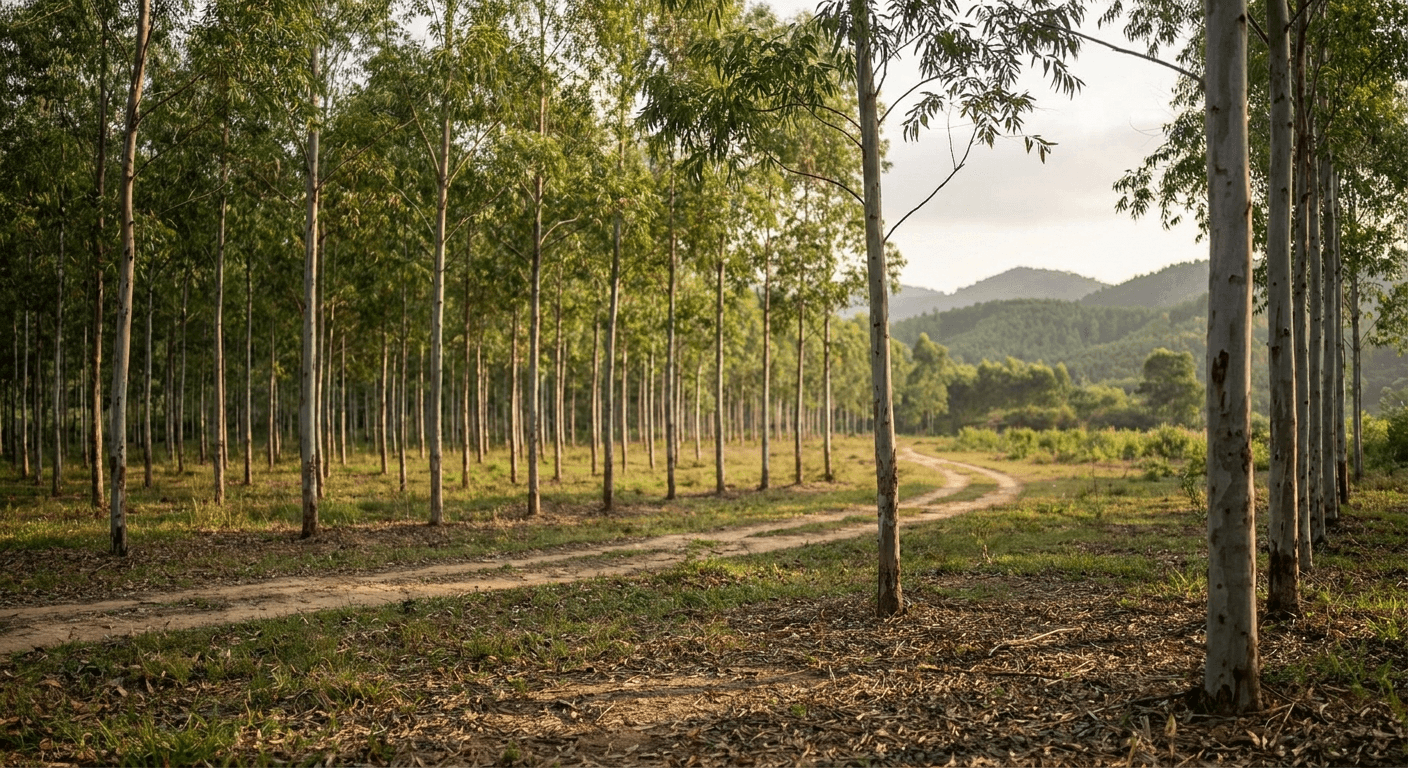
Plantation Forestry Behind Vietnam's Plywood
Vietnam's plywood is built on plantation-grown acacia, eucalyptus and rubberwood, much of it raised by smallholder farmers. A look at the timber base, rotation ages, FSC and PEFC certification, and EUDR legality context.