
Atlas guides
Compliance
12 guides in this topic.
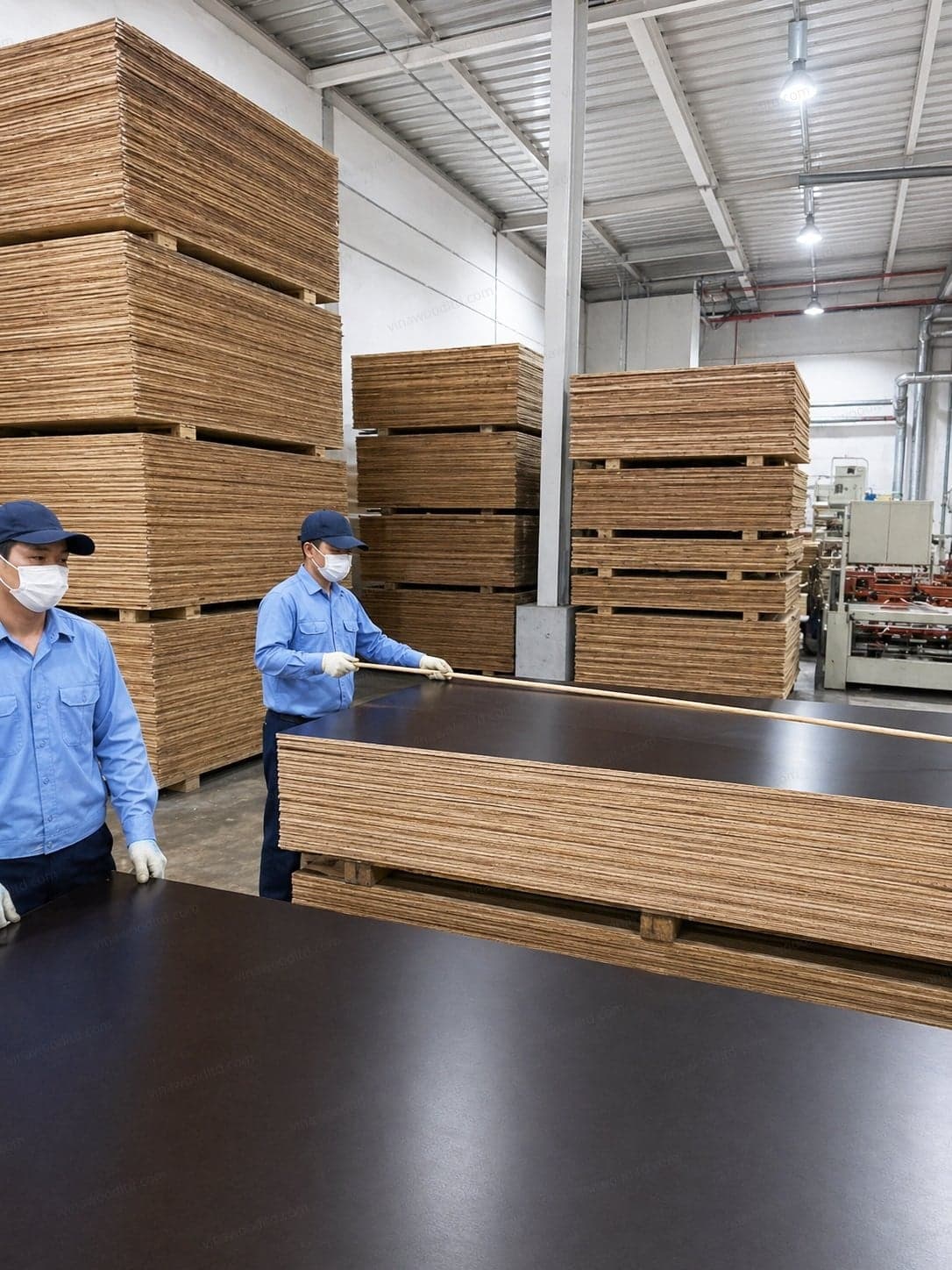
Compliance atlas for Vietnam plywood
The compliance documents a Vietnamese mill actually produces, how origin and legality paperwork is generated in-country under VNTLAS, what Vietnam's EUDR low-risk status means, and how a buyer verifies a mill.
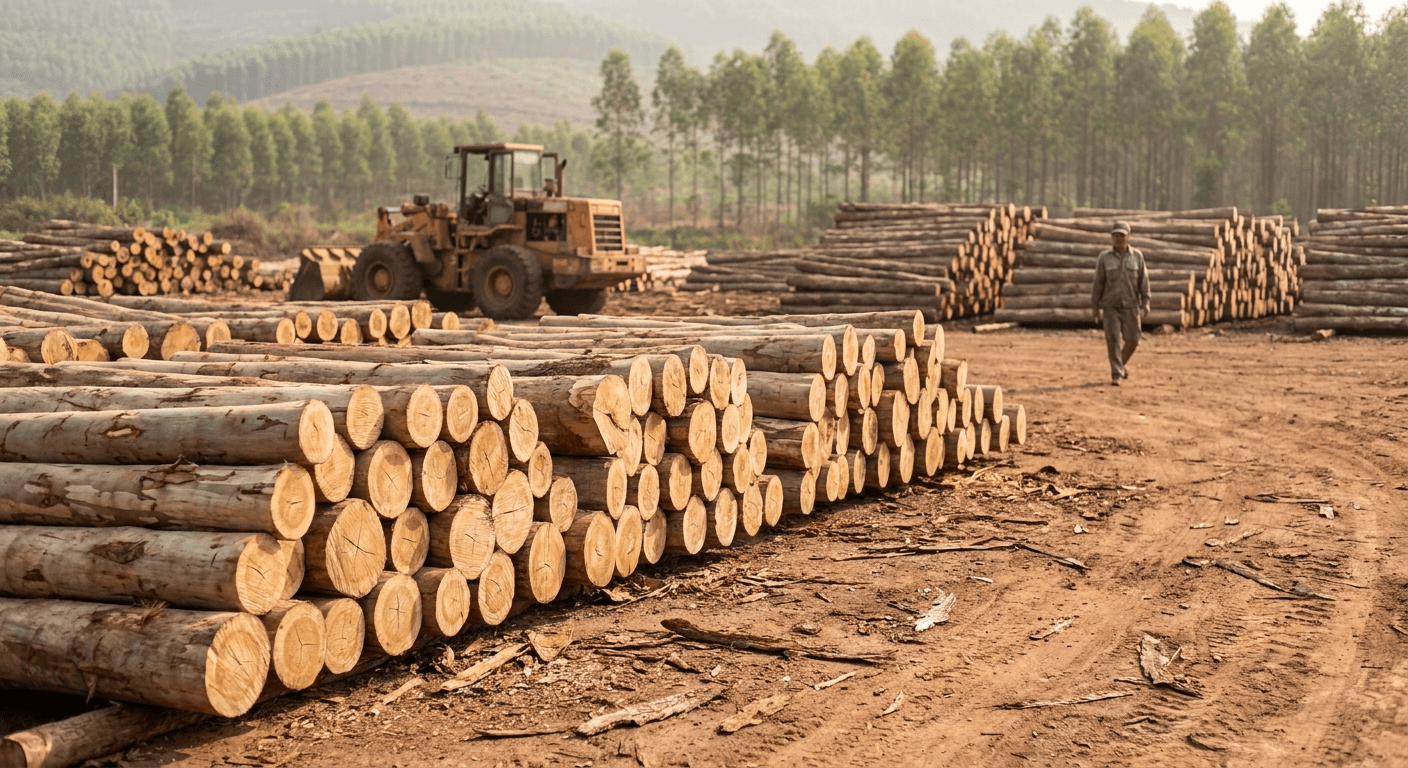
EUDR Evidence Pack for Vietnamese Plantation Plywood
A plain-language reference on how a compliant EUDR evidence pack for Vietnamese plantation plywood typically works: Article 9 data, Circular 26/2022 origin dossiers, smallholder land tenure, the money trail without a seller e-invoice, and why the mill pack is not the DDS.
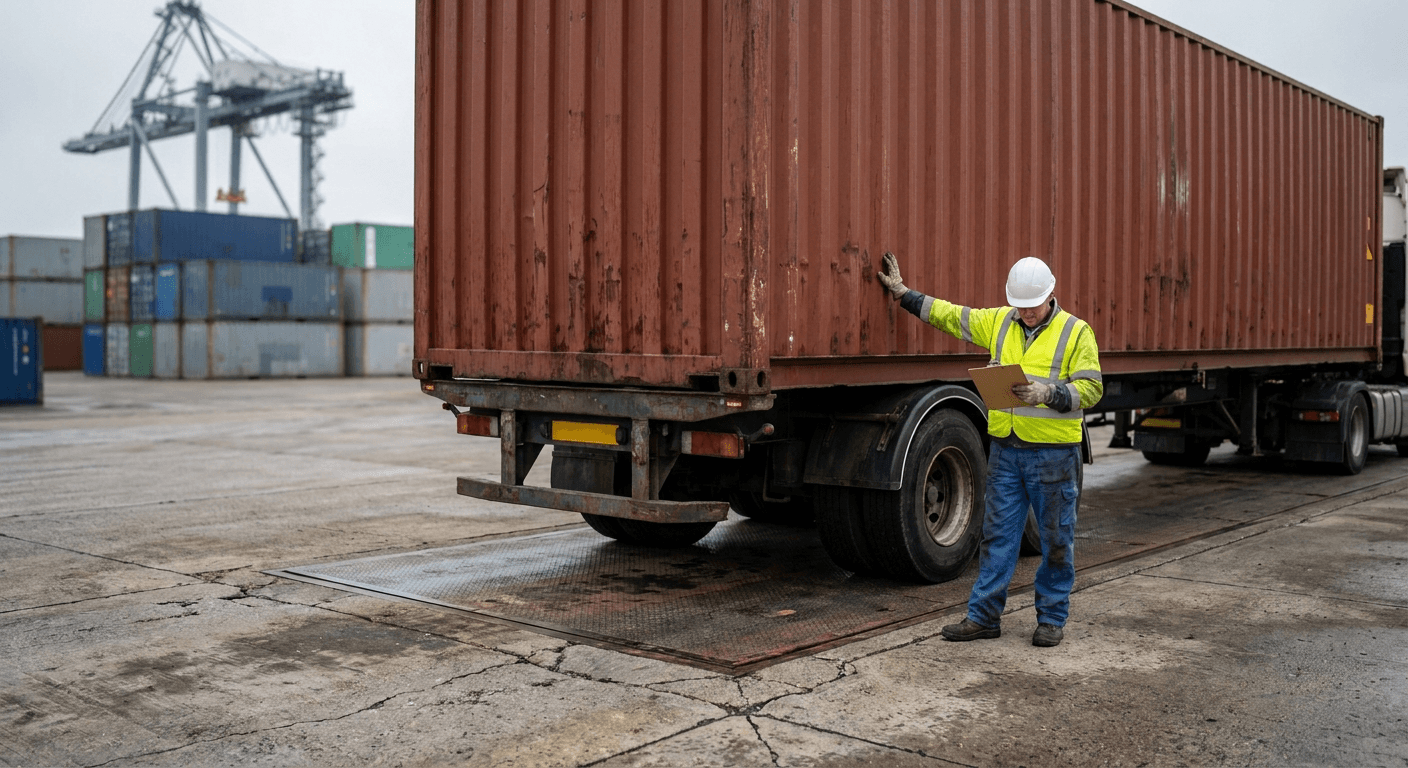
Spotting Transshipped Chinese Plywood Sold as Vietnamese
A buyer-protection guide to detecting Chinese-origin plywood illegally transshipped through Vietnam, using the weight-per-CBM density test and document checks to protect against duties, EUDR non-compliance, and seizure.

BS 1088 Marine Plywood Explained: 2018 Classes, Bond Class 3, and Certificate Checks
What BS 1088:2018 requires for marine plywood—standard versus lightweight classes, Bond Class 3, and a practical stamp-versus-certificate checklist for importers.
Certification Requirements for Vietnam Plywood by Destination
Lookup table of what each destination asks a Vietnam-origin mill to show: US TSCA Title VI and Lacey, EU CE and EUDR, UKCA, KS, JAS, BIS. FSC is usually a buyer request, not a customs stamp.
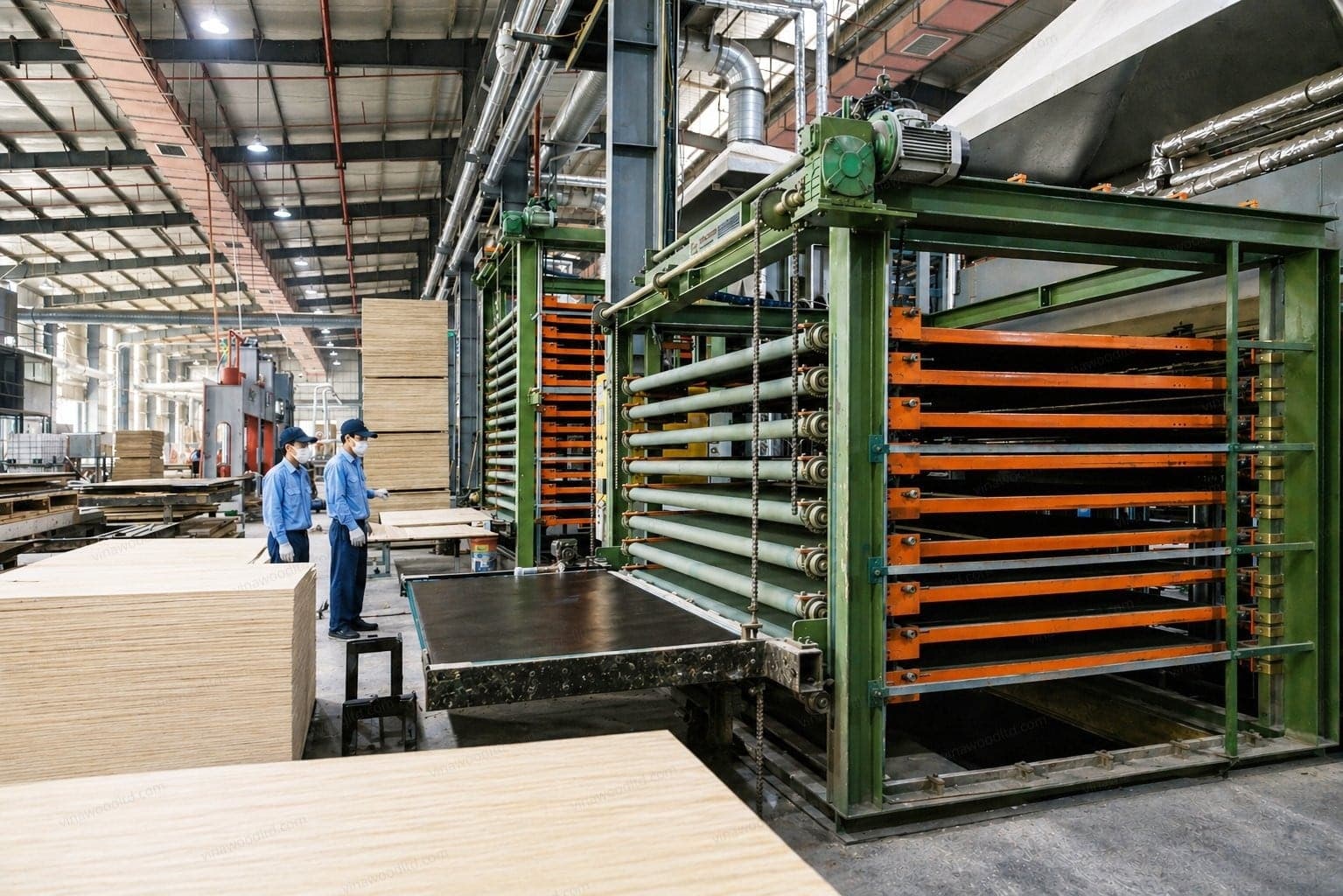
EN 314-2 Plywood Bonding Classes: Class 1, 2, and 3 Explained
EN 314-2 sets three plywood bonding classes by end-use moisture: Class 1 dry, Class 2 humid/protected exterior, Class 3 unprotected exterior. Learn how EN 314-1 tests, EN 636 types, and Eurocode 5 service classes line up for importers reading certificates.
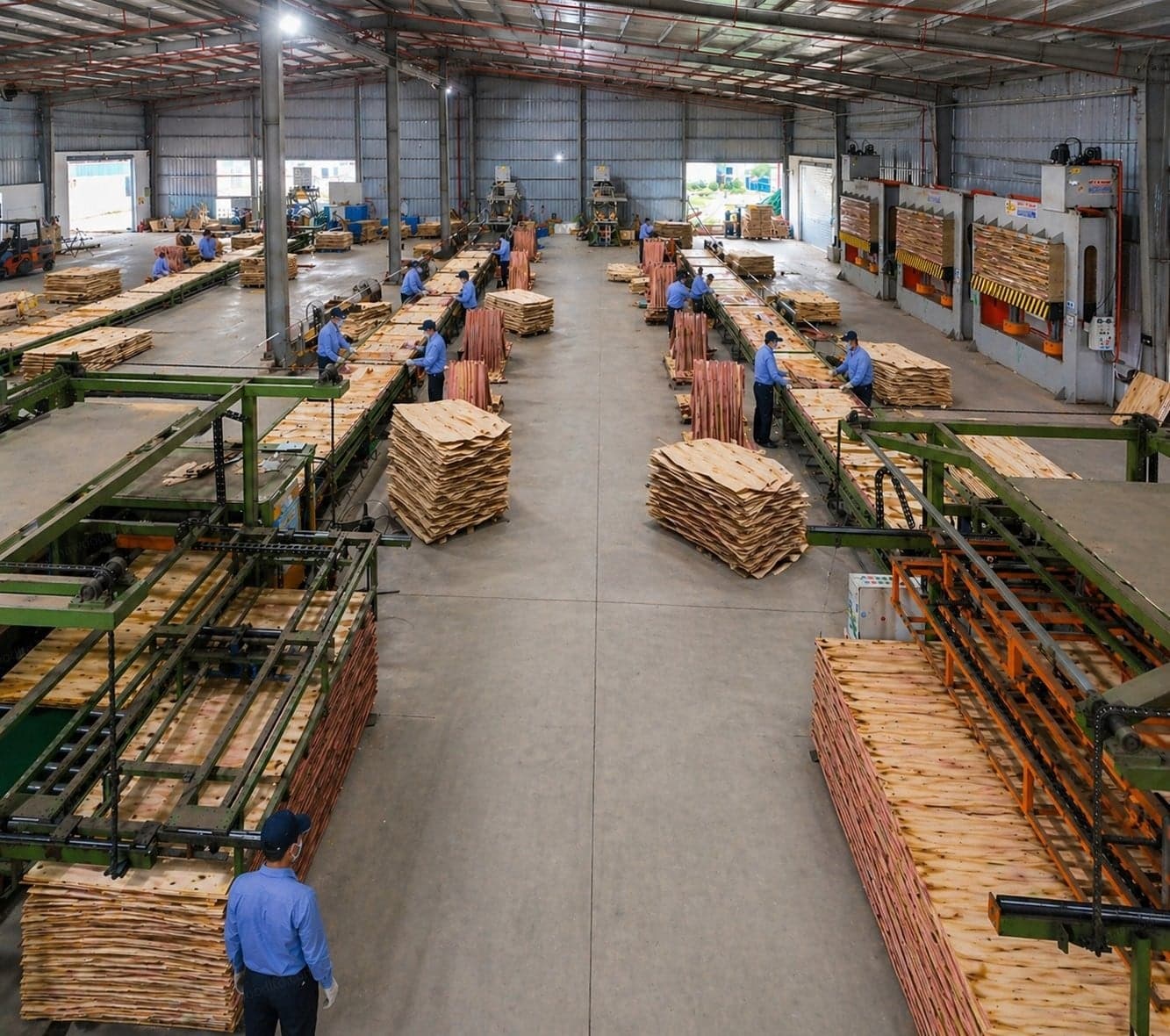
EU PPWR Explained: Packaging Compliance for Vietnam Plywood & EU Importers
PPWR (Regulation EU 2025/40) covers shipment packaging around Vietnam plywood panels, not the panels themselves. Dates, Art. 18 importer duties, DoC and Annex VII.

EUDR and Vietnam Plywood: Supplier Evidence, Forestry Law and Country Risk
Vietnam is benchmarked low-risk under EUDR, but a mill still owes plot geolocation, species, quantity and legality evidence for every panel. Here is exactly what a Vietnamese supplier hands over for a due-diligence statement, and the forestry law that generates it.

FSC and PEFC Certified Plywood Explained: Chain of Custody, Claims and How the Schemes Differ
What FSC and PEFC certify, how a chain of custody claim moves from plantation to plywood invoice, where the two schemes differ and what a certificate does not prove.

REACH and Vietnam Plywood: The EU Formaldehyde Restriction
How REACH's Annex XVII entry 77 formaldehyde restriction (Regulation (EU) 2023/1464) affects Vietnamese plywood sold in the EU, and what a mill must show to meet the 0.062 mg/m³ limit from 6 August 2026.

US Antidumping and Countervailing Duties on Vietnam Plywood: Status and Scope
A plain-language, public-sourced guide to how US antidumping and countervailing duties apply to Vietnam-origin plywood: the three separate actions, what the 2025-2026 case covers, and what importers should document.
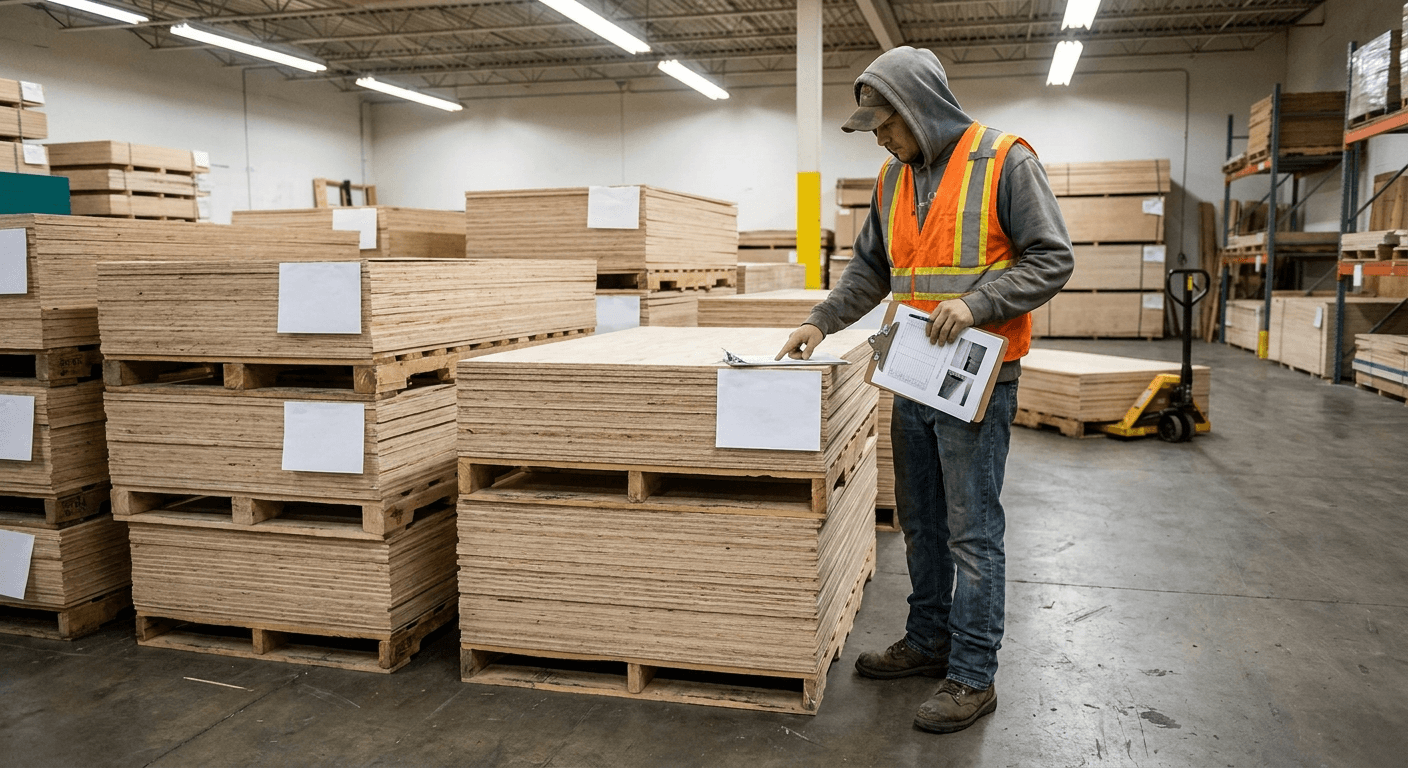
Why Mill Certificates Matter for Canadian Plywood Importers
Canadian plywood importers often stop converting when mill certificates do not match the invoice, lot, or project claim. Here is what good-enough documentation looks like on a Canada-bound PO.