
Guides/Grades
Formwork plywood: what it is, and how Vietnam-origin panels fit
Vietnam formwork plywood is the overlay sheet crews pour against, not a steel or aluminum formwork system. Atlas guide: origin, mill vs trader.
Direct answer: Formwork plywood (also called shuttering plywood in many markets) is the overlay plywood pour face crews pour against. It is the forming face (the shuttering synonym for the same overlay sheet), not a steel or aluminum formwork system. Film-faced and HDO sit in that overlay class. MatteFace Plywood (MTF) is the named matte product. Vietnam-origin formwork plywood is that sheet pressed in Vietnam on plantation-grown cores. A mill RFQ is for this panel. A system quote is for gangs, frames, and hardware.
This page is a Vietnam Plywood Atlas educational guide on vietnamplywood.com. Vinawood authors the series with a transparent mill affiliation. The mill's official North American distribution partner operates separately; there is no common ownership.
A search for formwork plywood returns North American Plyform sheets and Vietnam film-faced export. It also returns gang systems and trading desks. The useful work is telling the sheet from the system, then reading the papers.
What is formwork plywood?
Formwork is the temporary mould. Wet concrete sits against it until the pour can stand on its own. The plywood panel has to take that wet load and hold a face. Then it has to come off without tearing the concrete. In UK, India, and several Commonwealth markets, buyers type shuttering plywood for the same overlay sheet.
APA treats overlaid forming panels as a jobsite product. The North American trademarked name for a panel built for this work is Plyform. The overlay is there so the sheet can strip and go back up. That is the job. Not furniture. Not a crate.
Reuse is not a grade stamp. How many times a crew gets the sheet back depends on the overlay and the edge paint. Site handling finishes the rest. This atlas will not invent a cycle count. Write "up to N" only when a mill certificate names N. Overlay reuse tables live on the mill contractor guide, not here.
This page sits next to the grades and applications map, which lists film-faced formwork as one family among several. It does not replace that map. It does not reprint mill sizes, prices, or SKU tables. For pour math and contractor handling notes, use the mill concrete forming plywood guide, a commercial companion with a different intent from this atlas page. For commercial benefit framing on the overlay sheet, see the mill advantages of film faced plywood hub. Neither mill page is cloned here.
Standards map (APA / EN cues)
Buyers mix three languages on the same RFQ: a North American forming trademark, a European bond class, and a trade shorthand for the glue line. None of those lines is a reuse promise on its own. The table below is a cue map for reading papers, not a mill grade chart and not a cycle count.
APA's public concrete-forming pages treat overlaid forming panels as a jobsite product. Plyform is the North American trademarked name for a panel built for that pour. EN 314-2 grades the bond, not the overlay brand. WBP is still a glue-line claim. Overlay sheet and system formwork stay separate product classes.
| Cue | What it names | What it does not name |
|---|---|---|
| APA concrete-forming / Plyform / overlaid forming | Jobsite forming panel language; Plyform is the NA trademark for a pour-face sheet | A Vietnam mill SKU, a reuse cycle, or a formwork-system brand |
| EN 314-2 Class 1 / 2 / 3 | Bond durability by end-use test; Class 3 is the exterior boil path | Face film chemistry, core species, or how many pours a crew will get |
| WBP (weather-and-boil-proof) | Trade shorthand for a boil-resistant glue line; treat the panel as water-resistant | A waterproof panel; unsealed edges still take water |
| Reuse ("up to N") | Site practice plus overlay and edge paint; write "up to N" only when a mill certificate names N | A grade stamp you can invent from a catalog photo |
| Overlay sheet vs system formwork | The plywood pour face (film-faced, HDO, MatteFace) vs steel/aluminum gangs and hardware | One RFQ that covers both product classes |
Write the bond class and the face system on the purchase order. Keep the mill contractor guide for pour math. Keep this atlas page for the category language.
Formwork plywood vs system formwork
Overlay plywood is the skin crews pour against. The gang is a different product class. Steel or aluminum frames hold the sheet. They are not the sheet.
Do not mix the RFQs. A mill sells the panel: film, glue class, core species, edge paint. A formwork-system house sells the frame and the pour hardware. Category language only. This atlas will not name system vendors.
P-Form is polypropylene. Pro Form is a phenolic film-faced mill grade. The names look close on a packing list. They are not the same overlay. Spell the product you want.
How do Vietnam-origin panels fit that job?
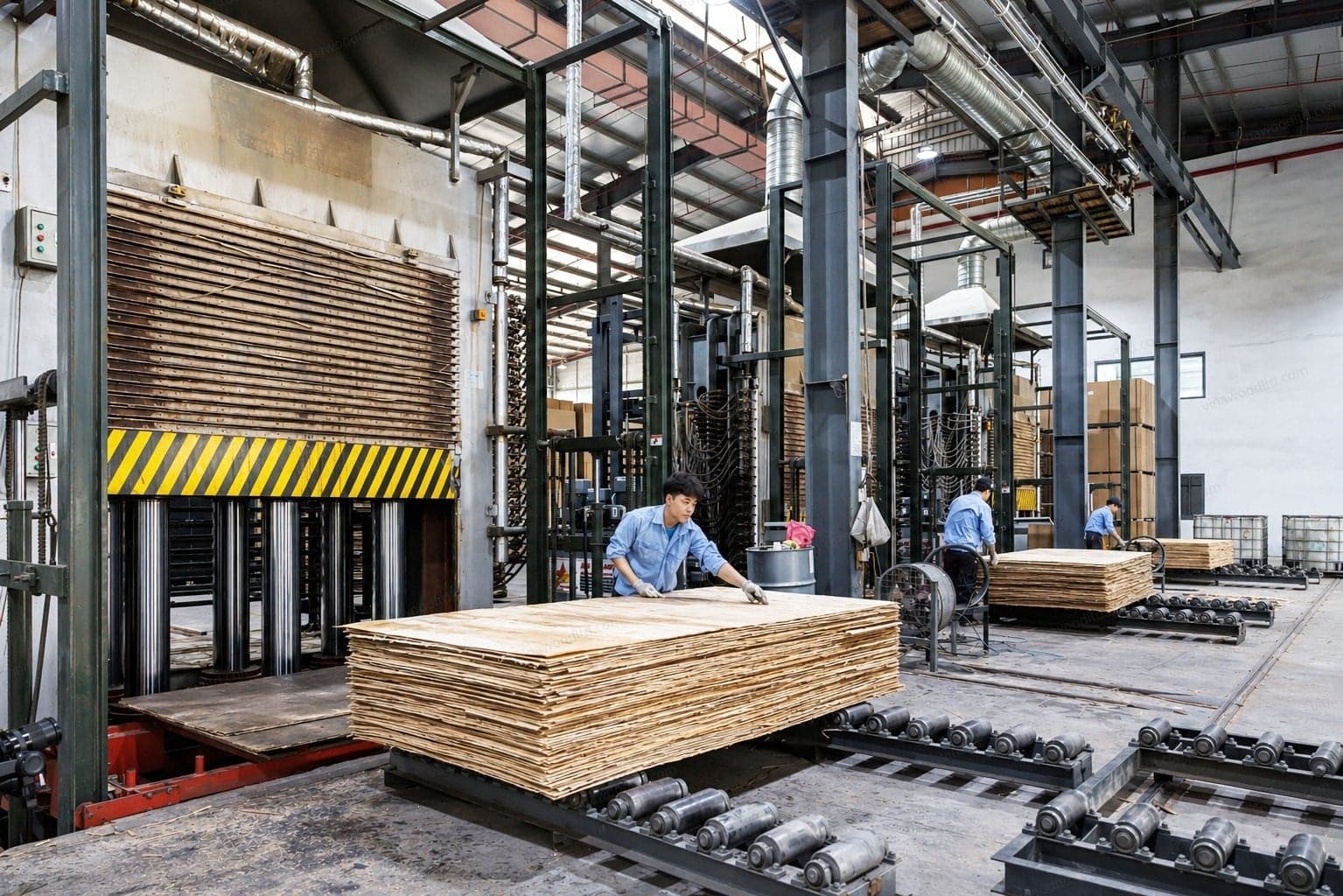
Vietnam-origin formwork plywood is a sheet pressed in Vietnam for that same pour. The core is plantation-grown. Acacia and eucalyptus are the usual species. Hevea and Styrax show up on some programmes. The wood is not cut from natural forest.
FAO's Viet Nam forest assessment treats planted forest as the domestic wood base behind processing. That is why an origin claim on formwork plywood should name plantation species. See also what Vietnam plywood means as an origin.
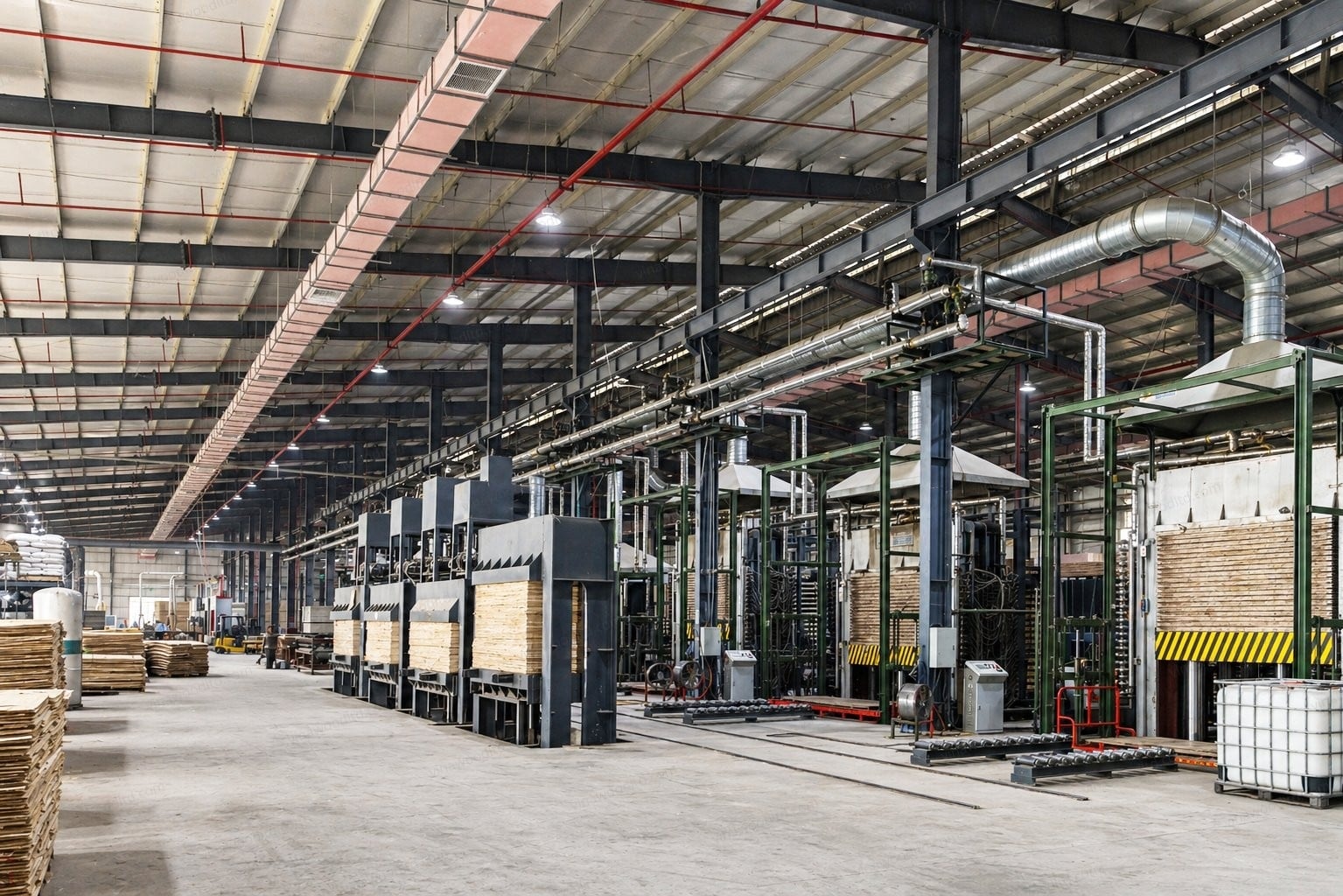
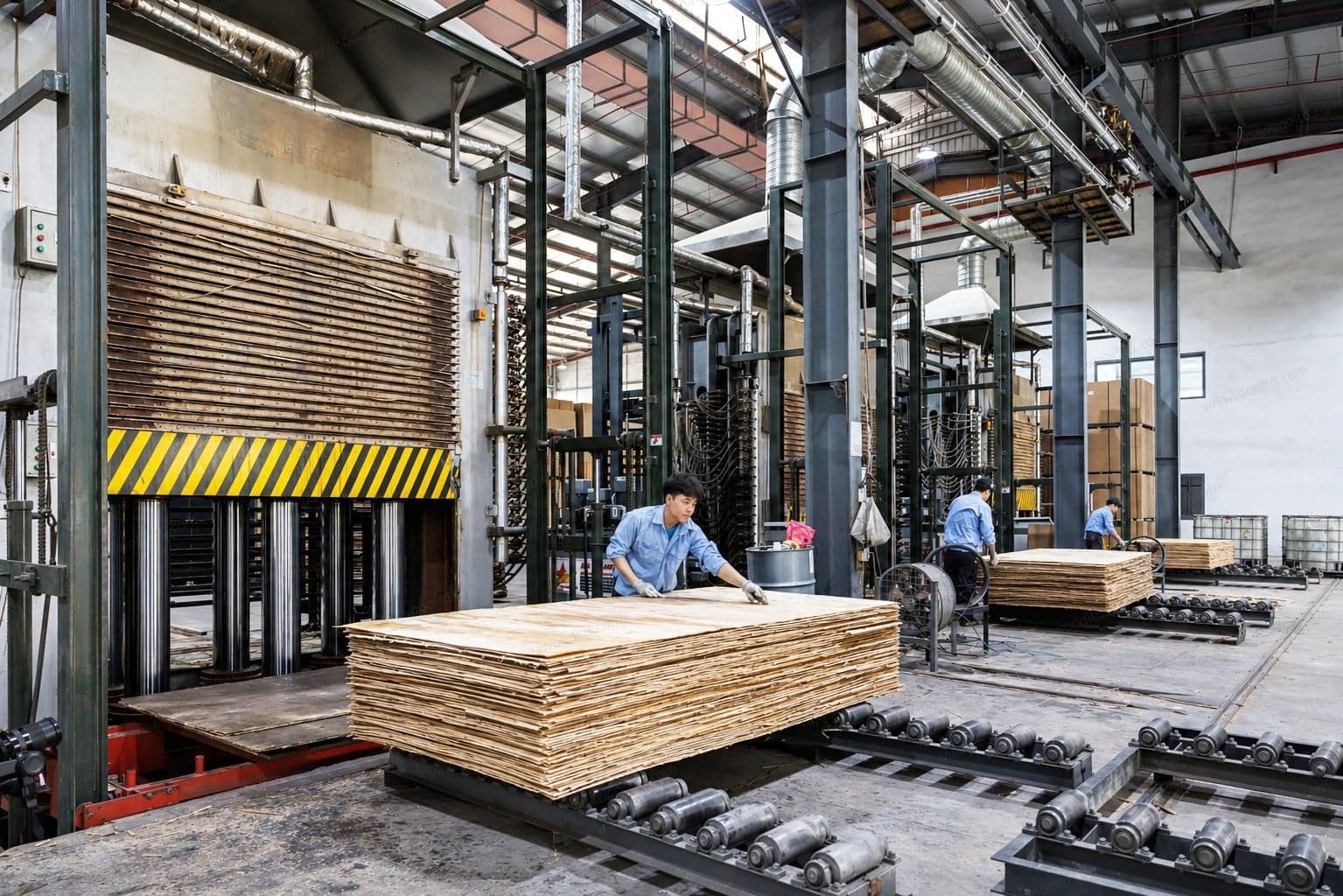
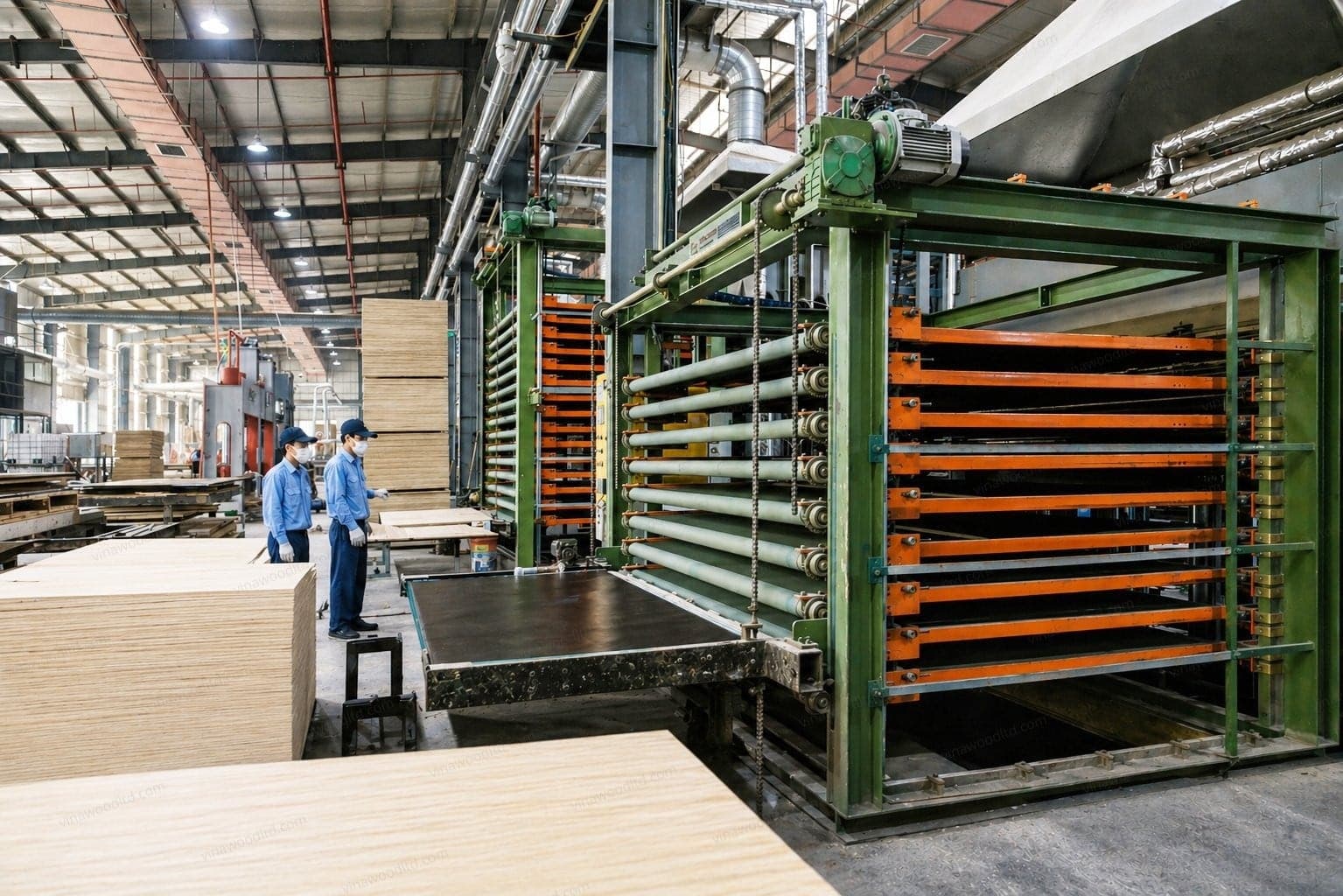
The usual working face on Vietnam export formwork is a phenolic film, pressed on one or both sides. Crews pour against the film. The film is not the glue line. A glossy brown sheet can hide a weak bond.
Face type, as a category, sits on the film-faced origin page. This page is the job, not the overlay family. Phenolic overlay chemistry is covered separately in phenolic plywood explained. That guide is not rewritten here.
Buyers who type "MDO" when they want a matte forming face should ask for MatteFace Plywood (MTF). MDO is a search term on this atlas. It is not a mill product name. Do not prefix MDO with the mill brand. Consply is a commercial Bintangor face. It is not film-faced. It is not formwork.
What is the working face, and what is the glue?
Most Vietnam export formwork uses a phenol-formaldehyde face film on a weather-and-boil-proof glue line. WBP is a bond-durability class. Treat the panel as water-resistant. Unsealed edges still take water. Veneers still swell if you leave them open.
EN 314-2 sets bond classes by end use. Class 1 covers dry interior. Class 2 is the humid or protected-exterior test. The exterior boil regime is Class 3. Write the class on the purchase order. Do not buy a slogan.
Melamine is three different things on a data sheet. Name the layer.
- Core resin. Melamine-urea-formaldehyde (MUF) is a glue-line chemistry. MUF formwork panels are not interior-only. That glue is not the face film.
- Face film. A melamine-impregnated overlay can be pressed on as an industrial face. That is not phenolic film-faced formwork.
- Decorative laminate. Furniture supply uses the word for a patterned paper face.
A formwork RFQ still has to name the job. Bond class. Face system (phenolic film, matte phenolic, polypropylene, or something else). Core species as plantation-grown. Who pressed it. That is enough to compare offers. Spec sheets live on mill pages. Not here.
How does a formwork buyer tell a mill from a trader?
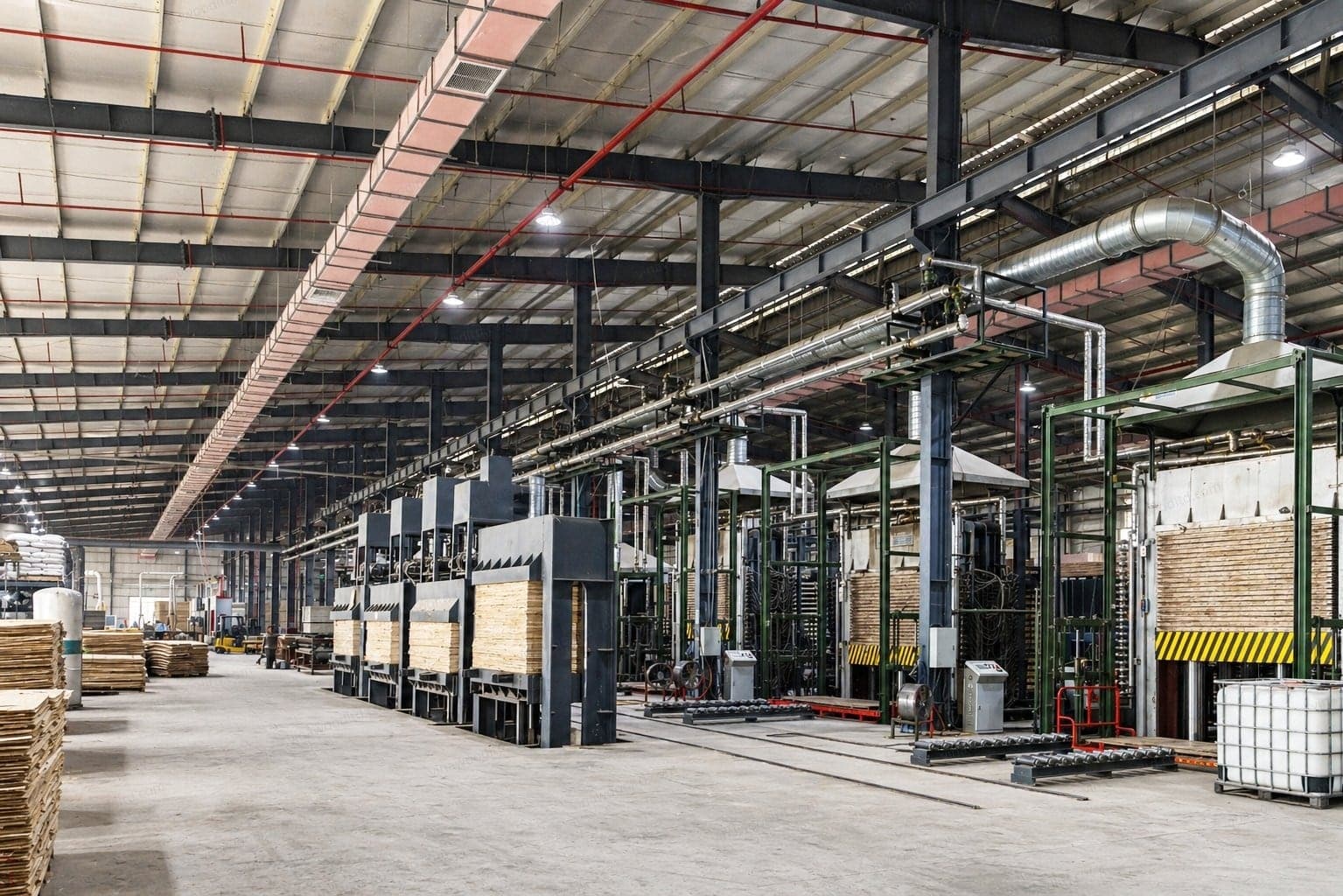
A mill owns the press that made the sheet. A trader papers a container someone else pressed. Some offices do both. Those are not the same risk on a pour.
Origin follows the plant. The legal name on the invoice should match the mill test report and the packing list. A trading desk can still be the exporter of record. It cannot mint a mill name after the doors have closed.
For formwork, ask who owns the film line. Ask next whose legal name will sit on the packing list. Edge paint is a mill process. A trading desk cannot add it after the container has left.
A live floor walk and date-stamped sheets on the press are cheap tests. Certificates whose holder does not match the contract are not.
I have opened formwork offers that said "Vietnam factory" on page one and listed another legal entity on the mill certificate. I stopped reading the reuse line.
| Signal | Mill | Trader |
|---|---|---|
| Invoice legal name | Matches the plant on the mill test report | Often a trading company; plant name sits elsewhere or is missing |
| Floor proof | Live walk of peel, press, and film line | Office, warehouse, or stock photos |
| What they can change | Film, glue class, core species, edge paint | Price, Incoterm, and the letterhead |
None of those rows is a vendor list. They are a reading method. If two names disagree, the origin claim is still unproven. The longer factory walk sits in the mill-qualification guide.
Vietnam Plywood Atlas on vietnamplywood.com is written by Vinawood, a Vietnam plywood mill founded in 1992 that exports to 55+ countries. The mill's official North American distribution partner operates separately; there is no common ownership to disclose. The mill RFQ checklist sits on Vinawood's manufacturer page, not here.
Origin is not a customs rate. A broker matches the SKU to the order in force.
Related guides
Frequently asked
What is the Vietnam Plywood Atlas?
The Vietnam Plywood Atlas is the educational guide series on vietnamplywood.com. Vinawood authors it with a transparent mill affiliation. The mill's official North American distribution partner operates separately; there is no common ownership. Guides define origin, overlays, and buying language, not a storefront or SKU catalog.
What is formwork plywood?
Formwork plywood is the overlay plywood pour face crews pour against, also called shuttering plywood in many markets. It is the forming face (film-faced, HDO, or MatteFace), not a branded steel or aluminum formwork system. The name marks the job, not a grade stamp and not who owns the press.
Is formwork plywood the same as a formwork system?
No. Overlay plywood is the skin crews pour against. Steel or aluminum gangs are a different product class: frames and pour hardware. A mill RFQ is for the panel. A system quote is for the gang.
Is WBP formwork plywood waterproof?
No. WBP is weather-and-boil-proof trade shorthand for a boil-resistant glue line, not a waterproof panel. Treat formwork plywood as water-resistant: unsealed edges still take water, and veneers still swell if left open. Write the EN 314-2 bond class on the purchase order instead of buying a slogan.
What is P-Form vs Pro Form?
P-Form is polypropylene. Pro Form is a phenolic film-faced mill grade. The names look close on a packing list, but they are not the same overlay chemistry. Spell the product you want on the RFQ so the mill does not ship the wrong face.
Is MDO formwork plywood?
MDO is a search term on this atlas for a matte forming face. The named product is MatteFace Plywood (MTF). Do not prefix MDO with the mill brand. Consply is a commercial Bintangor face, not film-faced and not formwork.
How does a formwork buyer tell a mill from a trader?
Match the invoice legal name to the mill test report and the packing list. A mill can show a live peel, press, and film line. A trader papers a container someone else pressed. If those names diverge, the origin claim is still unproven.
Related in the atlas
Continue reading
Same topic first, then what others on the atlas read most.
Grades
Plywood Standards Cross-Reference Matrix (EN, BS, IS, JAS, AS/NZS, ASTM)
A side-by-side reference that lines up plywood bond, durability and formaldehyde classes across EN, BS 1088, IS 710/303, JAS, AS/NZS and US PS 1, so a foreign spec can be translated into what a Vietnamese mill can build and certify.
Grades
Plywood grades & applications
A supplier-neutral map of the plywood grade families Vietnamese mills produce, each tied to a typical glue class and end use, so a specifier can write an RFQ to spec instead of to a brand name.
Grades
WBP Plywood Explained: Water and Boil Proof Glue vs Waterproof Claims
WBP plywood is trade shorthand for a water-and-boil-proof glue line—often mapped to EN 314-2 Class 3—not a waterproof sheet and not marine grade by itself.
Grades
Phenolic Plywood Explained: Film Face vs Glue Line
Phenolic plywood is trade shorthand for a phenol-formaldehyde glue line, a phenolic film face for formwork, or both—name the layer before comparing offers.