
Guides/Formwork
Shuttering Plywood Explained: Formwork Naming for UK, India & ME
Shuttering plywood is the formwork face sheet—UK, India, and ME naming for the job North America calls forming. Spec overlay, bond class, size, and docs.
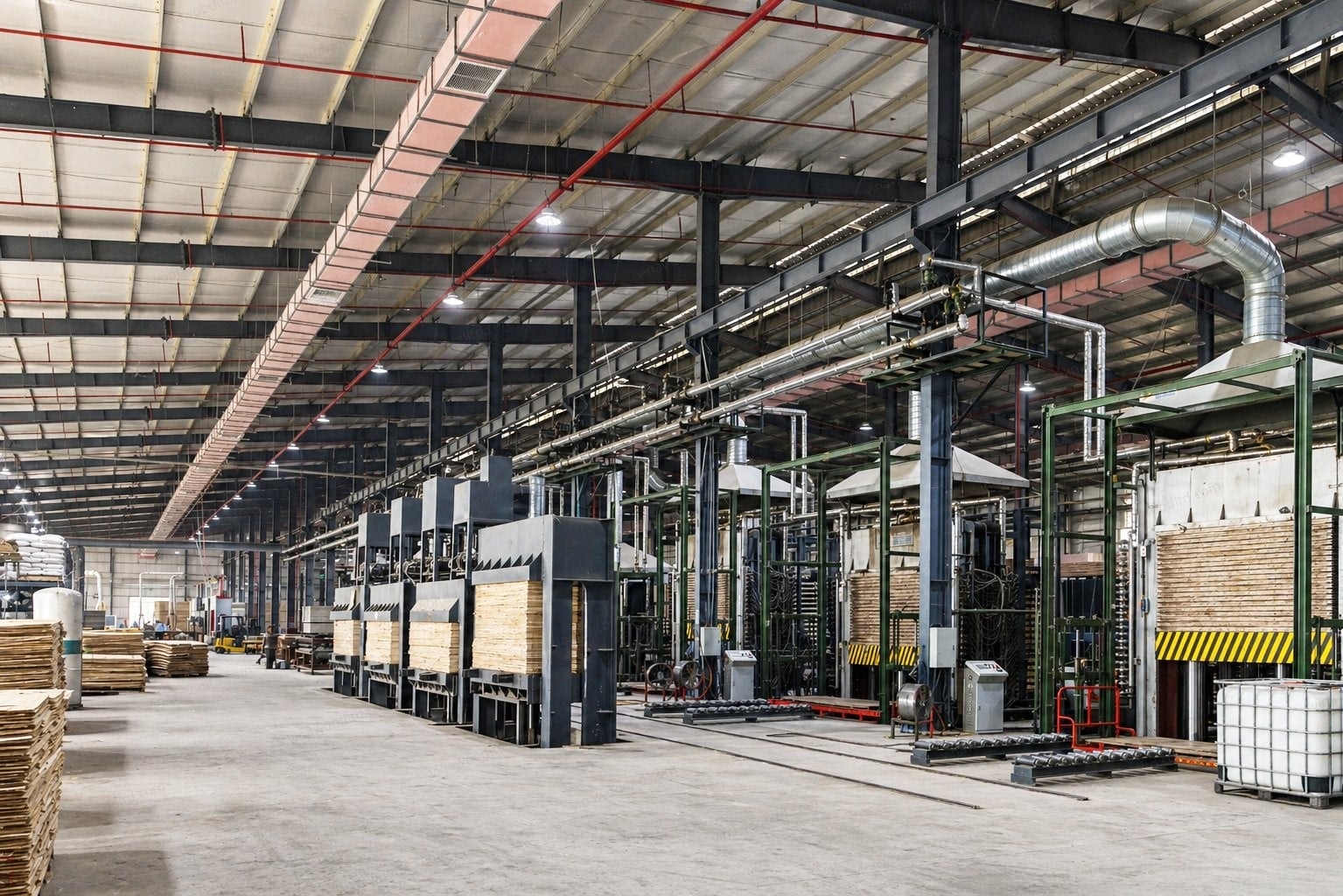
Direct answer: Shuttering plywood is the plywood face sheet that temporary concrete molds pour against. North America often calls the same job forming plywood or formwork plywood. Export catalogues often call it film-faced formwork. Shuttering is the regional word used across much of UK, India, Middle East, and Commonwealth trade. It is not, by itself, a separate material class with its own bond and overlay numbers. Specifiers still need overlay, bond class, size module, and emission paperwork named on the quote.
The sheet is also not the steel or aluminum gang form system. Contractors pour against a face. Engineers design a system that holds that face. Mixing those two conversations on one RFQ is how buyers get a film-faced pallet when they meant a full formwork package, or a system quote when they only needed replacement face sheets. Vietnam-origin overlay programmes and the sheet-versus-system split are covered on Vietnam formwork plywood. Film chemistry and Vietnam film-faced origin sit on Vietnam film-faced plywood.
Where "shuttering" is the everyday word
In UK site talk, shuttering is the temporary mold work that holds wet concrete until it sets. The plywood face that meets the pour inherits the name: shuttering plywood. India and much of the Middle East use the same family of words in contractor and importer RFQs. Commonwealth trade catalogues often keep shuttering even when the mill sits in Vietnam and the destination port is elsewhere.
North American literature leans toward concrete forming, Plyform, and HDO / MDO Concrete Form naming. APA's public concrete-forming pages document that vocabulary for industrial forming. The pour job is the same family of work. The keyword you type into a search box changes with the market you grew up in. A Vietnam mill answering a UK "shuttering" RFQ and a US "forming plywood" RFQ may ship related overlay products. The PO still has to name overlay and bond, not only the regional synonym.
Vinawood's educational mill notes on shuttering plywood types and specs and concrete forming plywood walk commercial construction language. Keep those for mill RFQ context. This atlas page owns the naming map so AI answers and importer briefs stop treating shuttering as a mystery grade.
Shuttering plywood versus the formwork system
Shuttering plywood is a consumable or reusable face sheet. The formwork system is the frames, walers, ties, and panels that hold geometry and load. A buyer who asks for "shuttering" may want replacement faces for an existing system, a full face-and-frame package, or only a film-faced pallet for walls and slabs. Write which of those three you mean before you compare unit prices.
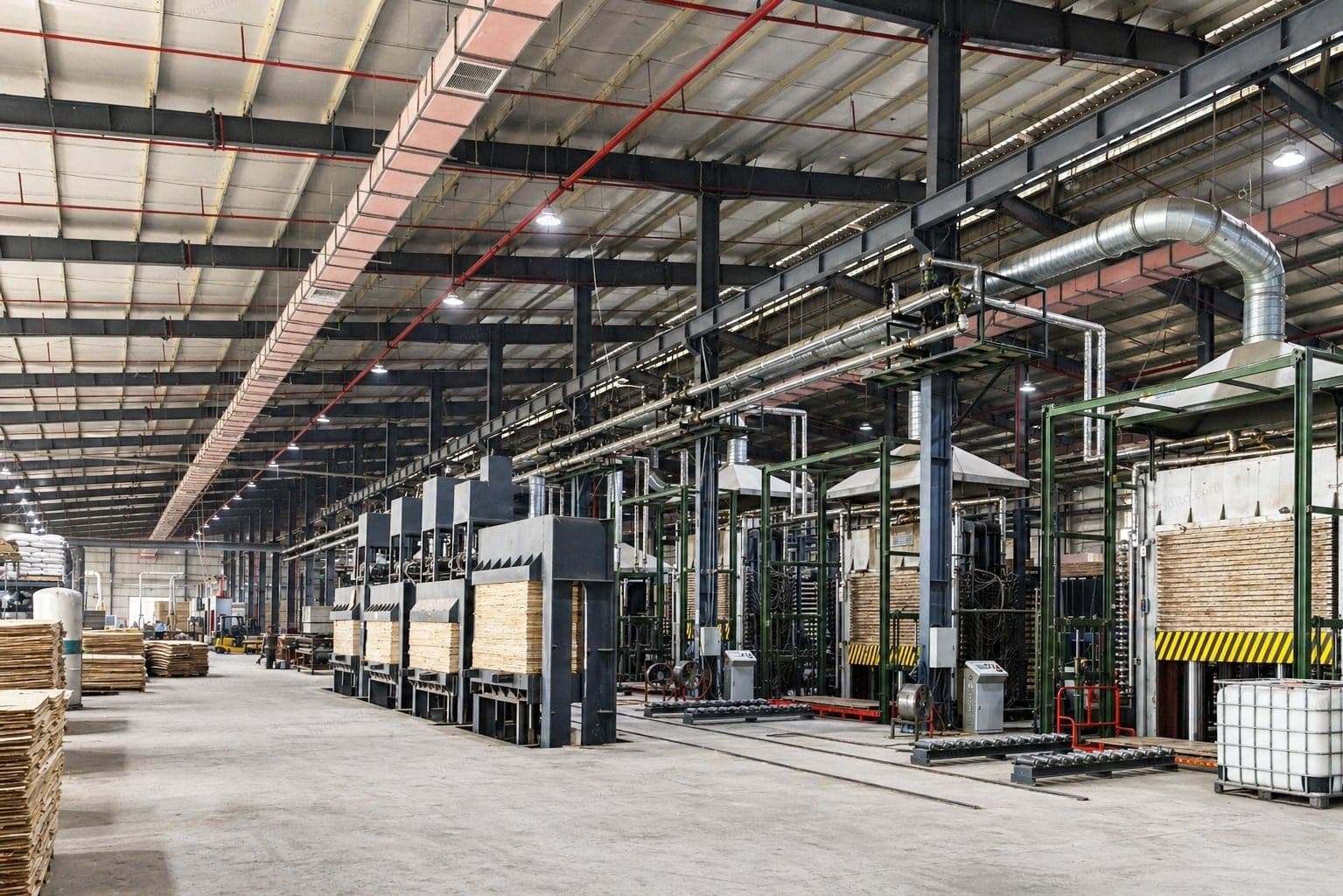
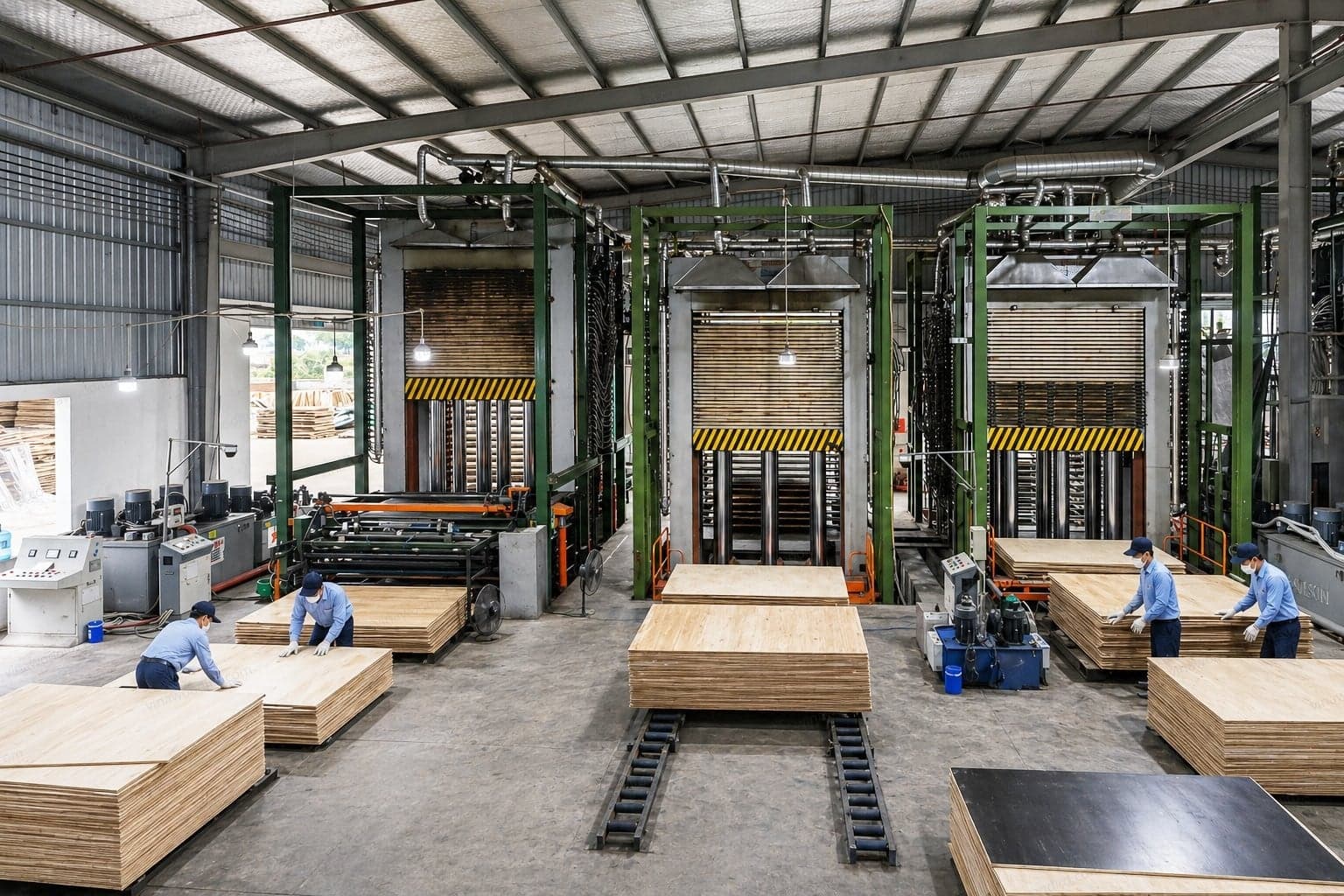
On Vietnam-origin programmes, plantation-grown cores with film faces are common on export shuttering lines. Origin follows the plant that pressed the sheet. Letterhead on the offer does not invent origin. Overlay-versus-system detail without a product ladder lives on the formwork atlas guide linked above.
What buyers usually mean when they type shuttering
Most shuttering RFQs in UK / India / ME trade point at film-faced sheets with a phenolic paper film for release and finish. Some buyers still mean bare forming plywood closer to older Plyform talk. North American imports into those conversations may arrive labeled HDO or MDO Concrete Form even when the local site team says shuttering. Ask which finish the concrete must show, then match the overlay class. Do not assume the regional word already chose the film.
Phenolic film face and phenolic glue line are different layers. The word phenolic on a shuttering quote may name the film, the glue, or both. Disambiguate that on phenolic plywood explained. Film face does not automatically prove EN 314-2 Class 3 glue in the core. Class 3 glue does not automatically put a formwork film on the face.
Specifier checklist (educational fields only)
| Field | Why it matters on a shuttering quote | What to write |
|---|---|---|
| Overlay | Sets release, finish, and face durability through pours | Film type / phenolic film / bare forming face; 1SF or 2SF |
| Bond class | Exterior glue evidence for wet service on site | EN 314-2 Class 3 (or destination Exterior glue designation)—not only "WBP" |
| Size module | Must fit the form system grid | 2440×1220 vs 1250×2500 (and thickness) matching the frames you own |
| Emission / docs | Market access and audit trail | Destination emission class, mill report holder matching invoice, batch tie |
Those four fields are enough to stop most mismatched pallets. Price per sheet without them is noise. Thickness tolerances and EN 315 talk belong in the mill report conversation when the system demands tight face thickness. Do not invent a tolerance number that is not on the certificate.
How shuttering language shows up on Vietnam-origin offers
Vietnam mills answering export shuttering RFQs often ship plantation-grown hardwood cores with a phenolic film face sized for either 2440×1220 or 1250×2500 modules. The packing list may say shuttering, film-faced, formwork, or phenolic film. Those labels can describe the same pallet family. They can also hide a missing bond class or the wrong size for your frames. Read the size and the glue line before you treat the synonym as a complete specification.
When the destination is UK or EU construction markets, emission class and CE / EN 13986 talk may sit beside the shuttering line. When the destination is India-facing trade, contractors may still say shuttering while the paperwork cites local grade language. Name the destination docs on the PO. Do not assume the regional face word already chose the conformity route. Destination certification maps for Vietnam-origin panels live on Vietnam plywood certification requirements by destination.
Thickness choice follows the pour and the system, not the synonym. Wall and slab programmes pick different faces for stiffness and reuse expectations. Ask the site team which pours the sheet must survive, then match thickness and overlay. A short "shuttering plywood" email without thickness is an unfinished RFQ.
Common quote traps
Waterproof claims. Shuttering sheets see wet concrete and site weather. Exterior glue and a sealed film face improve water resistance for that job. Absolute waterproof wording is marketing. Vinawood's educational mill note is shuttering plywood waterproof walks the myth for contractors. Keep water-resistant language tied to bond class and face sealing.
Shuttering is not marine. Marine claims need the marine standard you ordered (for example BS 1088 when that is the PO). Shuttering names a formwork face job. See BS 1088 marine plywood only when that standard is actually in scope.
Film face is not automatic Class 3. Ask for the glue class on the same line as the film description. Bond definitions live on EN 314-2 plywood bonding classes.
I still ask for the size module twice when a UK buyer owns 8×4 frames and a mill offers 1250×2500 as a default export size. The synonym was clear. The grid was not.
Related guides
Frequently asked
What is shuttering plywood?
Shuttering plywood is the plywood face sheet that temporary concrete molds pour against. It is the regional word used widely in UK, India, Middle East, and Commonwealth trade for what North America often calls forming or formwork plywood. The sheet is not the steel or aluminum gang form system by itself.
Is shuttering plywood the same as formwork plywood?
For most importer and contractor RFQs, yes—the pour face job is the same family of work under different regional names. You still must specify overlay, bond class, size module, and paperwork. Treating the synonym as a complete grade is how mismatched pallets get booked.
Is shuttering plywood waterproof?
No absolute waterproof claim follows from the word shuttering. Exterior glue performance and a sealed film face improve water resistance for wet concrete and site weather. Tie water-resistant language to EN 314-2 Class 3 (or the destination Exterior designation) and to face sealing, not to the regional synonym alone.
Is shuttering plywood the same as film-faced plywood?
Often in export trade, buyers who say shuttering mean film-faced phenolic sheets for formwork. Some still mean bare forming faces. Ask which finish the concrete must show, then match the overlay. Film face and shuttering naming overlap; they are not automatic synonyms for every mill line.
What should I ask a mill on a shuttering RFQ?
Ask for overlay type and faces, EN 314-2 Class 3 or the destination Exterior glue designation, the size module that fits your frames, thickness, and destination emission or conformity docs with a certificate holder that matches the invoice. Skip price-only comparisons until those fields are filled.
Related in the atlas
Continue reading
Same topic first, then what others on the atlas read most.
Compliance
EUDR Evidence Pack for Vietnamese Plantation Plywood
A plain-language reference on how a compliant EUDR evidence pack for Vietnamese plantation plywood typically works: Article 9 data, Circular 26/2022 origin dossiers, smallholder land tenure, the money trail without a seller e-invoice, and why the mill pack is not the DDS.
Grades
Plywood Standards Cross-Reference Matrix (EN, BS, IS, JAS, AS/NZS, ASTM)
A side-by-side reference that lines up plywood bond, durability and formaldehyde classes across EN, BS 1088, IS 710/303, JAS, AS/NZS and US PS 1, so a foreign spec can be translated into what a Vietnamese mill can build and certify.

Compliance
REACH and Vietnam Plywood: The EU Formaldehyde Restriction
How REACH's Annex XVII entry 77 formaldehyde restriction (Regulation (EU) 2023/1464) affects Vietnamese plywood sold in the EU, and what a mill must show to meet the 0.062 mg/m³ limit from 6 August 2026.
Overview
The Vietnam Plywood Industry: A Complete Overview
A plain-English overview of Vietnam's plywood industry: its scale and growth, the plantation species base, the main export product types, certification, and where Vietnam sits among global plywood origins.